How to Build a Successful Home Maintenance App Like Fanni in 2025
June 16
10:35 AM
Managing home maintenance can be overwhelming in today’s busy world. With the rise of home maintenance apps, homeowners can now easily schedule repairs, cleaning, and maintenance services with just a few clicks. One such platform making significant strides in this field is the Fanni app. If you are planning to build a home maintenance app like Fanni, understanding how it works and what makes it successful is essential.
What is Fanni App?
The Fanni app is a popular home maintenance app that connects homeowners with reliable service providers for a wide range of home maintenance needs. It is known for offering quick, professional, and hassle-free services, including plumbing, electrical repairs, air conditioning maintenance, and cleaning. Fanni has become one of the best home maintenance apps by providing verified service providers, real-time bookings, transparent pricing, and excellent customer support. Whether you need urgent home repairs or scheduled maintenance, the Fanni app ensures the process is simple and secure.
Key Features of a Successful Home Maintenance App Like Fanni
When planning a home maintenance app development project, integrating the right features is essential to ensure user satisfaction and service efficiency. Below are the key features your app must have to match the success of Fanni app development:
1. User-Friendly Registration: Allow users to register quickly using email, phone numbers, or social media accounts to encourage easy access.
2. Service Listings: Provide a detailed list of home maintenance services, clearly categorized for quick selection. The best app for home maintenance must cover services such as electrical, plumbing, cleaning, AC repair, and pest control.
3. Real-Time Scheduling: Enable users to book available service providers instantly with flexible date and time options
4. In-App Payments: Integrate multiple payment options, including credit cards, wallets, and other secure gateways for a seamless transaction experience.
5. Ratings and Reviews: Allow customers to rate and review service providers to help others make informed choices. This builds trust and credibility, just like in the Fanni app.
6. Service Tracking: Enable real-time tracking of service providers’ arrival and progress through GPS integration.
7. Notifications: Send timely push notifications regarding booking confirmations, service updates, and promotional offers.
8. Multi-Language Support: To attract a broader audience, especially in multilingual regions, multi-language support is crucial.
9. Admin Dashboard: A powerful backend is essential to manage users, service providers, bookings, payments, and customer feedback efficiently.
How Does Mobile App Fanni Work?
The Fanni app offers a seamless process from service booking to payment. Here's how the typical flow works:
User Registration: Customers create an account by providing basic information.
Service Selection: Users browse through the service categories and select the required home maintenance task.
Booking and Scheduling: The user selects the service provider based on availability and schedules the appointment.
Real-Time Updates: Users receive booking confirmations and can track the service provider's arrival.
Service Completion: The assigned technician completes the task as per the user’s request.
Secure Payment: Payment is processed through the app via secure payment gateways.
Ratings and Reviews: After the service, users can rate their experience, helping future users make better choices.
Steps to Build a Home Maintenance App Like Fanni
To build a home maintenance app like Fanni, you need to follow a strategic development process. Below are the critical steps:
1. Market Research: Begin by studying existing home service apps and analyzing your competitors. Identify gaps in the market that your app can fill.
2. Define App Goals and Target Audience: Decide whether you want to offer a home maintenance app free to use with premium features or focus on a subscription-based model. Clearly define your target users based on demographics and region.
3. Choose the Right Technology Stack: Select whether you want to build native apps for iOS and Android or opt for cross-platform development. The technology stack will impact performance, cost, and scalability.
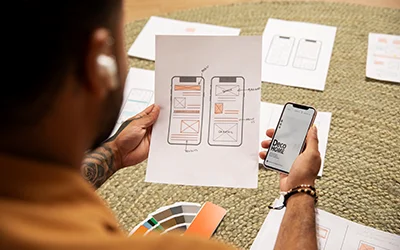
4. Design the UI/UX: A best home maintenance app must offer an intuitive, easy-to-navigate user interface. Users should find booking services, making payments, and tracking service providers seamless.
5. Develop Essential Features: Start with core features like registration, service listings, booking system, secure payments, and customer feedback. You can later add advanced features like in-app chat, loyalty programs, and real-time GPS tracking.
6. Focus on Backend Development: The backend must be robust enough to manage large volumes of users, service requests, transactions, and real-time updates.
7. Prioritize Security: Data protection is essential. Integrate secure login methods, encrypted payment processing, and ensure compliance with privacy regulations.
8. Test Extensively: Conduct thorough testing for functionality, security, usability, and performance to deliver a bug-free experience.
9. Launch and Promote: Develop a marketing strategy to promote your home maintenance app like Fanni through social media, app stores, SEO, and partnerships.
10. Post-Launch Support: Gather user feedback and continuously improve the app through regular updates and feature enhancements.
How Much Does It Cost to Develop a Home Maintenance App Like Fanni?
The cost to develop a home service app like Fanni depends on several factors, including app complexity, the development platform, the number of features, and the development team’s location.
Here’s a general cost breakdown:
Basic App: $10,000 to $25,000
Moderately Complex App: $25,000 to $50,000
Advanced App with Custom Features: $50,000 to $100,000+
Conclusion
The success of the Fanni app shows that many people now prefer using home maintenance apps to manage their home repairs and services quickly and easily. If you want to develop a home service app like Fanni, it is important to focus on simple navigation, reliable service providers, secure payments, and a smooth user experience. Whether you plan to create a home maintenance app free or a paid version, your main goal should be to offer useful, fast, and trustworthy services. Investing in home maintenance app development is a smart step if you want to grow in the home services market.
With the right features and careful planning, you can build one of the best apps for home maintenance and make your app as successful as the Fanni app.