
How to Build a Vehicle Maintenance App: A Complete Guide
April 03,
12:45 PM
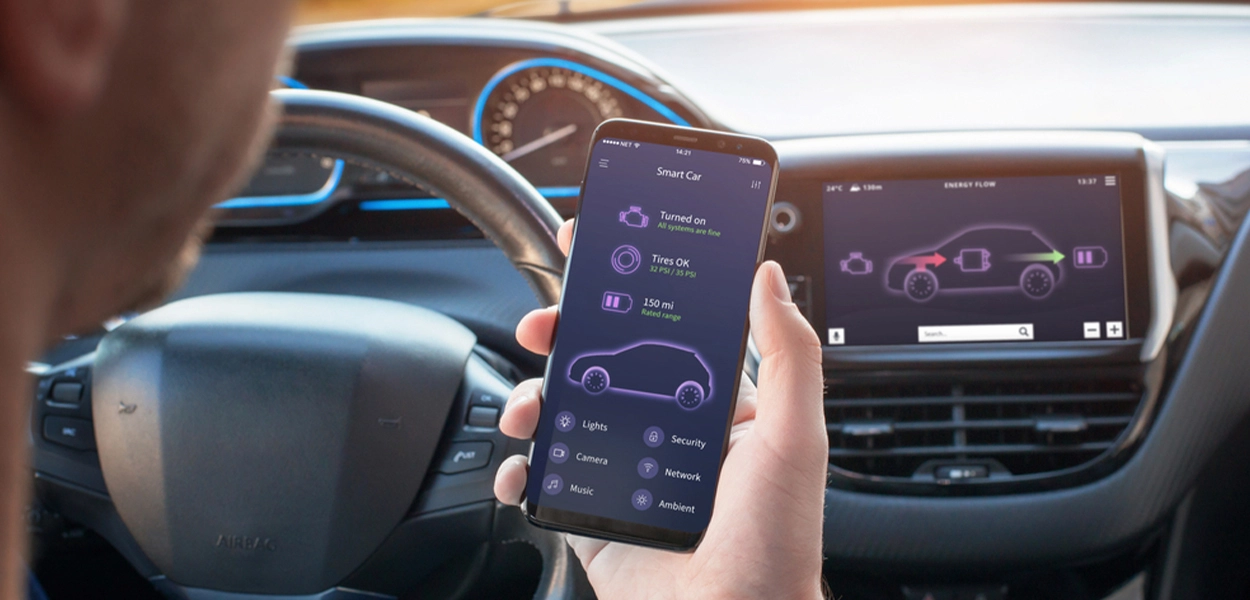
The demand for vehicle maintenance apps has increased significantly as car owners and businesses look for more efficient ways to manage their vehicles. A well-designed app can help users track maintenance schedules, receive service reminders, monitor fuel expenses, and access real-time diagnostics. With advancements in automotive app development, businesses can now offer smart solutions that integrate with IoT, cloud computing, and AI to improve vehicle management. This guide will walk you through the steps to build a mobile app for vehicle maintenance and address the challenges developers face.
Understanding the Importance of a Vehicle Maintenance App
A vehicle maintenance app plays a crucial role in helping individuals and businesses manage their vehicles more efficiently. These apps provide timely service reminders, ensure proper vehicle upkeep, and help reduce repair costs by preventing major breakdowns. For businesses with fleets, vehicle management software is essential in optimizing operations, reducing fuel wastage, and ensuring timely servicing. The key benefits include:
Preventive Maintenance: Scheduled reminders for oil changes, tire rotations, and other routine services.
Cost Tracking: Helps users log and analyze maintenance and fuel expenses.
Improved Vehicle Longevity: Regular servicing improves the lifespan and performance of vehicles.
Business Efficiency: Fleet management companies can streamline vehicle tracking, scheduling, and budgeting with vehicle maintenance software for businesses.
Essential Features of a Vehicle Maintenance App
To develop one of the best vehicle maintenance apps, integrating essential features that enhance user experience and provide value is necessary. Here are some core features to consider:
1. User Registration and Profile Management
Users should be able to create an account and input vehicle details such as make, model, year, and mileage. This feature should support multiple vehicle registrations under a single account for users with more than one vehicle.
2. Service and Maintenance Tracking
An efficient mobile app for vehicle maintenance should provide automated reminders based on mileage, engine hours, or specific time intervals. Users should receive alerts for oil changes, tire replacements, and scheduled inspections.
3. Fuel Expense and Cost Management
To help users track fuel efficiency, an expense management feature should allow them to log fuel purchases, monitor average fuel consumption, and analyze trends to optimize costs.
4. Real-Time Diagnostics and Alerts
For advanced functionality, integrating IoT-based sensors or On-Board Diagnostics (OBD) can help detect vehicle issues and notify users about potential breakdowns before they occur.
5. Emergency Assistance and Roadside Support
Providing an emergency contact feature that connects users with towing services, mechanics, and insurance providers can improve user trust and reliability.
6. Cloud-Based Data Storage
A smart vehicle maintenance solution should include cloud storage to back up maintenance history, service records, and expense logs. This ensures users can retrieve their data even if they switch devices.
7. Integration with Vehicle Management Software for Businesses
For businesses managing fleets, integrating with vehicle management software allows seamless tracking, reporting, and operational insights. Features like driver logs, automated reporting, and GPS tracking can be highly beneficial.
Challenges to Build a Vehicle Maintenance App
Developing a vehicle maintenance app involves several technical and strategic challenges. Here are some of the key challenges and their solutions:
1. Data Accuracy and Integration
Ensuring accurate data collection from various vehicle models, brands, and sensors can be complex. Using APIs, third-party integrations, and real-time OBD-II connectivity can help improve accuracy and efficiency.
2. User Engagement and Retention
Many apps face issues with user retention as users may download but not actively use them. To keep users engaged, adding features like gamification (reward systems for timely maintenance), push notifications, and easy-to-use dashboards can help.
3. Security Concerns
With sensitive vehicle and user data being stored, security becomes a primary concern. Implementing encryption, multi-factor authentication, and GDPR-compliant data protection measures can ensure data security.
4. Scalability and Performance
As the user base grows, managing large amounts of data and ensuring smooth app performance can become a challenge. Choosing scalable cloud services and optimizing the backend architecture can help maintain performance.
5. Compliance with Regulations
Automotive and data protection laws vary across different regions. Ensuring the app complies with legal standards such as GDPR, CCPA, and automotive industry regulations is crucial for smooth operations.
Steps to Build a Vehicle Maintenance App
Step 1: Market Research and Competitor Analysis
Before starting development, research the market demand for best vehicle maintenance apps and analyze competitor offerings to identify gaps and opportunities.
Step 2: Define Features and Functionality
Based on user needs, finalize the key functionalities your app will offer. Whether targeting individual users or businesses, ensure that the app provides value.
Step 3: Choose the Right Technology Stack
The choice of technology stack plays a crucial role in the app's performance and scalability. Commonly used technologies include:
Frontend Development: Flutter, React Native, or Swift/Kotlin for native development.
Backend Development: Node.js, Python, or Java with cloud solutions like AWS or Firebase.
Database: PostgreSQL, Firebase, or MongoDB for efficient data management.
Step 4: UI/UX Design
A user-friendly design with an intuitive interface ensures a seamless experience. Focus on easy navigation, clear dashboards, and simple data entry forms.
Step 5: App Development and Feature Integration
The development phase involves coding the app’s core features, integrating APIs, and implementing cloud-based storage and security measures.
Step 6: Testing and Quality Assurance
Thorough testing is essential to ensure the app is free from bugs and security vulnerabilities. Conduct usability testing, performance testing, and security assessments.
Step 7: Deployment and Marketing
Once testing is complete, launch the app on Google Play and the App Store. Marketing strategies such as social media promotions, SEO, and partnerships with automotive businesses can help gain traction.
Step 8: Continuous Improvement and Updates
Gather user feedback, analyze usage patterns, and introduce updates with new features and enhancements to keep the app relevant and efficient.
Conclusion
Developing a vehicle maintenance app requires careful planning, the right technology, and a focus on user experience. Whether targeting individual car owners or businesses needing vehicle maintenance software for businesses, investing in smart vehicle maintenance solutions can provide long-term benefits. PerfectionGeeks Technologies specializes in automotive app development, providing customized solutions tailored to your business needs. Get in touch with us today to bring your vehicle maintenance app idea to life!






Contact US!
India

Plot 378-379, Udyog Vihar Phase 4 Rd, near Nokia building, Electronic City, Phase IV, Sector 19, Gurugram, Haryana 122015



Copyright © 2026 PerfectionGeeks Technologies | All Rights Reserved | Policy