How to Build a Home Services App Like UrbanClap?
April 14,
11:15 AM
The home services market has seen a significant transformation in recent years. Thanks to platforms like UrbanClap (now Urban Company), customers can easily access a variety of home services, from plumbing to beauty treatments, through a mobile app. If you're considering launching your own home services app development venture or looking for apps like Urban Company or apps similar to Urban Company, this blog will guide you through the process of building an app like UrbanClap and provide insights into the UrbanClap business model.
Understanding the UrbanClap Business Model
Before diving into the technical aspects of home services app development, it's essential to understand the UrbanClap business model. The platform acts as an intermediary between service professionals and customers. It allows users to book home services like cleaning, electrical work, and beauty services, while providing professionals with a platform to expand their reach.
Key features of the UrbanClap home services model include:
User-Friendly Interface: Customers can easily browse available services, check pricing, and book appointments.
Service Provider Dashboard: Professionals can manage their schedules, service requests, and payments.
Customer Ratings and Reviews: Both service providers and customers can rate their experiences.
Payment Integration: Secure online payments, including wallet options and credit card processing.
Geolocation: The app uses GPS to locate nearby service providers and match them with customers.
By building a home services app like UrbanClap, you can adopt a similar business model and capitalize on the growing demand for home services.
Key Features to Include in Your Home Services App
When you plan to build an app like UrbanClap, certain features are crucial to ensure its success. Here are the essential features you must consider for your UrbanClap clone app:
1. User Registration and Profiles
Allow users to create personal profiles where they can save their service preferences, payment information, and booking history.
2. Service Categories
Offer a wide range of services that users can browse. Categorize them (plumbing, beauty, cleaning, etc.) for easy navigation.
3. Search and Filter Options
Implement search functionality where users can find services based on location, service type, ratings, and price.
4. Real-Time Booking System
Enable customers to book services in real time and choose from available time slots. Include instant confirmation for seamless user experience.
5. Ratings and Reviews
Integrate a ratings and review system to build trust and transparency. Customers should be able to rate service providers and leave feedback.
6. GPS Integration
Incorporate GPS features to match customers with the closest available service providers. This helps users get timely service.
7. Payment Gateway Integration
Ensure the app supports multiple payment options such as credit cards, wallets, and cash on delivery. This provides customers with flexibility.
8. Admin Dashboard
An admin panel is essential for managing the platform. The admin should be able to oversee service providers, monitor transactions, and manage disputes.
How to Monetize Your Home Services App
Monetization is a critical part of any app’s success. If you’re planning to build home services app similar to UrbanClap, you need to ensure that the app generates revenue. Below are the popular monetization strategies for your UrbanClap clone app:
1. Commission on Transactions: Charge a commission from service providers for every successful booking made through the platform. This is the primary revenue stream for most apps like UrbanClap.
2. Subscription Plans: Offer premium subscription plans to service providers who want to get more visibility and access to exclusive features.
3. Service Fee: A small service fee can be charged to users for booking services through the platform. You can charge a fixed fee or a percentage of the total transaction amount.
4. Advertisement: Incorporate advertising within the app to generate additional revenue. Sponsored listings can also be a part of the revenue model, where service providers pay to appear at the top of search results.
5. Freemium Model: Offer basic services for free but charge for premium features like on-demand booking, express service, or premium service providers.
UrbanClap Alternative: Why Build an App Like UrbanClap?
While UrbanClap has grown rapidly, there's still ample opportunity for new entrants in the home services market. An UrbanClap alternative can focus on niche markets, expand service offerings, or provide better user experience, creating a competitive edge.
Here’s why building an app like UrbanClap or UrbanClap clone app makes sense:
Growing Demand for Home Services: With busy lifestyles, people prefer professional help for tasks around the house. There is a huge untapped potential, especially in regions where platforms like UrbanClap aren’t as established.
Convenience for Users: By building a home services app, you offer customers a one-stop solution for various services, which increases the overall convenience.
Empowering Service Providers: You can help local service providers grow their business by connecting them with a larger customer base.
Innovative Monetization Opportunities: Besides the traditional revenue streams, you can integrate unique features and payment options that appeal to a specific market.
How to Build an App Like UrbanClap
Step 1: Define Your Niche and Target Audience
Before diving into development, it’s crucial to define which services you want to offer and your target audience. While apps like UrbanClap cater to a broad range of services, focusing on a specific niche (e.g., beauty, home repair, or cleaning services) can help you differentiate your home services app development from competitors.
Step 2: Choose a Development Platform
Decide whether to go for native apps (iOS and Android) or cross-platform apps. A UrbanClap clone app can be developed for both iOS and Android to ensure maximum reach. Choose the right technology stack that suits your needs.
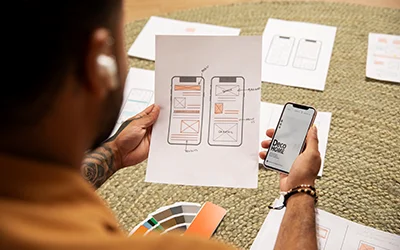
Step 3: Create a User-Centric UI/UX Design
The user interface should be simple, intuitive, and visually appealing. Users should be able to easily navigate through service categories, book appointments, and make payments. A great UI/UX design will ensure your app stands out as one of the best home services app development solutions.
Step 4: Develop and Integrate Key Features
Integrate essential features like service categories, real-time booking, geolocation, payment gateways, and rating systems. You can also include advanced features like AI-powered service recommendations and chat support.
Step 5: Testing and Quality Assurance
Before launching, conduct thorough testing to ensure the app works seamlessly. This includes performance testing, security testing, and user testing.
Step 6: Launch and Marketing
After testing, launch your app on app stores and start marketing. Use SEO, social media marketing, influencer partnerships, and app store optimization to gain visibility.
Conclusion
Building an app like UrbanClap can be a rewarding venture if executed well. The demand for home services is continuously growing, and with the right home services app development approach, your app can attract a wide user base and generate significant revenue. At PerfectionGeeks Technologies, we specialize in building UrbanClap clone apps and custom home services app development solutions tailored to your business needs. Whether you're looking to create a full-fledged home service platform or a niche service provider app, our experienced developers can help you every step of the way.

Contact US!
India

Plot 378-379, Udyog Vihar Phase 4 Rd, near Nokia building, Electronic City, Phase IV, Sector 19, Gurugram, Haryana 122015



Copyright © 2026 PerfectionGeeks Technologies | All Rights Reserved | Policy