Disconnected systems between warehouse, fleet, and finance
Custom ERP Software for Logistics & Supply Chain Built Around Your Operations
PerfectionGeeks builds custom ERP software for logistics and supply chain businesses that need more than generic accounting-led ERP. We combine transport management (TMS), warehouse management (WMS), fleet and driver management, freight costing and billing, inventory, procurement and finance in one platform, with mobile apps for drivers and warehouse staff and real-time dashboards for managers. A focused logistics ERP typically costs $40,000–$100,000; enterprise multi-site platforms $100,000–$300,000+.
Are You Facing These Logistics Challenges?
Running logistics and supply chain operations is no small feat. Many companies struggle with hidden inefficiencies that quietly drain time, money, and customer trust.
Delayed shipment tracking updates
Manual paperwork & dependency on Excel
Inventory mismatches
Poor route planning
No real-time visibility
Revenue leakage due to operational inefficiencies
If your operations still rely on spreadsheets, legacy software, or manual processes, you’re likely losing more money and time than you realize. A custom ERP system built specifically for logistics and supply chain management can help you eliminate these inefficiencies, streamline workflows, and reclaim control over your business operations.
Book Free Consultation
What Inefficient Logistics Systems Are Really Costing You
Most logistics businesses focus on the visible costs — fuel, manpower, vehicles. But the hidden costs of an outdated or generic system quietly drain your bottom line every single day.

Lost clients due to delays
When customers can't get real-time updates on their shipments, they go to a competitor who can provide that transparency.
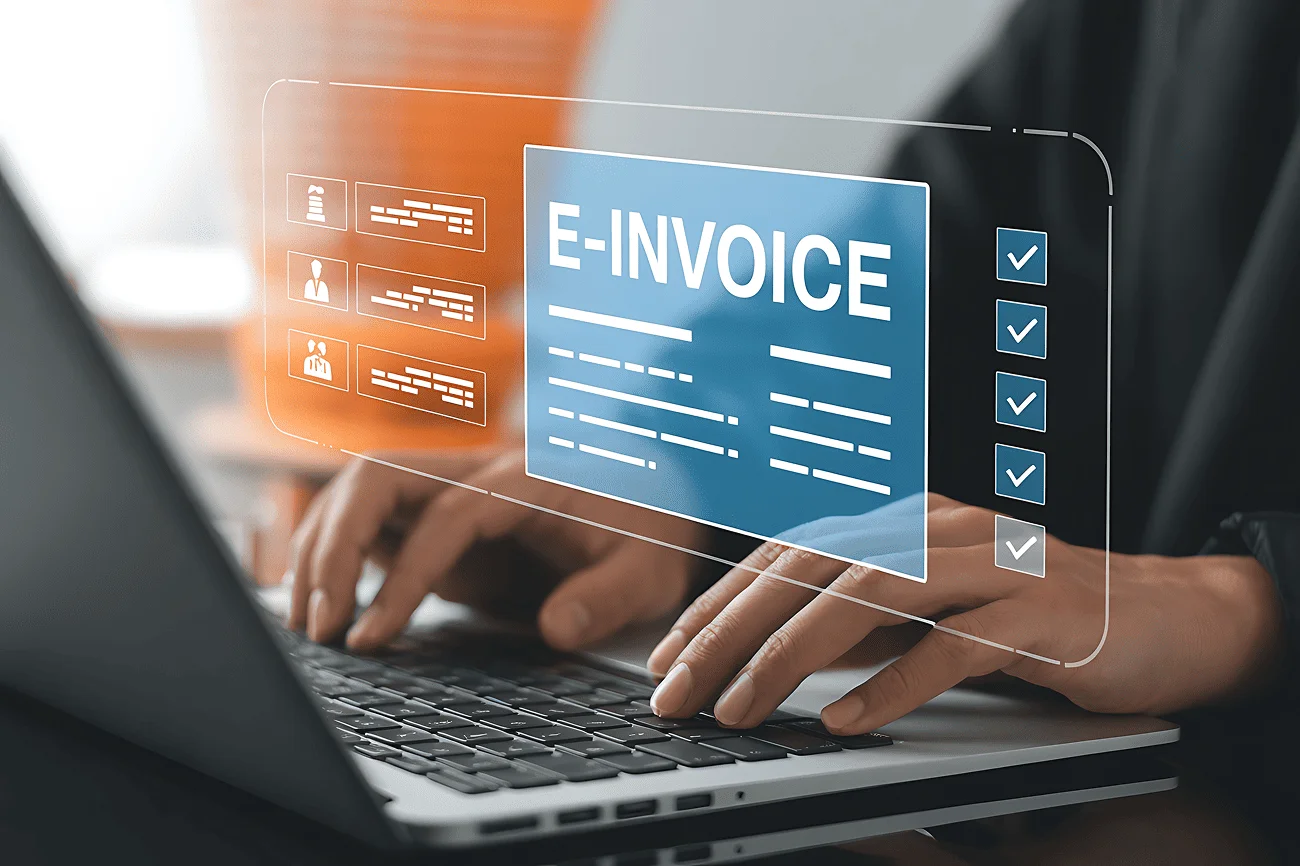
Excess manpower costs
Manual data entry, invoice processing, and report generation eat up hours that skilled staff could spend on higher-value work.
Billing errors and revenue leakage
Without automated invoicing tied to live shipment data, errors slip through — and you're often the one absorbing the loss.

Scaling limitations
Generic software that barely handles your current volume becomes a serious bottleneck the moment you try to grow — new branches, new vehicles, new clients.

Compliance and audit risks
Disconnected data and manual records make audits a nightmare and leave you exposed to compliance penalties.
Companies that adopt a customized ERP system built for logistics reduce operational costs by up to 20–35% within the first year.
Are you ready to streamline your logistics operations and improve supply chain efficiency?
Our ERP specialists help logistics and supply chain companies build fully customized supply chain ERP software tailored to their exact workflows. From fleet management and warehouse tracking to order processing and real-time reporting, we create solutions that improve efficiency, reduce operational costs, and keep your supply chain moving smoothly.
Talk to Our ERP Experts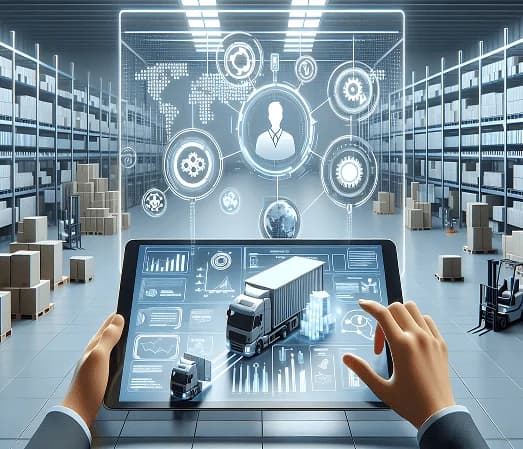
Custom Logistics ERP vs Packaged ERP
Compare packaged ERP platforms with custom logistics ERP to understand the differences in operational fit, contract handling, cost, implementation time, and long-term flexibility.
| Factor | Packaged ERP | Custom Logistics ERP |
|---|---|---|
| Logistics Depth | Strong finance and inventory; TMS, WMS, and fleet features may require additional modules or partners. | Built around trips, loads, vehicles, rate cards, and SLAs from the start. |
| Fit to Client Contracts | Complex rate cards and accessorial charges often require extensive customization. | Rate engines are designed around your actual client contracts and pricing rules. |
| Cost Model | Per-user licenses, implementation partner fees, and upgrade costs. | One-time development cost plus hosting and maintenance, without mandatory per-user licensing fees. |
| Time to Go Live | Typically 3–12 months, depending on customization and implementation scope. | Typically 4–10 months, with phased delivery by module. |
| Flexibility Later | Changes may be limited by the vendor's roadmap and customization options. | Workflows and features can evolve as your logistics operations change. |
| Best For | Businesses with standard processes that prefer an established global ERP vendor. | Logistics-heavy businesses with specialized workflows and unique operational requirements. |
A mid-sized logistics company operating across multiple cities approached PerfectionGeeks to improve its operational efficiency. The company was relying on spreadsheets and disconnected tools, which made it difficult to manage fleet operations, warehouse inventory, and financial processes in one place.
Custom ERP
The Challenge
The company faced several operational issues
- Lack of real-time shipment visibility
- Manual invoice generation leading to billing errors
- Inefficient route planning increasing fuel costs
- Inventory mismatches between warehouses
- Delayed reporting and slow decision-making
These challenges were affecting delivery performance, increasing operational costs, and limiting the company's ability to scale efficiently.

OUR SOLUTION
PerfectionGeeks developed a custom ERP logistics software solution
tailored to the company's workflows. The system included real-time fleet tracking, automated billing, warehouse inventory management, route optimization, and a centralized reporting dashboard. We also integrated the ERP with GPS tracking systems and accounting software to ensure smooth data synchronization.

THE RESULTS
Results Achieved
- 28% reduction in operational costs
- 22% improvement in delivery time
- Significant reduction in billing errors
- Complete operational visibility
- Improved scalability of logistics operations
The new supply chain ERP software provided complete operational visibility and helped the company scale its logistics operations more efficiently.
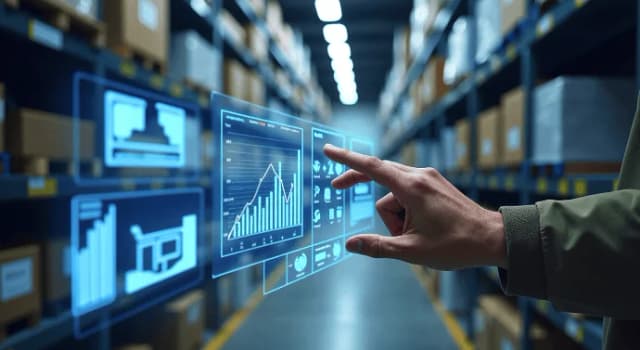
Custom ERP Software Built Specifically for Logistics & Supply Chain
At PerfectionGeeks, we don't take a generic system and dress it up for logistics. We build your ERP logistics software from the ground up — around your workflows, your team structure, and your operational goals.

Our supply chain planning software and logistics ERP solutions are designed to connect every part of your operation — from the warehouse floor to the finance team — into one intelligent, unified system.
Core Modules We Build:
Captures orders from customer portals, EDI, email, and APIs. It helps plan shipments, consolidate loads, and track deliveries end to end for better visibility and coordination.
Streamlines transportation operations through route and load planning, carrier selection, trip sheet management, and proof of delivery. It also supports freight audits and helps improve delivery efficiency.
Manages warehouse operations, including inbound handling, putaway, bin locations, picking, packing, and dispatch. It improves stock accuracy and supports efficient warehouse workflows.
Centralizes vehicle and driver information, maintenance schedules, fuel and tyre tracking, and driver documentation. It helps monitor fleet performance, duty hours, and telematics data.
Automates freight calculations using client-specific rate cards, fuel surcharges, detention fees, and additional service charges. It simplifies invoicing and credit note generation while reducing billing errors.
Provides visibility into stock across multiple warehouses and automates procurement workflows. It supports reorder points, purchase orders, vendor management, and landed cost tracking.
Simplifies financial operations with centralized ledgers, receivables, payables, and tax management. It supports GST or VAT, multi-currency transactions, and integration with accounting platforms.
Provides dedicated portals for customers, carriers, and agents to manage bookings, track shipments, access documents, view invoices, and raise service tickets.
Organizes staff and driver records while simplifying attendance, shift planning, and payroll-related workflows. It helps logistics businesses manage workforce information efficiently.
Results our clients actually see
We don't just implement systems — we deliver measurable outcomes.
30–45%
Reduction in manual data entry across procurement workflows
2×
Faster purchase order processing from requisition to approval
99.8%
Inventory accuracy achieved through automated stock tracking
Industries We Serve
We deliver ERP solutions tailored for:
⚙️

🔬

🏭

🍶

⚙️

🔬
01
Logistics Companies & Freight Operators
PerfectionGeeks specializes in developing ERP solutions tailored specifically for logistics and freight operations, ensuring your unique operational needs are fully understood and addressed.
02
3PL and 4PL Providers
We prioritize safeguarding your sensitive data through robust security measures, ensuring your information remains protected and reliable at all times across your third-party logistics operations.
03
Warehousing & Distribution Centers
Our ERP systems are built to grow with your warehouse operations. Whether you're a small facility or a large distribution center, we deliver flexible software that adapts to your evolving requirements.
04
Courier & Delivery Services
Beyond software, we commit to your success with a tailored approach — helping you optimize last-mile delivery and improve customer satisfaction across your courier operations.
05
Manufacturing Supply Chains
Stay connected anytime, anywhere. Our erp solutions provide smooth access across both mobile and web platforms, empowering your supply chain team with real-time data and control on the go.
06
Retail Supply Chains
Beyond software, we commit to your success with ongoing support and a partnership approach — helping you optimize retail supply chain operations and achieve sustained growth.
Our Simple 5-Step Logistics ERP Development Process
Investing in custom ERP software for supply chain companies or ERP software for logistics companies can seem like a complex commitment. At PerfectionGeeks, we’ve designed a transparent and collaborative ERP development process that minimizes disruption to your daily operations while delivering a solution tailored to your business.
STAGE 01
Step 1 — Business Process Analysis
We begin by thoroughly analyzing your current workflows, operational challenges, and business goals. Every department and process is studied in detail to ensure the ERP logistics software we build addresses your unique pain points.

Connected logistics ERP
Seamless Integrations Across Your Logistics Ecosystem
Your logistics operations don't run on a single system, and your ERP shouldn't either.
Our solution is built to connect, sync, and streamline every tool you already use.
01
Transportation Management Systems
Integrate with leading TMS platforms to manage planning, execution, and freight visibility.
- Oracle Transportation Management
- SAP Transportation Management
02
Warehouse Management Systems
Ensure real-time coordination between warehouse operations and logistics.
- Manhattan Associates
- HighJump WMS
- SAP Extended Warehouse Management
03
Carrier & Shipping APIs
Automate shipment booking, tracking, and delivery updates with major logistics providers.
- FedEx
- UPS
- DHL
- Blue Dart
04
E-commerce Platforms
Sync orders, inventory, and delivery workflows directly from your online stores.
- Shopify
- Magento
- WooCommerce
05
Accounting & Finance Systems
Keep billing, invoicing, and financial data aligned with operations.
- Tally
- QuickBooks
- SAP FICO
06
IoT & Smart Tracking Systems
Connect physical operations with real-time data from fleets, warehouses, and sensitive shipments.
- Fleet tracking & GPS systems
- Warehouse temperature & condition monitoring
- Sensor-based alerts for sensitive shipments
Logistics ERP Pricing for Businesses
Logistics ERP development costs depend on the modules, operational complexity, number of locations, integrations, and level of automation required.
Multi-Site Platform
For growing logistics companies managing multiple sites, fleets, warehouses, and integrations.
Build Your Logistics PlatformWhat's included:
- Transport and warehouse management (TMS/WMS)
- Fleet and freight billing management
- Inventory and customer or partner portals
- Third-party system integrations
- Estimated cost: $100,000–$200,000
- INR estimate: ₹85 lakh–₹1.7 crore
- Timeline: 6–10 months
Technology Stack We Use
01 / 01
01 / 01
01 / 01

The Future of Logistics Is Data-Driven — Are You Ready?
The logistics and supply chain management industry is changing faster than most businesses can keep up with. Companies winning market share right now aren't just working harder — they're powered by intelligent supply chain planning software and ERP for logistics industry systems that give them real, measurable advantages.
Forecast demand, prevent delays, optimize operations proactively.
Connect assets in real time for complete operational visibility.
Reduce errors, speed processes, handle higher warehouse volumes.
Make data-driven decisions with real-time insights and reporting.
AI & Predictive Analytics
Forecast demand, prevent delays, optimize operations proactively.
Connect assets in real time for complete operational visibility.
Smart Warehousing & Automation
Reduce errors, speed processes, handle higher warehouse volumes.
Real-Time Data & Reporting
Make data-driven decisions with real-time insights and reporting.
If your competitors are already investing in intelligent supply chain ERP software and you're not — the gap between you and them is growing every single day.
Frequently Asked Questions
Everything you need to know about working with PerfectionGeeks Technologies. Can't find an answer? Reach out to us.
A logistics ERP is an enterprise resource planning system built for logistics and supply chain businesses. It combines order management, transportation, warehousing, fleet operations, freight billing, inventory, and finance in one integrated platform.
A focused logistics ERP typically costs $40,000–$100,000, a multi-site platform costs $100,000–$200,000, and an enterprise supply chain ERP can cost $200,000–$300,000 or more. Final pricing depends on modules, integrations, users, and implementation complexity.
A focused logistics ERP typically takes 4–7 months to develop, while larger multi-site and enterprise platforms can take 6–18 months. Phased delivery allows essential modules to go live earlier while additional functionality is developed.
Custom ERP is suitable for logistics businesses with complex rate cards, service-level agreements, and unique operational workflows. SAP and Odoo can work well for standard processes, although additional logistics modules or customizations may be required.
Yes. We can integrate logistics ERP systems with Tally, SAP, QuickBooks, Zoho Books, and other accounting platforms. Alternatively, we can develop an integrated finance module to manage accounting within one system.
Yes. For Indian logistics operations, we can integrate the ERP with applicable GST e-invoicing and e-way bill systems to automate document generation, validation, and related workflows.
Yes. We develop mobile applications with offline capabilities for logistics teams. Drivers can manage trips and proof of delivery, while warehouse staff can handle barcode scanning, picking, packing, and inspections.
Yes. We can connect GPS devices and telematics platforms to provide live vehicle tracking and visibility into idling, fuel consumption, driver behaviour, and fleet performance.
A logistics ERP can include AI-powered demand forecasting, route and load optimization, predictive vehicle maintenance, automated document reading, and estimated time of arrival (ETA) prediction.
Yes. Custom logistics ERP can support multiple legal entities, branches, currencies, tax systems, and languages, allowing businesses to manage operations across different regions and countries.
You own the custom ERP software and its business data. You receive the agreed source code and ownership rights, with deployment options on your preferred cloud infrastructure or on-premise environment.
Yes. We provide post-launch support through monthly maintenance plans covering system monitoring, bug fixes, security updates, performance improvements, and new feature development.