Published 11 June 2026 | Updated 16 June 2026
Fintech Real Estate Solutions
How to Start a Real Estate Crowdfunding Platform
In recent years, the real estate crowdfunding platform has emerged as a transformative solution for investors seeking to diversify their portfolios. This innovative approach allows multiple investors to pool their resources and invest in various real estate projects, making property investment more accessible than ever. By leveraging fractional ownership models, investors can engage with the real estate market without the need for substantial capital upfront. However, launching a successful real estate crowdfunding platform requires careful planning, adherence to compliance regulations, and an understanding of investment workflows tailored for a smooth user experience. In this guide, we'll explore the core concepts necessary to start your own real estate crowdfunding platform.
Transform Your Digital Experience
To start a real estate crowdfunding platform, focus on compliance, effective investment workflows, and the implementation of fractional ownership models to attract investors and streamline property investments.
- Real estate crowdfunding platform offers a modern solution for property investment.
- Investors can utilize fractional ownership models to diversify their portfolios.
- Compliance with financial regulations is crucial for real estate fintech apps.
- Investment workflows must be streamlined for user-friendly experiences.
- Effective crowdfunding investment software maximizes investor engagement.
- A well-structured real estate marketplace attracts potential investors.
- Researching existing platforms can provide insights into successful practices.
- Building a community around your platform enhances trust and credibility.
What is Real Estate Crowdfunding?
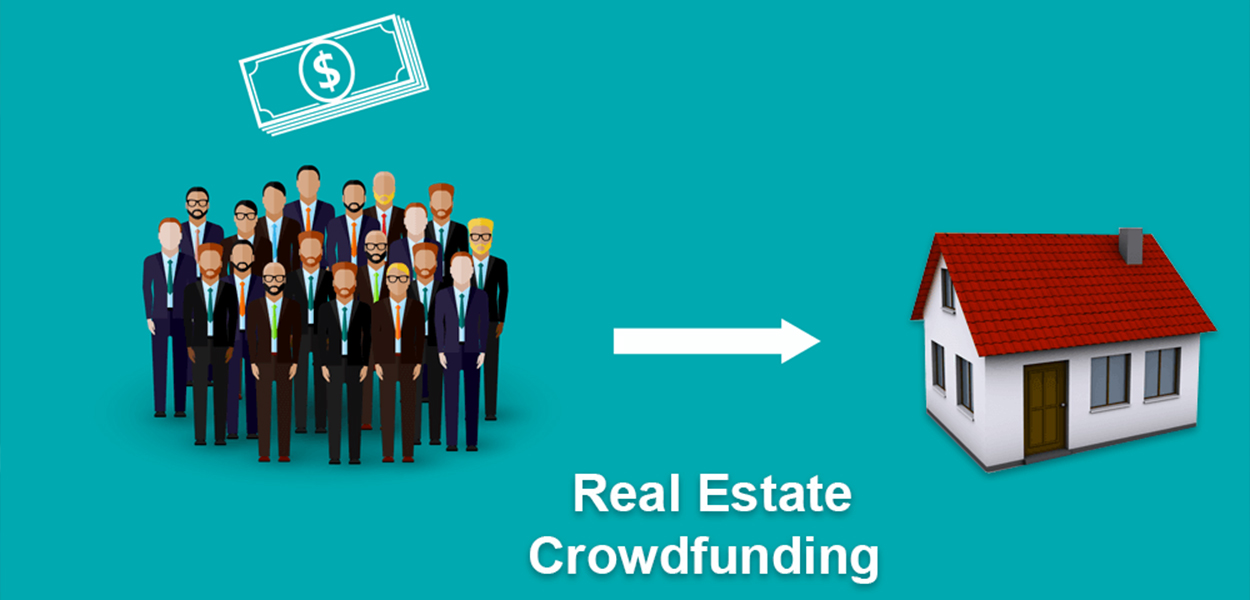
Real estate crowdfunding refers to the process of raising funds for real estate projects through the collective contributions of numerous investors, typically facilitated via an online platform. This model democratizes property investment, allowing individuals to invest in real estate with relatively small amounts of money, thereby reducing the barrier to entry. By pooling funds, investors can participate in larger projects that might otherwise be unattainable, such as commercial properties or residential developments.
How Crowdfunding Platforms Work
Real estate crowdfunding platforms operate by connecting project developers seeking capital with individual investors looking for opportunities. The process generally involves the following steps:
- Project Listing: Developers submit their projects to the platform, providing details about the property, investment terms, and projected returns.
- Investor Engagement: Investors browse available projects, assessing potential investments based on their risk appetite and financial goals.
- Funding: Once investors decide to participate, they contribute funds, which are pooled together for the project.
- Management and Returns: The platform manages the investment, distributing returns to investors according to the agreed-upon terms.
Business Model Overview
The business model of a real estate crowdfunding platform can vary, but it often encompasses three primary revenue streams:
- Fees from Developers: Platforms typically charge developers a fee for listing their projects and managing the investment process.
- Transaction Fees: A percentage of the funds raised may be charged as a transaction fee, paid by either the investors or developers.
- Management Fees: Ongoing management fees can be applied to maintain the project and handle investor relations.
Core Features of Investment Platforms
Successful real estate crowdfunding platforms share several key features that enhance user experience and ensure efficient operations:
- User-Friendly Interface: A straightforward and intuitive design helps investors navigate projects easily.
- Robust Analytics Tools: Data-driven insights allow investors to make informed decisions based on market trends and performance metrics.
- Secure Payment Systems: Implementing secure payment gateways protects sensitive financial information and builds trust with users.
- Regulatory Compliance: Ensuring adherence to local and national laws is vital for operational legitimacy.
Legal and Compliance Requirements
Starting a real estate crowdfunding platform involves navigating complex legal landscapes. Key considerations include:
- Securities Regulations: Understanding the implications of selling investment shares, which may classify as securities, is essential. Compliance with relevant regulations, such as those set by the Securities and Exchange Commission (SEC), is mandatory.
- Licensing: Depending on your jurisdiction, you may need specific licenses to operate a crowdfunding platform.
- Due Diligence: Conducting thorough background checks on project developers and properties is crucial to mitigate risks and protect investors.
Payment and Investment Flow
The payment and investment flow on a real estate crowdfunding platform typically follows these stages:
- Investor Registration: Investors create accounts and verify their identities, often undergoing KYC (Know Your Customer) checks.
- Funds Transfer: Investors transfer money into their accounts on the platform.
- Investment Selection: Investors choose projects and confirm their investment amounts.
- Fund Disbursement: Once funding goals are met, the platform disburses funds to the project developer.
Challenges in Real Estate Platforms
While real estate crowdfunding platforms offer exciting opportunities, they also face various challenges:
- Market Competition: The growing popularity of crowdfunding has led to increased competition among platforms, necessitating differentiation.
- Investor Education: Many potential investors may lack knowledge about real estate investment, making education a crucial component of your platform.
- Trust and Transparency: Building a reputation for trustworthiness is paramount, as investors must feel confident in the platform's operations.
Future of Property Investment Tech
The future of property investment technology is promising, with advancements in blockchain, artificial intelligence, and data analytics likely to reshape the landscape. Blockchain could enhance transparency and security, streamlining transactions while reducing fraud risks. AI-driven analytics may provide deeper insights into market trends, enabling better investment decisions. As technology continues to evolve, real estate crowdfunding platforms will need to adapt to maintain relevance and meet the changing needs of investors.
| Platform Feature | Importance | Example |
|---|---|---|
| User-Friendly Interface | Enhances user experience | Fundrise |
| Robust Analytics Tools | Informs investment decisions | RealtyMogul |
| Regulatory Compliance | Ensures legal operations | Patch of Land |
Decision Guide
When contemplating the launch of a real estate crowdfunding platform, consider the following framework:
- Choose a technology provider with a proven track record if: You require robust, secure systems to handle transactions and data management.
- Choose a model focusing on niche markets if: You want to differentiate yourself in a crowded landscape.
- Choose to partner with established developers if: You seek credibility and a head start in the market.
Frequently Asked Questions
Quick answers related to this article from PerfectionGeeks.
1. What is a real estate crowdfunding platform and how does it work?
2. What legal considerations are involved in starting a real estate crowdfunding platform?
3. How can I ensure compliance for my real estate crowdfunding platform?
4. What technology is essential for developing a successful real estate crowdfunding platform?
5. What steps are involved in the development process of a real estate crowdfunding platform?
Conclusion
In conclusion, establishing a real estate crowdfunding platform is a multifaceted endeavor that involves careful planning and execution. To achieve success, consider the following:
- Understand compliance: Research local and national regulations to ensure your platform operates legally.
- Choose the right technology: Invest in crowdfunding investment software that supports efficient investment workflows.
- Engage your audience: Build a community around your platform to foster trust and encourage participation.
- Optimize your platform: Ensure the user interface is intuitive for both investors and property owners.
- Monitor industry trends: Stay updated on the latest developments in real estate fintech to remain competitive.
Ultimately, choose a path that aligns with your business goals and the needs of your target audience. Choose to integrate robust technology if you aim for scalability. Choose to prioritize compliance if you seek investor confidence.

Shrey Bhardwaj is the Director & Founder of PerfectionGeeks Technologies, bringing extensive experience in software development and digital innovation. His expertise spans mobile app development, custom software solutions, UI/UX design, and emerging technologies such as Artificial Intelligence and Blockchain. Known for delivering scalable, secure, and high-performance digital products, Shrey helps startups and enterprises achieve sustainable growth. His strategic leadership and client-centric approach empower businesses to streamline operations, enhance user experience, and maximize long-term ROI through technology-driven solutions.