10 Game-Changing Applications of Computer Vision in Retail
March 10,
11:55 AM
The retail industry is evolving fast, with technology playing a big role. One of the most powerful innovations is computer vision in retail. This AI-driven technology helps businesses track inventory, prevent theft, and improve customer experiences. Retailers are now using AI-powered retail solutions to automate stores, analyze customer behavior, and reduce losses. In this blog, we explore 10 ways computer vision technology is changing the retail industry.
What is Computer Vision in Retail?
Computer vision in retail refers to the use of AI-powered image processing and machine learning to analyze visual data and automate retail operations. This technology helps retailers track inventory, analyze customer behavior, prevent theft, and improve store efficiency.
Benefits of Computer Vision for Retailers
Retailers leveraging computer vision technology gain multiple benefits, including:
- Reduced operational costs through automation
- Improved security with visionworks tracking and loss prevention
- Enhanced customer experiences with personalized shopping
- Accurate stock monitoring using visual recognition systems for retail product tracking
- Faster checkout and queue management
10 Game-Changing Applications of Computer Vision in Retail
1. Retail Store Automation with Computer Vision
Retailers are embracing retail store automation with computer vision to streamline operations. AI-powered cameras and sensors automate tasks like inventory tracking, self-checkout, and shelf monitoring. Amazon Go is a prime example of a cashier-less store that uses this technology to eliminate long queues.
2. Computer Vision Technology for Reducing Retail Shrinkage
Retail shrinkage due to theft, fraud, and human errors costs businesses billions annually. Computer vision technology for reducing retail shrinkage helps monitor store activity, detect suspicious behavior, and prevent shoplifting. AI-powered surveillance systems and self-checkout fraud detection significantly improve loss prevention.
3. Customer Behavior Analysis with Computer Vision
Understanding customer preferences is crucial for improving sales. Customer behavior analysis with computer vision allows retailers to track shopper movements, engagement with displays, and in-store dwell time. This data helps optimize store layouts and enhance marketing strategies.
4. Visual Recognition Systems for Retail Product Tracking
Keeping track of inventory is a challenge for many retailers. Visual recognition systems for retail product tracking use AI-powered cameras to monitor stock levels in real time, ensuring shelves are never empty and misplaced items are identified instantly.
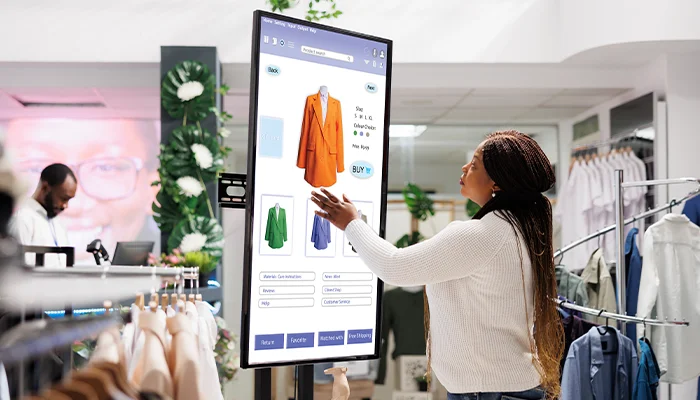
5. AI-Powered Retail Solutions for Personalized Shopping
Retailers are increasingly using AI-powered retail solutions to provide personalized recommendations based on customer preferences. This technology enables in-store smart displays and mobile apps to suggest products, enhancing customer engagement and boosting sales.
6. VisionWorks Tracking for Smart Checkout
Self-checkout stations can experience fraud and human errors. VisionWorks tracking enhances self-checkout by recognizing products, verifying scans, and ensuring accurate transactions, reducing losses and improving efficiency.
7. Dynamic Pricing and Digital Labeling
With fluctuating market demands, retailers need an agile pricing strategy. Computer vision enables dynamic pricing by analyzing competitor pricing, stock availability, and demand patterns, ensuring real-time price updates.
8. AI-Powered Shelf Management
Empty shelves can lead to lost sales. AI-driven cameras monitor shelves and send automatic restocking alerts to store staff, ensuring optimal inventory availability.
9. Queue Management and Customer Assistance
Long checkout lines lead to poor customer experiences. Computer vision helps manage queues by analyzing real-time customer flow and dynamically opening additional counters when necessary.
10. Facial Recognition for Security and Loyalty Programs
Facial recognition powered by computer vision in the retail industry enhances security by identifying known shoplifters and fraudsters. Additionally, it can be used for loyalty programs, allowing customers to check out seamlessly without needing physical cards.
Challenges in Implementing Computer Vision in Retail
While the benefits are significant, implementing computer vision technology in retail comes with challenges, including:
High initial investment in AI infrastructure
Privacy concerns regarding facial recognition and customer tracking
Integration complexity with existing retail management systems
The Future of Computer Vision in Retail
As AI advances, we can expect even more sophisticated AI-powered retail solutions that will further automate processes, improve customer experiences, and increase efficiency. Emerging trends include:
Smart shopping carts with real-time scanning
AI-driven personalized in-store navigation
Augmented reality (AR) for virtual product trials
Why Choose PerfectionGeeks for AI-Powered Retail Solutions?
At PerfectionGeeks Technologies, we specialize in delivering cutting-edge computer vision in retail solutions. Our expertise in visual recognition systems for retail product tracking, computer retail automation, and AI-powered customer analysis makes us the ideal partner for businesses looking to optimize their retail operations.
Our solutions help retailers:
- Reduce shrinkage with computer vision technology for reducing retail shrinkage
- Automate store operations with retail store automation with computer vision
- Improve customer experience through customer behavior analysis with computer vision
Conclusion
Computer vision in retail is transforming how businesses operate. From visionworks tracking for security to AI-powered retail solutions for automation, this technology enhances efficiency and customer experiences. If you're ready to integrate computer vision technology, PerfectionGeeks Technologies can help you build customized AI solutions.