Web Development Services & CustomWeb Application Development
Your website should help customers discover your services, understand your value, and take action. PerfectionGeeks Technologies builds custom websites, web applications, SaaS platforms, and eCommerce solutions for startups, SMEs, and enterprises.
We combine user-focused design, modern frameworks, secure integrations, and search-friendly architecture to build digital products around real business needs in Delhi NCR, India, and international markets.

SEO, Performance & UX
Web Development Solutions for Businesses in Delhi NCR and Beyond
PerfectionGeeks works with startups, established businesses, and enterprise teams in Delhi NCR and across India, the USA, the UK, and other international markets. Each web solution is tailored to the business model, existing systems, and project requirements.

For Startups
Launch an MVP, test a product idea, validate customer demand, or build the first version of a SaaS platform without unnecessary features.

For Growing Businesses
Improve an existing website, introduce online sales, automate repetitive processes, or connect customer-facing applications with internal systems.

For Enterprises
Modernize legacy applications, integrate multiple platforms, improve reporting, and develop secure systems around complex workflows.
From MVPs and online sales to enterprise modernization, our engagement can include discovery, UX planning, development, testing, deployment, and post-launch improvements.
Full-Cycle Web Engineering
Web Development Services for Startups, SMEs, and Enterprises

Custom Website Development
Build a professional website around your brand, audience, and business goals:
• Business, corporate and lead-generation websites
• Custom CMS and conversion-focused landing pages
• Responsive design, accessible navigation and clear CTAs
• Website redesign and modernization
• Technical SEO foundations and performance improvements
Web Application Development
Bring customers, employees and business workflows into one digital environment:
• Customer and employee portals
• SaaS platforms, dashboards and reporting
• Booking, scheduling and procurement workflows
• Real-time tracking and monitoring interfaces
• Role-based accounts, APIs and third-party integrations
Frontend Development
Create responsive and accessible interfaces across browsers and devices:
• React.js, Next.js, Angular and Vue.js
• HTML5, CSS3, JavaScript and TypeScript
• Reusable UI components and design systems
• Responsive layouts and accessibility improvements
• Frontend performance optimization

Backend Development

eCommerce Website and Platform Development
Simplify product discovery, checkout and order fulfillment:
• Shopify, WooCommerce and Magento
• Custom stores and multi-vendor marketplaces
• Product catalogs, search and promotions
• Payment gateways and customer accounts
• Inventory, orders, shipping and analytics

SaaS Product Development
Build a SaaS product that can evolve with customer demand:
• MVP planning and product validation
• Multi-tenant architecture and account management
• Subscription billing and user onboarding
• Admin dashboards, analytics and API integrations
• Cloud deployment, monitoring and maintenance

API Development and System Integration
Connect applications and exchange information reliably:
• CRM, ERP and accounting systems
• Payment, inventory, shipping and logistics tools
• Identity, analytics and AI services
• API availability, authentication and data mapping
• Rate limits, error handling and recovery planning
Cloud Deployment, Maintenance, and Modernization
Support web applications beyond their first release:
• AWS, Azure and Google Cloud deployment
• CI/CD pipelines and infrastructure configuration
• Application and database monitoring
• Security and dependency updates
• Legacy modernization, performance fixes and enhancements
Security, Performance,and Scalability
Web applications should reflect their data sensitivity, user volume, integrations, and operational needs.

Security Controls Based on Project Risks
We consider appropriate security controls during planning, implementation, testing, and maintenance:
- Role-based permissions and secure authentication
- Input validation and encrypted connections
- Secrets management and audit logging
- Dependency checks and updates
- Security testing based on application risks
- Regulatory requirements assessed for relevant markets and data

Architecture and Performance for Real Requirements
We establish performance goals around important user journeys and select infrastructure and architecture appropriate to actual demand:
- Frontend payload and image optimization
- Database queries, caching and API response times
- Server configuration and relevant performance testing
- Monitoring and operational requirements
- Queues, load balancing or modular services when justified
Why Choose PerfectionGeeks Technologies?

Business-First Planning and Feature Prioritization

Technology Selected for Your Requirements

End-to-End Design, Engineering, and Delivery

Transparent Milestones and Project Communication

Portfolio Experience and Support Beyond Launch
We plan websites and web applications around business goals, maintainable architecture, clear delivery expectations, and post-launch needs.
Web Development Cost: What Should You Budget?
Indicative planning ranges, not fixed PerfectionGeeks quotations. Final costs and timelines depend on scope, design, integrations, security, testing, and delivery requirements.
Our Web Development Portfolio
Projects built around real business needs across eCommerce, financial operations, and procurement management.
eCOMMERCE
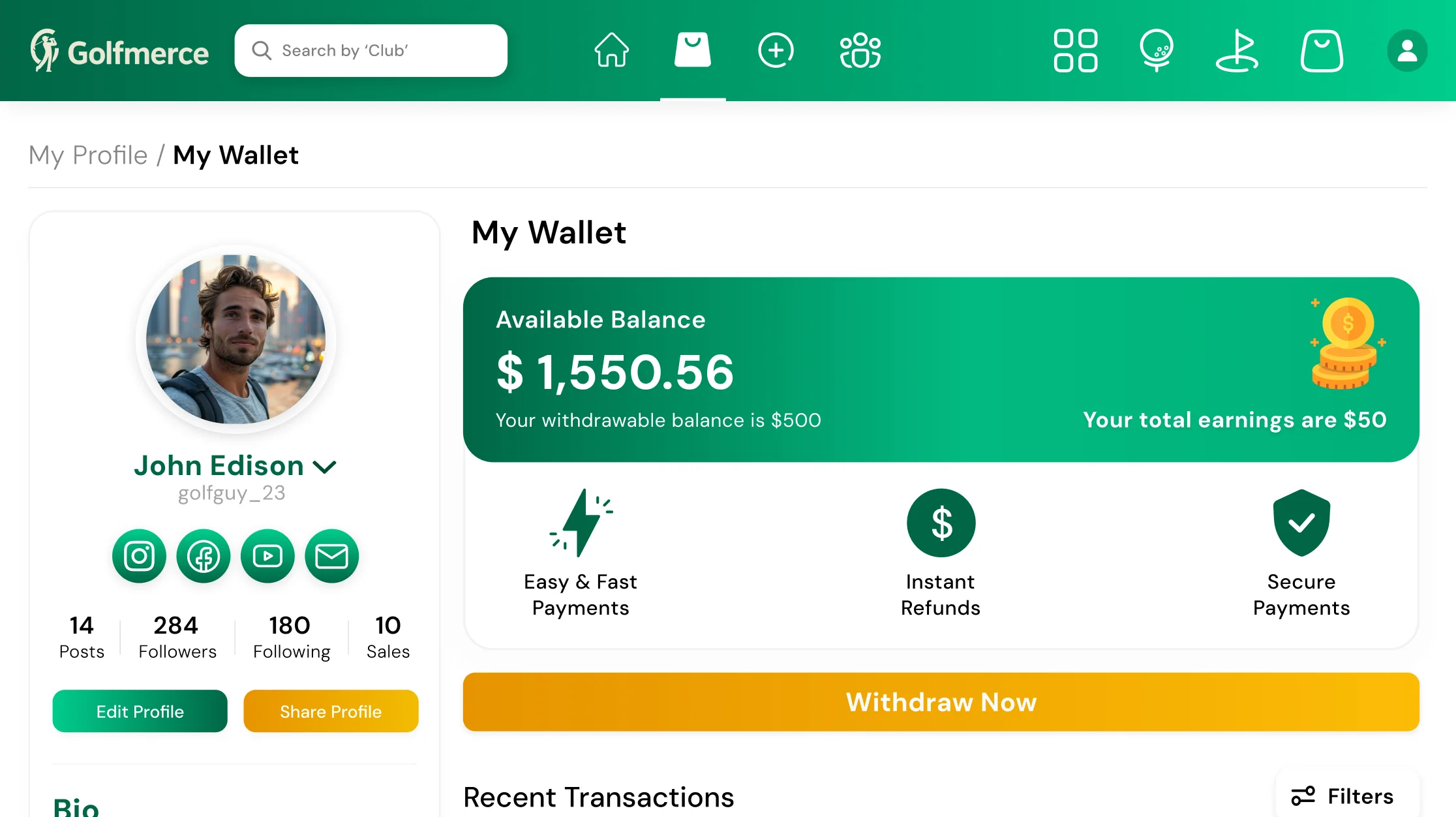
Golfmerce — eCommerce Platform
- Clear navigation and an efficient purchasing journey
- Mobile-first product and shopping experience
- 3x increase in engagement (portfolio-reported)
- More than 40% faster checkout (portfolio-reported)
Golfmerce shows how product-focused UX and streamlined checkout support a specialized eCommerce audience.
FINANCIAL OPERATIONS
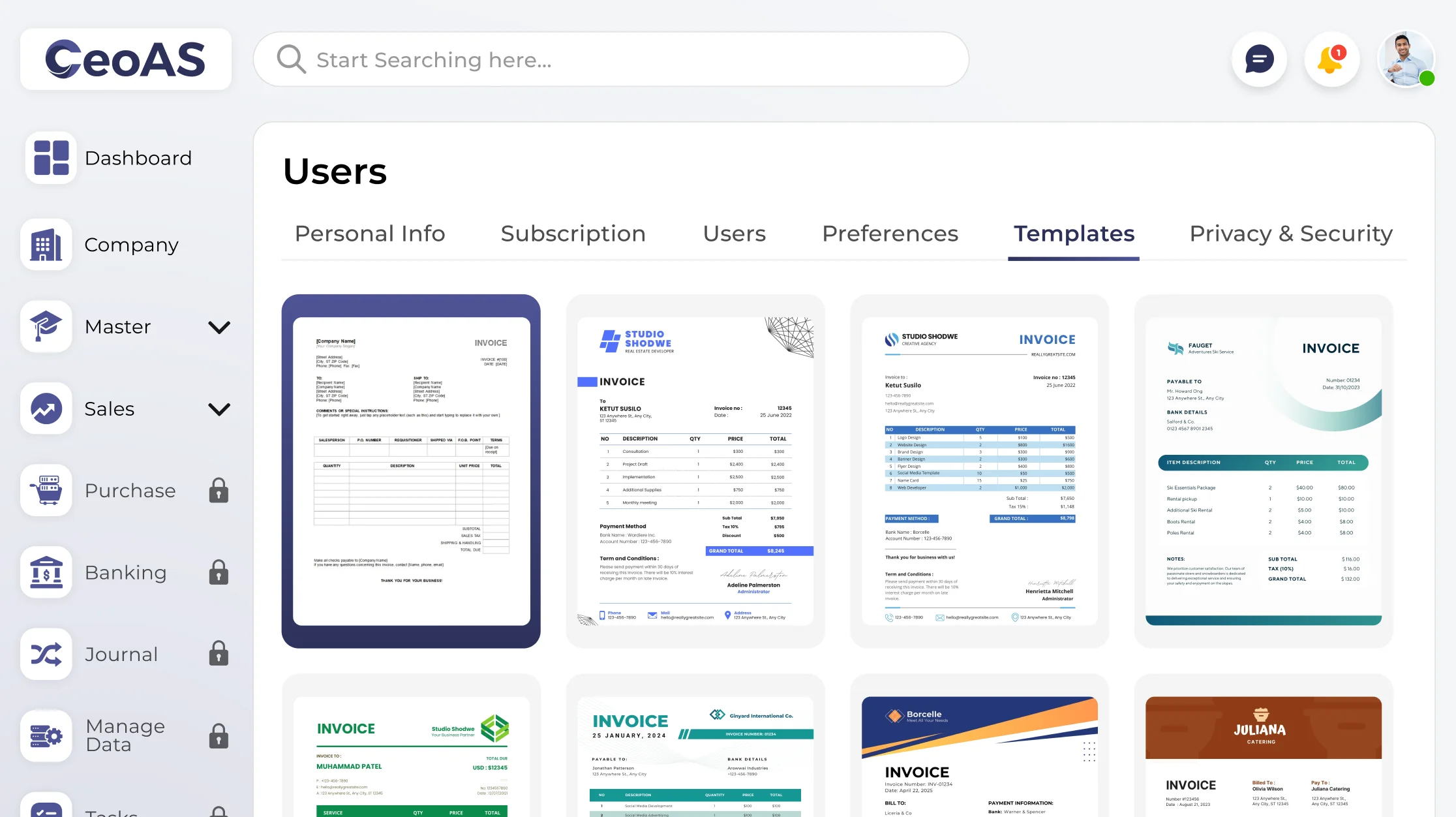
CEOAS — Accounting and Financial Operations
- Automation of repetitive accounting workflows
- 60% reduction in manual work (portfolio-reported)
- Faster financial reporting (portfolio-reported)
CEOAS illustrates how custom web applications can organize workflows and reduce repetitive financial administration.
PROCUREMENT MANAGEMENT
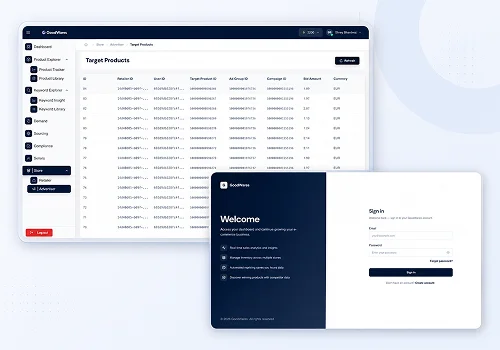
Good Wares — Procurement Management Platform
- Centralized vendor and purchasing activities
- Coordinated approvals and inventory visibility
- 50% faster procurement (portfolio-reported)
Our portfolio also includes ProcureRight, a purchasing workflow platform with a reported improvement of more than 50% in procurement-cycle speed.
Factors Affecting
Web Development Cost
Web development costs depend on features, design complexity, backend architecture, integrations, security requirements, cloud infrastructure, and testing effort. A detailed scope is needed for an accurate estimate.
Backend and Database
Business logic, data models and processing
Design and Functionality
Pages, screens, user roles and UI/UX
Third-Party Integrations
Enterprise systems, APIs and migration
Security and Operations
Data protection, hosting and testing
What Affects Your Final Quote?
- Number of pages, screens and user roles
- Design and interactive functionality
- Backend, databases and APIs
- Data migration and security requirements
- Infrastructure, testing and maintenance
These figures are planning guides, not fixed prices; final estimates require documented requirements.
Real-World Application Scenarios (Without Inflated Claims)

Golfmerce — eCommerce Platform
Golfmerce is a golf-focused eCommerce platform emphasizing mobile-first design, intuitive navigation, and a smoother purchase journey. The portfolio reports 3x higher engagement and 40%+ faster checkout.

CEOAS — Accounting and Financial Operations
CEOAS supports financial operations by automating repetitive accounting workflows and improving reporting. The portfolio reports a 60% reduction in manual work and faster financial reporting.

Good Wares — Procurement Management
Good Wares centralizes vendor management, purchase requests, approvals, inventory tracking, and procurement workflows. The portfolio reports 50% faster procurement.
Benefits of Web Development Services
A well-planned website or web application helps customers complete important actions and makes business workflows easier to manage.
01
Search-Friendly, Accessible Websites
Logical URLs, crawlable links, semantic HTML, responsive layouts, metadata and technical SEO foundations help create a website that users and search engines can navigate.
02
Performance Based on User Journeys
We assess frontend payloads, database queries, caching, API responses, image delivery and server configuration to identify meaningful performance improvements.
03
Connected Business Workflows
APIs and system integrations can connect CRM, ERP, payment, inventory, logistics and analytics tools while reducing duplicate work and disconnected information.
04
Maintainable Architecture
Technology and infrastructure are chosen for actual requirements and future maintenance, without adding unnecessary architectural complexity.
How We Build a Web Application
A structured development process helps reduce uncertainty, surface risks early, and give stakeholders visibility into progress.
Discovery and Requirements
We review your business model, target users, existing systems, objectives, and success criteria, then outline the initial project scope, constraints, and dependencies.

Our Web Development Technology Stack
We choose technologies based on the product's requirements rather than using the same stack for every project.
| Development Area | Primary Role | Technologies and Tools |
|---|---|---|
| Frontend | Web interfaces | React.js, Next.js, Angular, Vue.js, TypeScript |
| Backend | Application logic | Node.js, Python, PHP, Java |
| Databases | Data storage and retrieval | PostgreSQL, MySQL, MongoDB |
| APIs | System integration | REST, GraphQL, webhooks |
| Cloud Platforms | Hosting and infrastructure | AWS, Microsoft Azure, Google Cloud |
| DevOps | Builds and deployments | Docker, CI/CD tools, automated pipelines |
| Testing | Software quality | Unit, integration, API, end-to-end testing |
| Security | Data and access protection | Authentication, authorization, encryption, dependency checks |
Final technology choices depend on performance, integrations, developer expertise, licensing, infrastructure costs, and long-term maintenance.
Industries We Serve
We build websites and web applications for businesses with different operational and customer requirements.

eCommerce and Retail
Online stores, product catalogs, orders, and payments

Healthcare
Patient portals, appointments, and secure workflows

FinTech and Accounting
Financial dashboards, accounting workflows, and reporting
Logistics and Supply Chain
Procurement, shipment visibility, and vendor portals

Education
Learning platforms, student portals, and course management

Manufacturing
Inventory, production dashboards, and ERP workflows
SaaS and Technology
Subscriptions, multi-tenant platforms, and analytics
Our Latest Blogs
Stay ahead with expert insights on technology, product development, and digital transformation.
Frequently Asked Questions
Everything you need to know about working with PerfectionGeeks Technologies. Can't find an answer? Reach out to us.