
Published 11 June 2026 | Updated 30 October 2026
Social App Development
Matrimonial App Development: A Complete Guide to Features, Cost and Building a Trusted Matchmaking App
What Is a Matrimonial App?
A matrimonial app is a platform for people looking for a marriage partner. Members, or parents and siblings on their behalf, create detailed profiles covering education, profession, family background, location, religion, community, lifestyle and partner preferences. The app suggests compatible matches, lets members send interests, chat or call once both agree, and protects privacy through verification, contact controls and moderation.
Quick answer
Matrimonial app development means building a mobile and web platform where people, and often their families, find a life partner through verified profiles, preference-based matching, secure chat and privacy controls. A basic matrimonial app with profiles, search, interests, chat and paid plans typically costs $20,000–$45,000 and takes 3–4 months; a full platform with AI matching, ID verification, video calls, horoscope matching and admin tools costs $50,000–$150,000+ and takes 5–8 months. This guide covers how matrimonial apps work, the business models that succeed, essential and advanced features, how to keep members safe and data private, the tech stack, cost and timeline, how these apps make money, and a step-by-step plan to launch your own.
- Matrimonial apps focus on marriage intent, family involvement and verified profiles, unlike casual dating apps.
- Trust is the product: ID, photo and phone verification, privacy controls and fast moderation drive paid conversions.
- Niche apps (community, religion, region, profession, second marriages) win against big platforms by serving a specific audience well.
- A launch-ready app costs about $20K–$45K; a full AI-powered platform $50K–$150K+.
- Freemium with premium plans (contact access, unlimited messages, profile boosts) is the most common revenue model.
Matrimonial Apps vs Dating Apps
| Point | Matrimonial app | Dating app |
|---|---|---|
| Goal | Marriage | Dating, relationships or friendship |
| Profile detail | Very detailed: family, education, career, community, horoscope | Short bio, photos, prompts |
| Who uses it | Individuals and their families | Individuals |
| Matching | Preferences, compatibility and community filters | Swipes, proximity and interests |
| Verification | Strong focus on ID, phone and photo checks | Varies; often optional |
| Revenue | Premium plans for contact access and visibility | Subscriptions, boosts, likes |
The Matrimonial App Market
India is the largest market, led by Shaadi.com, BharatMatrimony (Matrimony.com) and Jeevansathi, with strong community-specific brands. Demand is also growing among the Indian, Pakistani and Bangladeshi diaspora in the US, UK, Canada, the UAE and Australia, and in Muslim matchmaking through apps such as Muzz. Large platforms dominate general searches, so most new apps succeed by targeting a specific community, language, region, religion, profession or life stage.
Matrimonial App Business Models
| Model | How it works | Examples of focus |
|---|---|---|
| General matrimony platform | Open to all, with filters for community and region | Pan-India or diaspora-wide |
| Community or religion-specific | One community, caste, religion or language | Jain, Sikh, Muslim, Tamil, Marathi, Christian |
| Niche life-stage or lifestyle | Specific situations or preferences | Second marriages, NRIs, professionals, divyang members |
| Assisted matchmaking | Human relationship managers plus the app | Premium and elite services |
| Matchmaker or bureau software | White-label platform for marriage bureaus and community organisations | Offline bureaus going digital |
Must-Have Features of a Matrimonial App
Registration and onboarding
Sign up with phone OTP, email, Google or Apple, with profile creation by self or family member.
Detailed profiles
Personal, family, education, career, lifestyle, community and partner preference details, with photo gallery and privacy settings.
Verification
Phone, email and government ID checks, plus selfie or liveness checks to confirm photos are real, shown as verified badges.
Search and filters
Search by age, location, religion, community, education, profession, income, diet, marital status and more, with saved searches.
Daily matches and recommendations
Suggested profiles based on mutual preferences, activity and compatibility.
Interests and shortlists
Send or accept interests, shortlist profiles and see who viewed you.
Secure chat and calls
In-app chat, voice and video calls once both members accept, without sharing phone numbers.
Privacy controls
Hide photos until an interest is accepted, control who can contact you, block and report profiles, and hide your profile.
Notifications
Push, email and WhatsApp alerts for new matches, interests and messages.
Payments and plans
Premium plans and add-ons through Razorpay, Stripe, Apple and Google in-app purchases, UPI and wallets.
Admin panel
Profile approval, moderation, reports, plans and pricing, coupons, analytics and support tools.
Advanced Features That Set Your App Apart
AI-powered matching
Recommendations that learn from who members view, accept and decline.
Horoscope and kundli matching
Automatic guna milan scores for members who want them.
Video profiles and intros
Short videos that build trust faster than photos.
Family accounts
Parents and siblings manage or review profiles with the member's consent.
Multilingual support
Hindi, Tamil, Telugu, Marathi, Bengali, Urdu, Arabic and more.
Relationship manager tools
For assisted or premium matchmaking services.
Events and meetups
Virtual and in-person community events.
Success stories
Couple stories that build trust and support marketing.
How AI Matching Works in Matrimonial Apps
- Preference filters. Hard rules first: age range, location, religion, community, marital status and other must-haves set by both members.
- Compatibility scoring. Scores each pair on education, profession, lifestyle, family values, language and interests, in both directions.
- Behaviour signals. Learns from profiles a member views, shortlists, accepts or declines, and adjusts recommendations.
- Ranking and freshness. Balances strong matches with active, recently verified profiles so members see people who are likely to reply.
- Fairness and quality checks. Prevents the same popular profiles being shown to everyone and filters out low-quality or suspicious accounts.
AI can also help with profile writing suggestions, photo quality checks, fake-profile detection and chat safety (flagging requests for money or off-platform contact).
Verification and Safety Features
| Risk | How the app reduces it |
|---|---|
| Fake profiles | Phone OTP, government ID checks, selfie or liveness verification, AI detection of stock or stolen photos |
| Romance and money scams | Chat scanning for payment requests and suspicious links, warnings, fast reporting and bans |
| Unwanted contact | Contact only after interest is accepted, number masking, block and report |
| Photo misuse | Photo privacy, blurred photos until accepted, screenshot deterrence and watermarks |
| Misleading details | Verified badges for ID, education or income where documents are checked |
| Harassment | Moderation team, keyword filters, clear community rules and account suspension |
Visible trust features such as verified badges, privacy settings and safety tips also increase paid conversions, because members and families are more willing to pay when they trust the profiles they see.
Privacy and Legal Compliance
India's Digital Personal Data Protection (DPDP) Act, 2023
Consent, purpose limits, data deletion on request and breach reporting.
GDPR (UK and EU members) and US state privacy laws
For diaspora apps serving members abroad.
Sensitive data
Religion, community, health and income need extra care, encryption and limited access.
IT Rules for intermediaries (India)
Grievance officer, content takedown and user complaint handling.
App store rules
Apple and Google policies on user-generated content, reporting, blocking and in-app purchases.
Payments
PCI DSS-compliant gateways; never store card details yourself.
Tech Stack for a Matrimonial App
| Layer | Technologies |
|---|---|
| Mobile apps | Flutter or React Native (one codebase), or Swift and Kotlin for native apps |
| Web app | React or Next.js |
| Back end | Node.js (NestJS) or Python (Django, FastAPI) |
| Database | PostgreSQL for profiles and payments, Redis for caching and sessions |
| Search | Elasticsearch or OpenSearch for fast, filtered profile search |
| Chat and calls | WebSockets or Firebase for chat; Agora, Twilio or WebRTC for voice and video |
| Verification | DigiLocker, Aadhaar-based eKYC partners or international ID verification providers, face match and liveness |
| AI | Recommendation models in Python, LLM APIs for profile help and moderation |
| Payments | Razorpay, Stripe, PayPal, UPI, Apple and Google in-app purchases |
| Cloud and storage | AWS, Google Cloud or Azure; S3-compatible storage with a CDN for photos and videos |
| Notifications | Firebase Cloud Messaging, email and WhatsApp Business API |
How Much Does Matrimonial App Development Cost?
| Scope | What is included | Cost (USD) | Timeline |
|---|---|---|---|
| MVP | Android and iOS (cross-platform), profiles, search, interests, chat, phone verification, premium plans, basic admin | $20,000–$45,000 | 3–4 months |
| Full matrimonial platform | MVP plus web app, ID and photo verification, video calls, AI recommendations, horoscope matching, multilingual, advanced admin and analytics | $50,000–$100,000 | 5–7 months |
| Large or white-label platform | Multiple communities or brands, relationship-manager tools, bureau and franchise panels, advanced AI moderation, high scale | $100,000–$150,000+ | 7–10 months |
What affects cost: native vs cross-platform apps, depth of verification, AI matching, video calling, number of languages, admin and moderation tools, and integrations such as payments, WhatsApp and ID verification.
Running costs to plan for: cloud hosting and photo or video storage, ID verification fees per check, SMS and WhatsApp messages, video call minutes, moderation staff, app store fees and maintenance (typically 15–20% of the build cost per year).
How Matrimonial Apps Make Money
| Revenue stream | How it works |
|---|---|
| Premium memberships | 1-, 3-, 6- or 12-month plans that unlock contact details, unlimited messages and calls |
| Pay-per-contact | Members buy credits to view phone numbers or start chats |
| Profile boosts and spotlight | Paid visibility at the top of search results and daily matches |
| Assisted or VIP matchmaking | Personal relationship managers for a premium fee |
| Verification and horoscope reports | Paid verified badges, detailed horoscope reports |
| Wedding services marketplace | Commissions or ads from venues, photographers, caterers and planners |
| Events | Paid community meetups and online events |
| White-label licensing | Licence your platform to bureaus and community organisations |
How to Build a Matrimonial App: Step by Step
- Choose your audience and niche. Decide the community, region, language or life stage you will serve, and what you will do better than large platforms.
- Research members and competitors. Interview members and parents, review competitor apps and app store reviews, and list pain points (fake profiles, spam, poor matches).
- Define features and the business model. Prioritise MVP features and decide which features are free and which are paid.
- Design for trust and families. Simple onboarding, clear privacy controls, verified badges and screens that work for older users.
- Develop the apps, back end and admin. Build in two-week sprints with regular demos and early testing on real devices.
- Set up verification, moderation and payments. Connect ID checks, chat safety rules, reporting flows and payment gateways.
- Test and launch. Functional, security, load and usability testing, then app store submission and a soft launch in one city or community.
- Grow and improve. Seed quality profiles, partner with community groups, track activation and paid conversion, and improve matching from real data.
Common Mistakes to Avoid
Launching without enough profiles
Start in a focused community or city so members see relevant matches from day one.
Weak verification
Fake profiles destroy trust and reviews quickly.
Paywall too early
Let members see value (matches, interests) before asking them to pay.
Ignoring families
Many decisions involve parents; give them a clear, respectful role.
Slow moderation
Reports must be handled within hours, not days.
Copying big platforms
A clear niche and better trust features beat a smaller copy of Shaadi.com.
How PerfectionGeeks Helps
We design and build matrimonial and matchmaking apps for Android, iOS and web, with verification, AI matching, secure chat and video calls, horoscope matching, multilingual support and admin and moderation tools. We can start from a discovery workshop or rebuild an existing app that has outgrown its first version.
Frequently Asked Questions
Quick answers related to this article from PerfectionGeeks.
1. How much does it cost to develop a matrimonial app?
2. How long does it take to build a matrimonial app?
3. What is the difference between a matrimonial app and a dating app?
4. What features does a matrimonial app need?
5. How do matrimonial apps prevent fake profiles?
6. How does AI help in matrimonial apps?
7. How do matrimonial apps make money?
8. Can I build an app like Shaadi.com or Jeevansathi?
9. Should I build native or cross-platform apps?
10. Can a matrimonial app include horoscope matching?
11. How do I keep member data private and legal?
12. Can you build matrimonial software for a marriage bureau or community?
Conclusion
Tell us your audience, the features you have in mind and your target launch date. Within 2 business days we will send a feature plan, a cost estimate and a timeline, under an NDA.Planning a Matrimonial App?
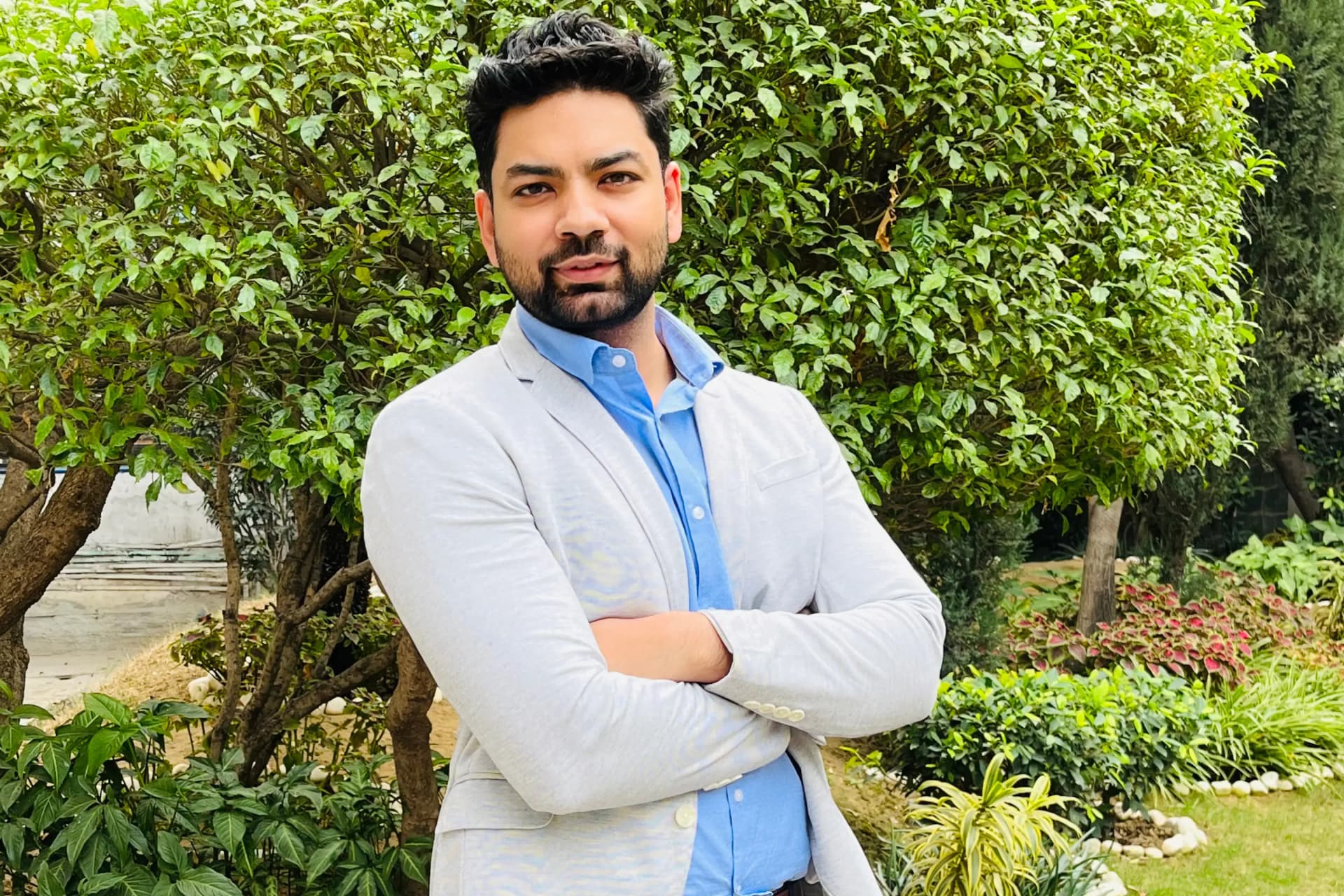
Shrey Bhardwaj is the Director & Founder of PerfectionGeeks Technologies, bringing extensive experience in software development and digital innovation. His expertise spans mobile app development, custom software solutions, UI/UX design, and emerging technologies such as Artificial Intelligence and Blockchain. Known for delivering scalable, secure, and high-performance digital products, Shrey helps startups and enterprises achieve sustainable growth. His strategic leadership and client-centric approach empower businesses to streamline operations, enhance user experience, and maximize long-term ROI through technology-driven solutions.