
Published 11 June 2026 | Updated 7 October 2026
music- streaming- app-development
Cost to Develop a Music Streaming App Like JioSaavn in 2026
Building a music streaming app like JioSaavn can cost approximately $30,000 to $300,000+, depending on the product scope, platforms, streaming architecture, content licensing, UI/UX complexity, backend infrastructure, personalization features, and scale.
For an India-focused startup, a practical starting point is an MVP with a focused music catalog, search, playlists, user accounts, subscriptions, audio streaming, analytics, and an admin panel. A more advanced platform can add offline listening, AI-powered recommendations, multiple subscription plans, social features, sophisticated content management, royalty workflows, and large-scale streaming infrastructure.
Quick answer
The cost to develop a music streaming app like JioSaavn can vary widely based on features, technology stack, and platform complexity, generally ranging from a few thousand to several hundred thousand dollars.
- The cost to develop a music streaming app like JioSaavn can range from $30,000 to $300,000+ for software development, depending on scope.
- An MVP can focus on authentication, music discovery, audio streaming, playlists, search, subscriptions, and administration.
- Advanced platforms require additional investment in recommendation systems, scalable streaming infrastructure, analytics, content management, security, and monetization.
- Music licensing and royalty obligations are separate budget considerations and should be assessed with appropriate legal and licensing professionals.
- Android and iOS development can be delivered as separate native applications or through a cross-platform architecture, depending on product requirements.
- A strong backend and audio delivery architecture are essential because streaming products must handle media processing, storage, delivery, playback states, analytics, and potentially large traffic volumes.
- AI can be used for music recommendations, search personalization, playlist generation, content classification, and user segmentation.
- Starting with an MVP can reduce initial development risk while allowing the product team to validate user behavior before investing in advanced functionality.
- PerfectionGeeks Technologies can help businesses plan, design, develop, test, and scale custom music streaming applications.
If you are planning to build a music streaming product, the development budget should be separated into software development, cloud infrastructure, third-party services, content licensing, maintenance, and marketing/operations rather than treating the entire investment as one development fee.
Planning estimate:
| Product Type | Estimated Development Cost | Typical Scope |
|---|---|---|
| Music Streaming MVP | $30,000–$50,000 | Core streaming, login, search, playlists, basic admin |
| Mid-Level Platform | $50,000–$150,000 | Subscriptions, offline listening, recommendations, analytics |
| Advanced Platform | $150,000–$300,000+ | AI personalization, advanced streaming, scalable infrastructure, sophisticated admin and monetization |
Important: These figures are software-development planning ranges, not music licensing or royalty quotations. Music rights can involve separate negotiations and costs that vary by catalog, territory, usage rights, and rights holders.
What Is a Music Streaming App Like JioSaavn?
A music streaming application allows users to discover, search, stream, organize, and interact with digital audio content through mobile or web applications.
A JioSaavn-style product typically combines several technology layers:
- Consumer mobile application
- Audio streaming and delivery infrastructure
- Content and catalog management
- User account and authentication systems
- Search and discovery
- Playlist and library management
- Subscription and monetization systems
- Recommendation and personalization
- Analytics and reporting
- Administrative and content-management tools
The complexity increases significantly when the application must support a large catalog, multiple languages or markets, high concurrent traffic, offline playback, sophisticated recommendations, multiple subscription plans, and extensive rights-management workflows.
How Much Does It Cost to Build a Music Streaming App Like JioSaavn?
The software-development cost generally falls into three broad stages.
1. Music Streaming MVP: $30,000–$50,000
An MVP is appropriate when the objective is to validate the product concept before building a large-scale streaming ecosystem.
Typical functionality can include:
- User registration and login
- User profiles
- Music catalog
- Artist and album pages
- Music search
- Audio playback
- Basic playlists
- Favorites
- Recently played tracks
- Basic notifications
- Subscription integration
- Basic analytics
- Admin dashboard
- Content management
- Basic security controls
An MVP should prioritize the core listening experience instead of attempting to replicate every feature of an established streaming platform.
2. Mid-Level Music Streaming Platform: $50,000–$150,000
A mid-level product can support a more complete commercial experience.
Potential functionality includes:
- Advanced search
- Personalized home screen
- Multiple playlists
- Offline listening
- Subscription plans
- Payment integration
- Push notifications
- Music recommendations
- Listening history
- Artist profiles
- Album management
- Content moderation
- Advanced analytics
- Admin and reporting dashboards
- CDN-based media delivery
- Multi-device account management
This stage is often appropriate for businesses that have already validated their product concept and want to expand the platform.
3. Advanced Music Streaming Platform: $150,000–$300,000+
A large-scale platform can require considerably more engineering and infrastructure.
Advanced functionality may include:
- AI-powered recommendations
- Personalized playlists
- Advanced search
- Semantic or natural-language discovery
- Large-scale content catalogs
- High-quality audio delivery
- Offline downloads
- Multiple subscription tiers
- Family or multi-user plans
- Artist dashboards
- Content-owner dashboards
- Royalty-related reporting workflows
- Advanced analytics
- Real-time events
- Recommendation pipelines
- Automated content classification
- Multi-region infrastructure
- Advanced security
- Web, Android and iOS applications
- Scalable administration systems
At this level, the cost should be estimated from the architecture and product requirements rather than from a simple per-feature price list.
Music Streaming App Development Cost Breakdown
A realistic budget should consider each major engineering area separately.
| Development Area | Typical Budget Impact |
|---|---|
| Product discovery & technical planning | Low–Medium |
| UI/UX design | Medium |
| Android application | Medium–High |
| iOS application | Medium–High |
| Backend development | High |
| Streaming architecture | High |
| Admin dashboard | Medium |
| Payment & subscription integration | Medium |
| Recommendation engine | Medium–High |
| Cloud infrastructure | Recurring |
| CDN/media delivery | Recurring |
| QA & testing | Medium |
| DevOps & deployment | Medium |
| Security | Medium–High |
| Maintenance & updates | Recurring |
| Licensing & royalties | Separate and highly variable |
The exact allocation depends on the product architecture, team composition, geographic market, development methodology, integrations, and expected scale.
What Features Should a Music Streaming App Have?
User Features
A modern music streaming application can include:
- Registration and login
- Social login
- User profile
- Music discovery
- Search
- Artist pages
- Album pages
- Song pages
- Playlists
- Favorites
- Recently played
- Listening history
- Queue management
- Music sharing
- Notifications
- Personalized recommendations
- Offline listening
- Subscription management
- Account settings
Audio Player Features
The audio player is one of the most important parts of the application.
It may support:
- Play and pause
- Previous and next track
- Seek
- Queue
- Repeat
- Shuffle
- Volume control
- Background playback
- Lock-screen controls
- Bluetooth/device controls
- Audio quality selection
- Resume playback
- Downloaded-content playback
The exact functionality depends on the target devices and operating systems.
Admin Panel
A music streaming business also requires a management platform.
An administrator may need to manage:
- Songs
- Albums
- Artists
- Genres
- Playlists
- Banners
- Featured content
- User accounts
- Subscription plans
- Payments
- Reports
- Content availability
- Notifications
- Analytics
- User activity
A robust admin panel can substantially reduce the operational workload after launch.
How AI Can Improve a Music Streaming App
AI can become a major component of a modern music streaming product, particularly when the application has sufficient user and content data.
AI-Powered Music Recommendations
The recommendation engine can use signals such as:
- Listening history
- Skips
- Likes
- Favorites
- Search behavior
- Playlist activity
- Session duration
- Genre preferences
- Artist interactions
- Time-based listening patterns
These signals can be combined to generate personalized recommendations.
AI-Powered Search
Instead of relying only on exact keyword matching, an advanced search system can help users discover music using natural-language queries.
For example:
"Play relaxing Hindi songs for a long drive."
A system designed for this type of experience may combine natural-language processing, catalog metadata, recommendation logic, and ranking algorithms.
AI Playlist Generation
AI can also assist in creating playlists based on:
- Mood
- Genre
- Activity
- Language
- Artist
- Listening history
- User preferences
AI features should be introduced according to the availability and quality of the underlying data. Adding an AI label alone does not automatically create a useful recommendation system.
Music Licensing and Royalty Costs
Music licensing is one of the most important considerations when planning a commercial streaming platform.
Software development costs and music rights costs should not be treated as the same expense.
Depending on the business model and territories served, a streaming company may need appropriate rights and agreements covering the music it distributes.
Potential licensing considerations can include:
- Sound recording rights
- Musical composition rights
- Performance rights
- Reproduction/distribution rights
- Territory-specific rights
- Subscription usage rights
- Offline-download rights
- Advertising-related usage
- Reporting and royalty obligations
The precise requirements depend on the catalog, territory, business model, agreements and applicable law.
Therefore, businesses should obtain specialist legal and licensing advice before committing a commercial music catalog.
Technology Stack for a Music Streaming App
The technology stack should be selected according to the product's expected scale, performance requirements, team expertise and long-term roadmap.
Mobile Development
Possible approaches include:
- Kotlin for Android
- Swift for iOS
- Flutter for cross-platform development
- React Native for cross-platform development
A business choosing native development may prioritize platform-specific capabilities and performance. A cross-platform approach can help share portions of the application code between platforms.
Backend
Potential backend technologies include:
The backend can handle:
- Authentication
- User management
- Catalog APIs
- Playlists
- Search
- Recommendations
- Subscriptions
- Notifications
- Analytics
- Administration
- Content workflows
Database
Depending on the application architecture, the product may use:
- PostgreSQL
- MySQL
- MongoDB
- Redis
- Other specialized data stores
A music streaming platform may require multiple storage technologies rather than relying on one database for every workload.
Cloud Infrastructure
Cloud infrastructure can provide:
- Application hosting
- Object storage
- Database services
- Auto scaling
- Monitoring
- Security
- Content delivery
- Backup and recovery
The appropriate architecture depends on traffic, catalog size, geographic distribution and availability requirements.
Audio Streaming Architecture
Streaming performance directly affects the user experience.
A typical architecture can include:
Content ingestion → Media processing → Storage → CDN → Streaming API → Mobile/Web Player
The system may also include:
- Audio transcoding
- Multiple audio qualities
- Metadata management
- CDN delivery
- Authentication
- Access control
- Playback analytics
- Download management
- Caching
- Monitoring
HTTP-based adaptive streaming technologies such as HLS or MPEG-DASH can be considered where appropriate to the product's requirements.
The architecture should be designed around expected concurrent users rather than only the number of registered users.
Android vs iOS Music Streaming App Development
Businesses targeting both major mobile ecosystems need to determine whether they should build native applications or use a cross-platform framework.
Android App Development
An Android app development company can build the Android experience around technologies such as Kotlin and Android's native media capabilities.
Android development may require attention to:
- Device fragmentation
- Different screen sizes
- Background playback
- Battery management
- Audio focus
- Notifications
- Bluetooth devices
- Android OS versions
- Downloaded content
iOS App Development
An iOS app development company can develop the iPhone/iPad experience using Swift and Apple's media frameworks.
Important areas may include:
- Background audio
- Lock-screen controls
- Bluetooth integration
- Media controls
- App lifecycle
- Offline playback
- Subscription functionality
- iOS device compatibility
The final architecture should be determined during technical discovery.
Why Choose a Mobile App Development Company in Delhi NCR?
For startups and businesses looking for an India-based engineering partner, working with a mobile app development company in Delhi NCR can provide access to product design, mobile engineering, backend development, QA and DevOps capabilities within one development ecosystem.
When evaluating a development partner, look beyond the hourly rate.
Consider:
- Relevant mobile development experience
- Product discovery process
- UI/UX capabilities
- Backend engineering
- Cloud architecture expertise
- QA methodology
- Security practices
- Communication process
- Post-launch support
- Technical documentation
- Ability to scale the team
- Experience with third-party integrations
The lowest development quote does not necessarily represent the lowest total cost of ownership.
How PerfectionGeeks Can Help Build a Music Streaming App
PerfectionGeeks Technologies provides custom software and mobile app development services for businesses building digital products.
For a music streaming platform, our development approach can cover:
Product Discovery
We start by defining the product concept, target audience, monetization model, core features and technical requirements.
UI/UX Design
We create user flows and interfaces for discovery, search, music playback, playlists, profiles, subscriptions and other product journeys.
Android Development
Our Android development team can build native or appropriate cross-platform experiences based on the project requirements.
iOS Development
Our iOS development team can develop the iPhone/iPad experience with platform-specific playback and interaction requirements.
Backend Development
We can build APIs and backend services for users, content, playlists, subscriptions, analytics and administration.
Streaming Infrastructure
We can design the application architecture around media storage, processing, delivery, authentication and scalability requirements.
AI & Personalization
Where the data and business case support it, AI/ML capabilities can be incorporated for recommendations, discovery and personalization.
Testing & Deployment
QA and deployment processes can cover functional testing, device testing, performance testing, API testing and release preparation.
How Long Does It Take to Build a Music Streaming App?
The development timeline depends on scope, platforms, integrations, team size and technical complexity.
A practical planning model is:
| Product Stage | Approximate Development Timeline |
|---|---|
| Basic MVP | 3–5 months |
| Mid-Level Platform | 5–8 months |
| Advanced Platform | 8–12+ months |
These are planning ranges rather than fixed delivery commitments.
An MVP with one mobile platform and a limited feature set can move faster than a multi-platform product requiring advanced recommendations, offline playback, complex subscriptions, extensive administration and large-scale streaming infrastructure.
Factors That Affect Music Streaming App Development Cost
1. Number of Platforms
Building Android, iOS and web applications increases the overall development scope.
2. UI/UX Complexity
A basic media player requires less design and engineering work than a highly personalized streaming experience.
3. Streaming Architecture
Storage, media processing, CDN delivery, caching and monitoring can become important infrastructure costs as usage grows.
4. Backend Complexity
The number of APIs, integrations, workflows and administrative functions affects development effort.
5. Personalization
Recommendation systems require additional data engineering, algorithms, experimentation and monitoring.
6. Offline Listening
Secure downloads and offline playback introduce additional product and engineering requirements.
7. Subscription System
Subscriptions require payment integration, entitlement management, renewal handling, cancellation flows and platform-specific compliance.
For Google Play, developers offering subscriptions and digital content need to account for applicable billing and subscription requirements.
8. Content Licensing
Music rights are a separate and potentially significant commercial consideration.
9. Security
Authentication, authorization, API protection, secure media access and data protection should be considered from the architecture stage.
10. Expected Scale
An application designed for 10,000 users may have very different infrastructure requirements from one designed for millions of listeners.
How to Reduce Music Streaming App Development Costs
Start With an MVP
Instead of launching with every possible feature, begin with the functionality required to validate the product.
Prioritize Features
Divide functionality into:
Must Have → Should Have → Later
This prevents unnecessary development during the first release.
Use Reusable Components
Reusable UI components, APIs and backend services can reduce development duplication.
Select the Right Architecture
The architecture should support the current product without creating unnecessary infrastructure complexity.
Consider Cross-Platform Development
Cross-platform development can be evaluated when sharing code between Android and iOS is appropriate.
Use Cloud Services Strategically
Managed cloud services can reduce infrastructure management work, although recurring cloud costs should be included in the long-term budget.
Build Analytics Early
Analytics can help determine which features users actually use before significant resources are invested in additional functionality.
Revenue Models for a Music Streaming App
A music streaming platform can use one or a combination of monetization models.
Freemium
Users can access selected features for free while premium functionality requires a subscription.
Subscription
Users pay monthly or annually for premium access.
Advertising
Free users can be monetized through advertising, subject to the relevant platform, business and content requirements.
Family Plans
Multiple users can share a subscription under defined account rules.
Artist or Creator Services
Depending on the business model, the platform can provide additional services for artists or content owners.
The appropriate model depends on the target audience, content rights, market and unit economics.
What Does It Cost to Maintain a Music Streaming App?
Development does not end after launch.
Ongoing expenses can include:
- Bug fixes
- OS compatibility updates
- Security updates
- Cloud hosting
- CDN usage
- Database infrastructure
- Monitoring
- Analytics
- Third-party APIs
- Payment integrations
- Customer support
- New feature development
- App Store/Play Store releases
- Content and catalog operations
Infrastructure costs can increase as the number of listeners, streams, stored media files and geographic markets increases.
Music Streaming App Development: A Practical Budget Example
Suppose a startup wants to launch an India-focused music streaming MVP.
The first release might include:
- Android application
- iOS application
- User authentication
- Music catalog
- Search
- Audio player
- Playlists
- Favorites
- Subscription system
- Admin dashboard
- Basic analytics
The development budget could fall within the MVP range of approximately $30,000–$50,000, depending on the final scope and team structure.
However, this should not be interpreted as the total capital required to operate the business.
The startup would also need to evaluate:
- Music licensing
- Cloud infrastructure
- CDN
- Payment processing
- App-store-related costs
- Marketing
- Customer support
- Legal services
- Content operations
- Ongoing maintenance
This distinction is important when preparing a realistic business plan.
JioSaavn-Like App vs Custom Music Streaming Platform
Rather than attempting to duplicate an established platform feature by feature, businesses should define their own product differentiation.
For example, a new music platform could focus on:
- Regional music
- Independent artists
- Podcasts
- Audiobooks
- AI-powered discovery
- Curated playlists
- Specific languages
- Niche communities
- Creator monetization
- Personalized listening experiences
A focused value proposition can make the initial product easier to design, build and validate.
Development Process for a Music Streaming App
At PerfectionGeeks, a typical development process can be structured around:
1. Product Discovery
Define users, business objectives, features and monetization.
2. Technical Planning
Define the architecture, APIs, database, media delivery approach and third-party integrations.
3. UI/UX Design
Create wireframes, user journeys and high-fidelity interfaces.
4. Mobile Development
Develop Android and iOS applications according to the approved architecture.
5. Backend Development
Build APIs, databases, authentication, content management and business logic.
6. Streaming Integration
Implement the required media processing, storage and delivery architecture.
7. Testing
Conduct functional, API, device, usability and performance testing.
8. Deployment
Prepare the applications for the relevant app stores and production infrastructure.
9. Post-Launch Development
Monitor performance, resolve issues and prioritize future product improvements.
Frequently Asked Questions
Quick answers related to this article from PerfectionGeeks.
1. How much does it cost to develop a music streaming app like JioSaavn?
2. How much does a basic music streaming MVP cost?
3. How much does a full-featured music streaming app cost?
4. How long does it take to build a music streaming app?
5. How does the cost to build a music streaming app compare to developing a traditional mobile app?
6. Is music licensing included in app development costs?
7. How long does it take to build a music streaming app?
8. Should I build a native Android and iOS app or use cross-platform development?
9. Can AI be integrated into a music streaming application?
10. Which technology stack is suitable for a music streaming app?
11. Can PerfectionGeeks develop Android and iOS music streaming applications?
12. What is the biggest cost factor in a music streaming app?
13. What should I build first?
Conclusion
A commercial platform can require mobile applications, backend services, audio delivery infrastructure, catalog management, subscriptions, analytics, security, personalization and content-rights processes. A realistic software-development budget can begin around $30,000 for an MVP and exceed $300,000 for a sophisticated, large-scale platform. The most important step is to define the product scope before selecting the technology stack or requesting development quotations. If you are planning a music streaming application, PerfectionGeeks Technologies can help you move from product discovery and UI/UX design to Android development, iOS development, backend engineering, streaming architecture, testing and deployment. Get a Free Consultation to discuss your music streaming app idea, required features, target platforms and development roadmap.
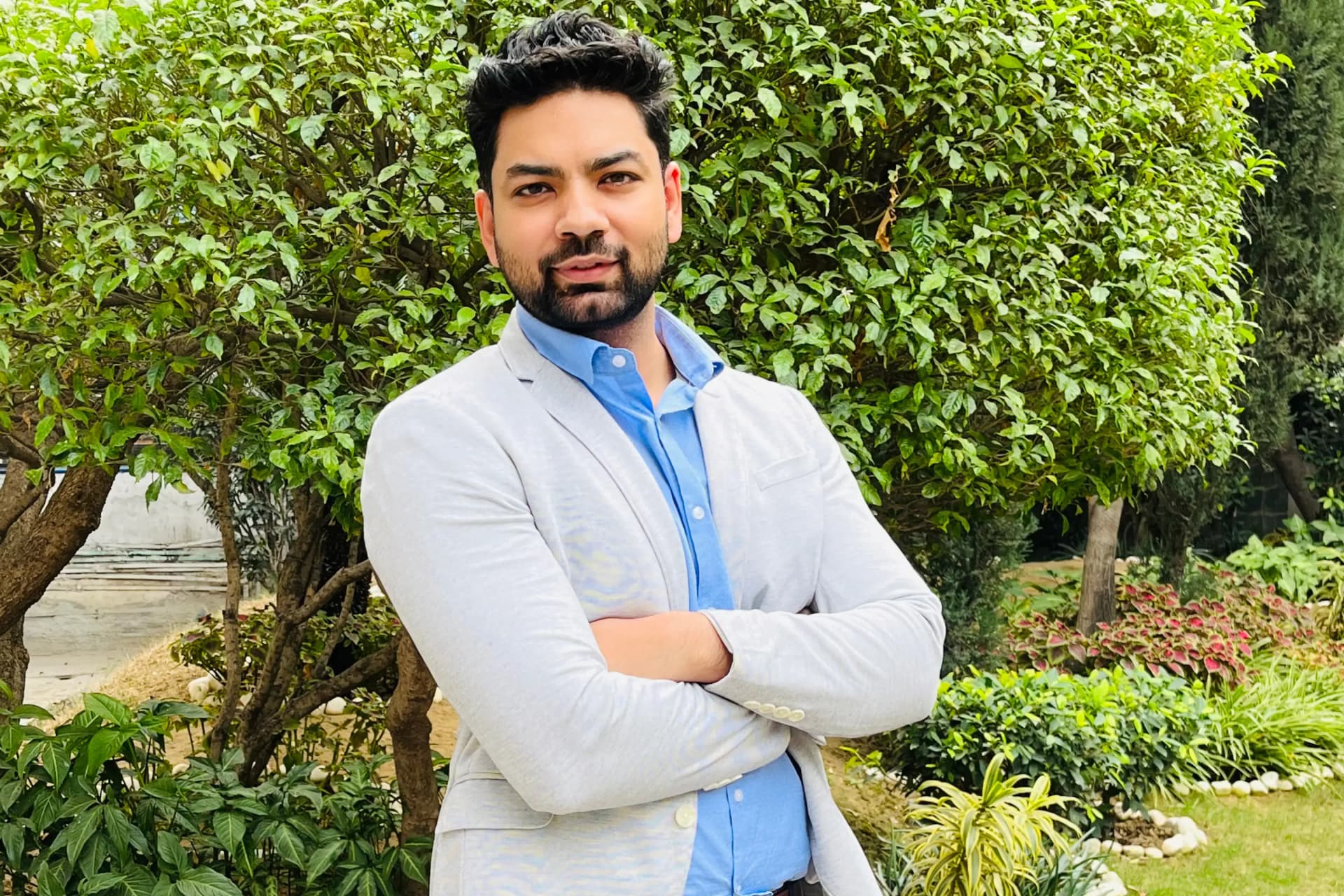
Shrey Bhardwaj is the Director & Founder of PerfectionGeeks Technologies, bringing extensive experience in software development and digital innovation. His expertise spans mobile app development, custom software solutions, UI/UX design, and emerging technologies such as Artificial Intelligence and Blockchain. Known for delivering scalable, secure, and high-performance digital products, Shrey helps startups and enterprises achieve sustainable growth. His strategic leadership and client-centric approach empower businesses to streamline operations, enhance user experience, and maximize long-term ROI through technology-driven solutions.
Meet the PerfectionGeeks team