Published 17 April 2026 | Updated 22 May 2026
Technology
Deepl Translate Pricing 2026 — Full Cost Guide
Building a translation app that rivals the capabilities of DeepL is one of the most ambitious yet rewarding ventures in the AI-driven software industry. With globalization, cross-border communication, and remote collaboration becoming the norm, the demand for live translation apps, AI translation software, and custom AI translation app development has skyrocketed. In this comprehensive 2000-word guide, we’ll break down the costs, features, challenges, and opportunities of building a DeepL-like app in 2026.
Quick AnswerDeepL Translate pricing depends on the app’s features, AI translation capabilities, supported languages, API integrations, and scalability requirements. In 2026, the average cost to build a translation app like DeepL ranges from $25,000 for a basic MVP to $150,000+ for an enterprise-level AI-powered translation platform with real-time voice translation, NLP processing, and cloud infrastructure. |
- DeepL Translate pricing in 2026 depends on factors such as AI integration, supported languages, voice translation features, cloud infrastructure, and platform scalability.
- The average cost to build a translation app like DeepL ranges from $25,000 for a basic MVP to $150,000+ for a fully advanced AI-powered enterprise platform.
- Features such as real-time translation, NLP-based contextual understanding, voice recognition, and multilingual support significantly impact development costs.
- Businesses can reduce translation app development costs by starting with an MVP, using cross-platform frameworks, and integrating third-party APIs initially.
- AI translation apps are rapidly growing because of increasing demand for multilingual communication, international business expansion, and real-time customer support.
- A successful AI translation platform should prioritize scalability, translation accuracy, security, low latency, and cross-platform accessibility.
- Monetization models for translation apps include subscriptions, enterprise licensing, API monetization, and premium feature upgrades.
- Technologies commonly used in DeepL-like app development include TensorFlow, PyTorch, React Native, Flutter, AWS, Azure, and NLP frameworks.
- Companies planning to build AI translation platforms should focus on long-term scalability, AI model optimization, and seamless user experience instead of only minimizing development costs.
- PerfectionGeeks provides end-to-end AI translation app development services including UI/UX design, AI integration, cloud infrastructure, multilingual support, deployment, and post-launch maintenance.
What Is Deepl Translate Pricing?
DeepL Translate pricing refers to the total cost involved in developing and maintaining a translation app similar to DeepL. These costs include AI-powered language processing, machine learning integration, API infrastructure, cloud hosting, voice recognition systems, multilingual databases, and mobile app development.
In 2026, businesses are increasingly investing in AI translation platforms because global communication, multilingual customer support, and real-time language translation have become essential for digital businesses and international operations.
Why AI Translation Apps Like DeepL Are Growing Rapidly in 2026
AI-powered translation applications like DeepL have transformed multilingual communication by using advanced technologies such as neural networks, Natural Language Processing (NLP), and machine learning. Unlike traditional translation tools that rely on direct word replacement, modern AI translation platforms deliver context-aware and highly accurate translations.
Today, the DeepL Translate app is considered one of the best AI translation apps because of its translation accuracy, multilingual capabilities, and enterprise-ready integrations.
Popular Features of AI Translation Apps Like DeepL
Context-Aware Translation
AI models understand sentence structure and meaning instead of translating words literally.
Multi-Language Support
Platforms support multiple global languages with continuous expansion and optimization.
Voice & Real-Time Translation
AI live translation apps enable real-time conversations across different languages.
Cross-Platform Accessibility
Users can access translation services across mobile apps, web platforms, and desktop software.
Productivity Tool Integration
Translation systems integrate with tools such as Microsoft Word, Google Docs, and enterprise workflows.
As businesses increasingly invest in multilingual communication systems, demand for AI translation platform development and DeepL clone app solutions continues to rise globally.
Market Demand & Business Opportunities for AI Translation Apps

The global AI translation software market continues to grow rapidly due to increasing demand for multilingual communication, international business expansion, and AI-powered automation. Businesses are investing heavily in translation app development to improve customer engagement, cross-border communication, and operational efficiency.
According to Grand View Research, the AI language processing industry is expected to experience strong growth through 2026 because of rising enterprise adoption and global digital transformation.
Key Industries Driving Demand
Enterprise Communication
Global companies require AI translation platforms for internal communication and multilingual customer support.
Travel & Tourism
Live translation apps help travelers communicate more effectively in foreign countries.
Education & E-Learning
Students and educators use AI-powered translation tools for multilingual learning experiences.
Healthcare
Hospitals and healthcare providers use AI live translation apps for patient communication and medical consultations.
Ecommerce & Customer Support
Businesses use translation apps to provide localized shopping experiences and multilingual customer service.
As demand grows, businesses are increasingly searching for:
- deepl translate pricing
- translation app development cost
- AI translation platform development
- build app like DeepL
- multilingual AI app solutions
This makes AI translation applications one of the fastest-growing SaaS opportunities in 2026.
Key Features of a Translation App Like DeepL
To compete with DeepL translation, your app must include advanced features that go beyond basic translation. Here are the essential components:

1. Real-Time Translation
Real-time translation enables instant conversion of text and voice without delay. It is essential for chat applications, business meetings, and live conversations. This feature powers smooth communication between users speaking different languages.
2. Multi-Language Support
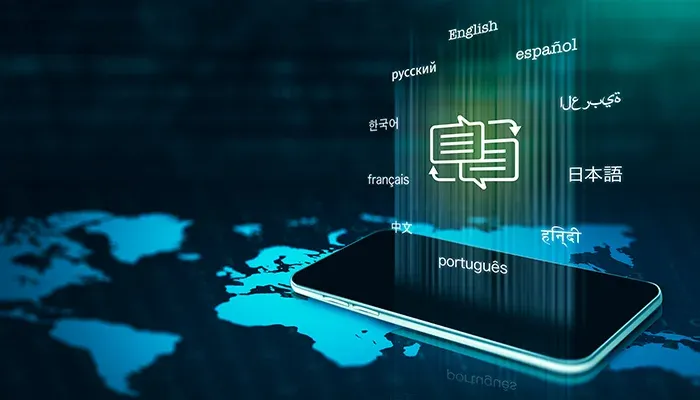
A strong translation app must support multiple global languages such as English, Spanish, Chinese, Arabic, and more. Expanding language coverage increases user reach and makes the app suitable for global audiences and enterprise use.
3. Offline Mode
Offline functionality allows users to access basic translation features without an internet connection. This is especially useful for travelers and users in remote areas who rely on a translation app free experience without connectivity issues.
4. Voice Recognition & Speech-to-Text
This feature converts spoken language into text and then translates it instantly. It is a core component of any live translation app, enabling hands-free communication and improving accessibility for users.
5. Contextual Accuracy
Modern AI models ensure translations are not just word-to-word but context-aware. Using NLP and machine learning, the system understands tone, meaning, and industry-specific terminology for more human-like output.
6. Cross-Platform Availability
A successful app must work seamlessly across web, Android, and iOS platforms, including a DeepL Translate iOS app experience. This ensures users can access translation services anytime, anywhere, on any device.
7. Integration APIs
APIs allow businesses to integrate translation capabilities into their own applications, websites, or workflows. This is essential for SaaS platforms and enterprises that need scalable language processing solutions.
8. Security & Privacy
Strong encryption and data protection measures are critical, especially when handling sensitive business or personal data. End-to-end encryption ensures that translations remain secure and private at all times.
Factors That Affect Translation App Cost
Several technical and business factors influence deepl translate pricing and overall translation app development costs.
AI & NLP Integration
Advanced AI and Natural Language Processing systems increase app intelligence and translation accuracy.
Number of Supported Languages
Supporting multiple languages requires larger databases and additional machine learning models.
Voice Translation Features
Real-time voice translation and speech recognition increase development complexity.
Cloud Infrastructure
Translation apps require scalable cloud hosting and API processing systems.
Mobile & Cross-Platform Development
Building apps for Android, iOS, and web platforms affects pricing and timelines.
Security & Data Privacy
Translation platforms handling sensitive business data require advanced security systems and compliance protocols.
According to Statista, AI-powered language technologies continue to grow rapidly due to increasing global digital communication demands.
DeepL Translate Pricing Breakdown (2026)
| App Type | Estimated Cost |
|---|---|
| Basic Translation MVP | $25,000 – $40,000 |
| Mid-Level AI Translation App | $50,000 – $90,000 |
| Advanced DeepL-Like Platform | $120,000 – $150,000+ |
Feature-Based Cost Breakdown
| Feature | Estimated Cost |
|---|---|
| User Authentication | $2,000 – $5,000 |
| AI Translation Engine | $15,000 – $40,000 |
| Voice Translation | $10,000 – $25,000 |
| Cloud Infrastructure | $5,000 – $15,000 |
| Admin Dashboard | $4,000 – $10,000 |
| Multi-Language Support | $8,000 – $20,000 |
Timeline vs Cost Trade-Offs
The faster you want to launch your translation app, the higher the development cost may become due to larger development teams and accelerated production schedules.
| Timeline | Estimated Cost Impact |
|---|---|
| 3–4 Months | Higher development cost |
| 6–8 Months | Balanced cost and quality |
| 10–12 Months | Lower monthly resource pressure |
Businesses should balance development speed, feature complexity, and scalability requirements to optimize project budgets effectively.
How to Reduce Translation App Development Costs
Start With MVP Development
Launch core features first before scaling advanced AI capabilities.
Use Cross-Platform Development
Frameworks like Flutter and React Native reduce development costs.
Prioritize High-Demand Languages
Focus initially on the most commonly used languages.
Integrate Existing APIs
Using third-party translation APIs can reduce initial infrastructure costs.
Use Scalable Cloud Infrastructure
Cloud-based systems help optimize long-term operational expenses.
Fixed Price vs Hourly Development Comparison
| Pricing Model | Advantages | Best For |
|---|---|---|
| Fixed Price | Predictable budget | Small & mid-size projects |
| Hourly Model | Flexible feature changes | Long-term enterprise development |
Most startups prefer fixed-price development for MVP launches, while enterprises often choose hourly engagement models for scalability and continuous feature expansion.
What’s Included in Our Pricing?
PerfectionGeeks offers complete AI translation app development services to help businesses build scalable and intelligent translation solutions.
Our Pricing Includes:
- UI/UX Design
Clean, user-friendly app designs for better user experience and engagement. - AI & NLP Integration
Advanced AI and Natural Language Processing for accurate real-time translations. - Multi-Language Translation System
Support for multiple global languages with automatic language detection. - Voice Recognition Integration
Speech-to-text and voice translation features for hands-free communication. - Mobile & Web App Development
Cross-platform development for Android, iOS, and web applications. - Cloud Infrastructure Setup
Secure and scalable cloud hosting for fast performance and reliability. - Security Implementation
Data encryption, secure APIs, and user authentication for better protection. - API Integrations
Integration with translation APIs, payment gateways, and third-party services. - QA Testing & Deployment
Complete app testing, bug fixing, and deployment support. - Post-Launch Maintenance
Ongoing updates, technical support, and performance optimization.
Businesses looking for the best DeepL translate pricing company should focus on scalability, AI expertise, security, and long-term support rather than only development cost.
Comparison: PerfectionGeeks vs Competitors
| Feature | PerfectionGeeks | Typical Agencies |
|---|---|---|
| AI Translation Expertise | Yes | Limited |
| Custom NLP Integration | Yes | Extra Cost |
| Post-Launch Support | Included | Often Separate |
| Scalable Cloud Setup | Yes | Varies |
| Dedicated Project Manager | Yes | Not Always |
| Cross-Platform Development | Yes | Limited |
Want to Build a Translation App Like DeepL?
PerfectionGeeks helps startups and enterprises build scalable AI-powered translation applications with NLP integration, voice translation, cloud infrastructure, and multilingual support.
Get a free consultation today and estimate your app development cost.
Technology Stack Required to Build a DeepL-Like App
Developing a DeepL app requires a robust technology stack:
| Component | Technologies |
| Frontend | React Native, Flutter (for cross-platform apps) |
| Backend | Node.js, Python (Django/Flask) |
| AI/NLP Models | TensorFlow, PyTorch, Hugging Face Transformers |
| Speech Recognition | Google Speech API, Azure Cognitive Services |
| Database | PostgreSQL, MongoDB |
| Cloud Infrastructure | AWS, Azure, Google Cloud |
| Security | OAuth 2.0, SSL/TLS encryption |
| Integration | REST APIs, GraphQL |
This stack ensures scalability, real-time performance, and security for a best AI translation app.
Total Estimated Cost: $225,000 – $455,000
Challenges in Building an AI Translation App
Creating a best translation app like DeepL involves several technical and operational challenges.
1. Data Quality
High-quality multilingual datasets are required to train AI models effectively. Poor or limited data leads to inaccurate translations and reduces app reliability.
2. Contextual Accuracy
One of the biggest challenges is ensuring the app understands context, idioms, and tone. Without this, translations may become literal and lose meaning.
3. Real-Time Performance
A live translation app must process text and speech instantly without delays. Achieving low latency while maintaining accuracy is technically demanding.
4. Scalability
The system must handle millions of users simultaneously without performance drops. Scalable cloud infrastructure is essential for global adoption.
5. Privacy Concerns
Translation apps often process sensitive personal and business data. Ensuring secure storage and transmission is critical to maintain user trust.
6. Competition
The market is highly competitive with established players like Google Translate and Microsoft Translator. Standing out requires innovation and superior AI accuracy.
Monetization Models for Translation Apps
A DeepL-like translation app can generate revenue through multiple business models.
1. Freemium Model
A translation app free version attracts users, while advanced features are locked behind a premium plan. This helps build a large user base quickly.
2. Subscription Plans
Users pay monthly or yearly fees for unlimited usage, higher accuracy, and premium features. This is the most stable revenue model for SaaS-based apps.
3. Enterprise Licensing
Companies offering custom AI translation software development can sell tailored solutions to enterprises needing secure and scalable translation systems.
4. In-App Ads
Free users can be monetized through advertisements. This works well for consumer-focused apps with high traffic volume
5. API Monetization
Businesses can be charged for using translation APIs in their own apps or platforms. This is a highly scalable model for enterprise revenue growth.
Frequently Asked Questions
Quick answers related to this article from PerfectionGeeks.
1. How much does it cost to build a translation app like DeepL?
2. What factors affect deepl translate pricing?
3. How long does translation app development take?
4. Which technologies are used in AI translation apps?
5. How do translation apps make money?
Conclusion
AI-powered translation platforms like DeepL are transforming global communication and multilingual digital experiences. As businesses increasingly require real-time translation solutions, the demand for scalable AI translation applications continues to grow in 2026.
Companies planning to build translation apps like DeepL should focus on AI accuracy, scalable cloud infrastructure, multilingual support, and seamless user experiences to stay competitive in the evolving language technology market.

Written By Shrey Bhardwaj
Director & Founder
Shrey Bhardwaj is the Director & Founder of PerfectionGeeks Technologies, bringing extensive experience in software development and digital innovation. His expertise spans mobile app development, custom software solutions, UI/UX design, and emerging technologies such as Artificial Intelligence and Blockchain. Known for delivering scalable, secure, and high-performance digital products, Shrey helps startups and enterprises achieve sustainable growth. His strategic leadership and client-centric approach empower businesses to streamline operations, enhance user experience, and maximize long-term ROI through technology-driven solutions.