Published 13 April 2026
Technology
How Much Does It Cost to Build a Live Streaming App Like Rumble? Full Pricing Guide
Live streaming has rapidly become a dominant force in digital media, enabling real-time engagement between creators and audiences worldwide. Platforms like Rumble have demonstrated how user-generated content combined with effective monetization can create sustainable digital ecosystems. As businesses explore opportunities in this space, understanding the live video streaming app cost and the steps involved in live streaming app development is essential. This guide provides a comprehensive overview of features, technologies, pricing, and strategies required to successfully build a live streaming app.
Introduction to Live Streaming Apps and the Popularity of Rumble
Live streaming apps allow users to broadcast video content in real time, fostering direct interaction with audiences through chat, reactions, and social sharing. The rumble app has gained popularity as a creator-friendly platform that supports free speech and offers attractive monetization opportunities. Its success has inspired startups and enterprises to build a live streaming app with similar capabilities. The increasing demand for video content across entertainment, education, gaming, and corporate sectors has fueled investments in streaming app development. Businesses seeking to enter this market often ask: how much does it cost to start a streaming service? The answer depends on several factors, including features, scalability, and technology choices.
Key Features of a Live Streaming App Like Rumble
To successfully build live streaming app solutions, incorporating essential features is crucial for user engagement, scalability, and monetization. Platforms like Rumble demonstrate how these functionalities create a seamless user experience.
1. User Registration and Profiles
Secure sign-up options using email, phone, or social media allow users to access the platform easily. Personalized profiles enable creators to manage their channels, content, and preferences efficiently.
2. Live Video Broadcasting
This is the core feature of any live streaming platform, enabling creators to stream video content in real time. Low-latency streaming ensures smooth playback and enhances audience engagement.
3. Video Upload and On-Demand Content
Users can upload pre-recorded videos, allowing audiences to watch content anytime. This Video-on-Demand (VOD) functionality increases content availability and user retention.
4. Real-Time Chat and Reactions
Live chat and emoji reactions allow viewers to interact with creators during broadcasts. These interactive tools foster community building and make the streaming experience more engaging.
5. Search and Content Discovery
Advanced search filters and AI-powered recommendations help users find relevant content quickly. This improves user satisfaction and increases overall platform engagement.
6. Monetization Features
Multiple revenue models such as Advertisements (AVOD), Subscriptions (SVOD), Pay-per-view (TVOD), and donations enable sustainable income. These options attract creators and ensure long-term platform profitability.
7. Push Notifications
Push notifications alert users about upcoming live streams, new uploads, and important updates. Timely reminders increase user engagement and encourage repeat visits to the platform.
8. Multi-Platform Compatibility
Supporting mobile apps, web platforms, and smart TVs ensures a wider audience reach. This flexibility enhances accessibility and influences the overall custom OTT app development cost.
9. Admin Dashboard
A centralized admin panel allows platform owners to manage users, content, analytics, and monetization. It streamlines operations and provides insights for data-driven decision-making.
10. Security and DRM Protection
Advanced encryption and Digital Rights Management (DRM) protect copyrighted content from unauthorized access. Strong security measures also safeguard user data and build trust in the platform.
Step-by-Step Process to Build a Live Streaming App
Understanding how to create a live streaming app becomes easier when the development process is streamlined into a few essential stages. Successful platforms like Rumble follow a structured yet efficient approach to ensure scalability, user engagement, and profitability.
1. Market Research & Requirement Planning
This initial stage involves analyzing the target audience, competitors like rumble, and defining the app’s unique value proposition. Businesses outline key features, monetization strategies, and technical requirements. Proper planning minimizes risks and sets a clear roadmap for development.
2. UI/UX Design & Technology Selection
Designers create intuitive and visually appealing interfaces to ensure seamless user experiences. At the same time, developers select the appropriate technology stack, including frontend and backend frameworks, streaming protocols (WebRTC, HLS), and cloud infrastructure. These decisions directly influence performance and scalability.
3. Development & Integration
During this phase, the application is built by integrating frontend and backend components. Core features such as live streaming, user authentication, video uploads, real-time chat, and payment gateways are implemented. API and CDN integrations ensure smooth streaming across multiple devices and platforms.
4. Testing & Deployment
Comprehensive testing is conducted to identify and resolve bugs, ensuring the app’s stability, security, and performance. Once validated, the app is deployed on the Apple App Store, Google Play Store, and web servers. This step ensures a seamless launch and accessibility for users.
5. Maintenance & Scaling
After launch, continuous monitoring and updates are essential for long-term success. Regular maintenance improves performance, introduces new features, and enhances security. Scalability planning ensures the platform can handle increasing user traffic and evolving business needs.
Technology Stack for Live Streaming App Development
A robust technology stack ensures seamless performance and scalability for live streaming app development. The selection of these technologies directly impacts the live video streaming app cost.
| Category | Technologies | Purpose |
| Frontend | Swift (iOS), Kotlin (Android), Flutter / React Native, React.js / Angular | Build responsive and user-friendly mobile and web interfaces. |
| Backend | Node.js, Django, Ruby on Rails, .NET | Manage server-side logic, scalability, and real-time data processing. |
| Streaming Protocols | WebRTC, RTMP, HLS/DASH | Enable low-latency streaming, stream ingestion, and adaptive playback. |
| Cloud & Storage | AWS, Google Cloud Platform, Microsoft Azure | Provide scalable hosting and secure media storage. |
| CDN | CloudFront, Akamai, Cloudflare | Ensure fast and reliable global content delivery. |
| Database | MongoDB, PostgreSQL, MySQL | Store and manage user data and video metadata. |
| Payment Gateways | Stripe, PayPal, Razorpay | Facilitate secure subscriptions and transactions. |
| Analytics & Monitoring | Firebase, Google Analytics, Mixpanel | Track user behavior and monitor app performance. |
Cost to Build a Live Streaming App Like Rumble
Building a live streaming platform similar to Rumble involves several factors such as features, platform selection, technology stack, and scalability. The live video streaming app cost can vary significantly depending on the complexity of the application and business requirements.
Estimated Development Cost
| App Complexity | Key Features | Estimated Cost (USD) | Timeline |
| Basic (MVP) | User registration, live streaming, basic chat | $40,000 – $80,000 | 3 – 6 months |
| Medium | Monetization, push notifications, analytics | $80,000 – $150,000 | 4 – 8 months |
| Advanced (Rumble-like) | AI recommendations, DRM, multi-platform support | $150,000 – $300,000+ | 6 – 12+ months |
Factors Affecting the Cost of Streaming App Development
1. Feature Complexity
The inclusion of advanced functionalities such as AI-based recommendations, real-time chat, multi-language support, and DRM protection significantly increases development time and cost. More complex features require specialized expertise, directly impacting the overall budget.
2. Platform Selection
Developing the app for multiple platforms such as iOS, Android, web, and smart TVs raises both development and testing expenses. Supporting cross-platform compatibility significantly influences the OTT app development cost.
3. UI/UX Design
A custom and visually appealing user interface enhances user engagement but requires additional design effort and resources. High-quality animations, branding, and seamless navigation contribute to increased development costs.
4. Development Location
The geographical location of the development team plays a major role in pricing. Hiring developers in regions like North America or Australia is typically more expensive, while outsourcing to countries like India offers cost-effective solutions without compromising quality.
5. Third-Party Integrations
Integrating services such as Content Delivery Networks (CDNs), payment gateways, analytics tools, and social media APIs adds to the custom OTT app development cost. These integrations are essential for performance, monetization, and user insights.
6. Scalability Requirements
Building infrastructure capable of handling high user traffic and large volumes of video content requires robust cloud services and load-balancing mechanisms. Enhanced scalability ensures long-term growth but increases initial and operational costs.
7. Maintenance and Updates
Post-launch maintenance, including bug fixes, security updates, server management, and feature enhancements, is essential for sustained performance. These ongoing expenses should be factored into the total cost of streaming app development.
Monetization Strategies for a Live Streaming App Like Rumble
One of the most critical aspects of live streaming app development is deciding how the platform will generate revenue. The monetization strategy directly impacts both the custom OTT app development cost and the long-term sustainability of your streaming service. Here are the most popular approaches:
1. Subscription Model (SVOD)
Users pay a monthly or yearly fee to access premium content. This model ensures steady revenue and works well for platforms offering exclusive or niche content.
2. Ad-Supported Model (AVOD)
Content is free for viewers, but revenue comes from advertisements. This is ideal for apps targeting mass audiences, as it lowers entry barriers while still generating income.
3. Transactional Model (TVOD)
Viewers pay per video, live event, or rental. This model is effective for special events, concerts, or pay-per-view sports streams.
4. Hybrid Model
Combines subscriptions and ads, offering flexibility. For example, users can watch free content with ads or upgrade to an ad-free premium plan.
5. Donations & Crowdfunding
Creators can receive direct support from fans through donations or tipping features. This fosters community engagement and empowers independent creators.
6. Affiliate Marketing & Partnerships
Streaming apps can collaborate with brands, offering product placements or affiliate links during live streams. This adds another revenue stream without disrupting user experience.
Why Choose PerfectionGeeks for Live Streaming App Development?
When it comes to building a powerful and scalable live streaming app, choosing the right development partner makes all the difference. PerfectionGeeks Technologies brings proven expertise in live video streaming app development and custom OTT app development, ensuring your platform is future-ready and competitive. Their team specializes in creating apps with robust architecture, seamless streaming, and advanced monetization features—all at cost-effective rates. With end-to-end support, from ideation to deployment and ongoing maintenance.
Frequently Asked Questions
Quick answers related to this article from PerfectionGeeks.
1. How much does it cost to build a live streaming app like Rumble?
2. What factors affect the cost of streaming app development?
3. Can I monetize my streaming app like Rumble?
4. Why should I choose PerfectionGeeks for streaming app development?
Conclusion
Building a platform similar to Rumble presents a valuable opportunity for businesses to enter the rapidly growing digital streaming market. Understanding the live video streaming app cost, selecting the right technology stack, and implementing effective monetization strategies are essential for success. By partnering with an experienced live streaming app development company like PerfectionGeeks, businesses can transform their vision into a scalable and profitable streaming platform, ensuring long-term growth and competitive advantage in the evolving OTT landscape.
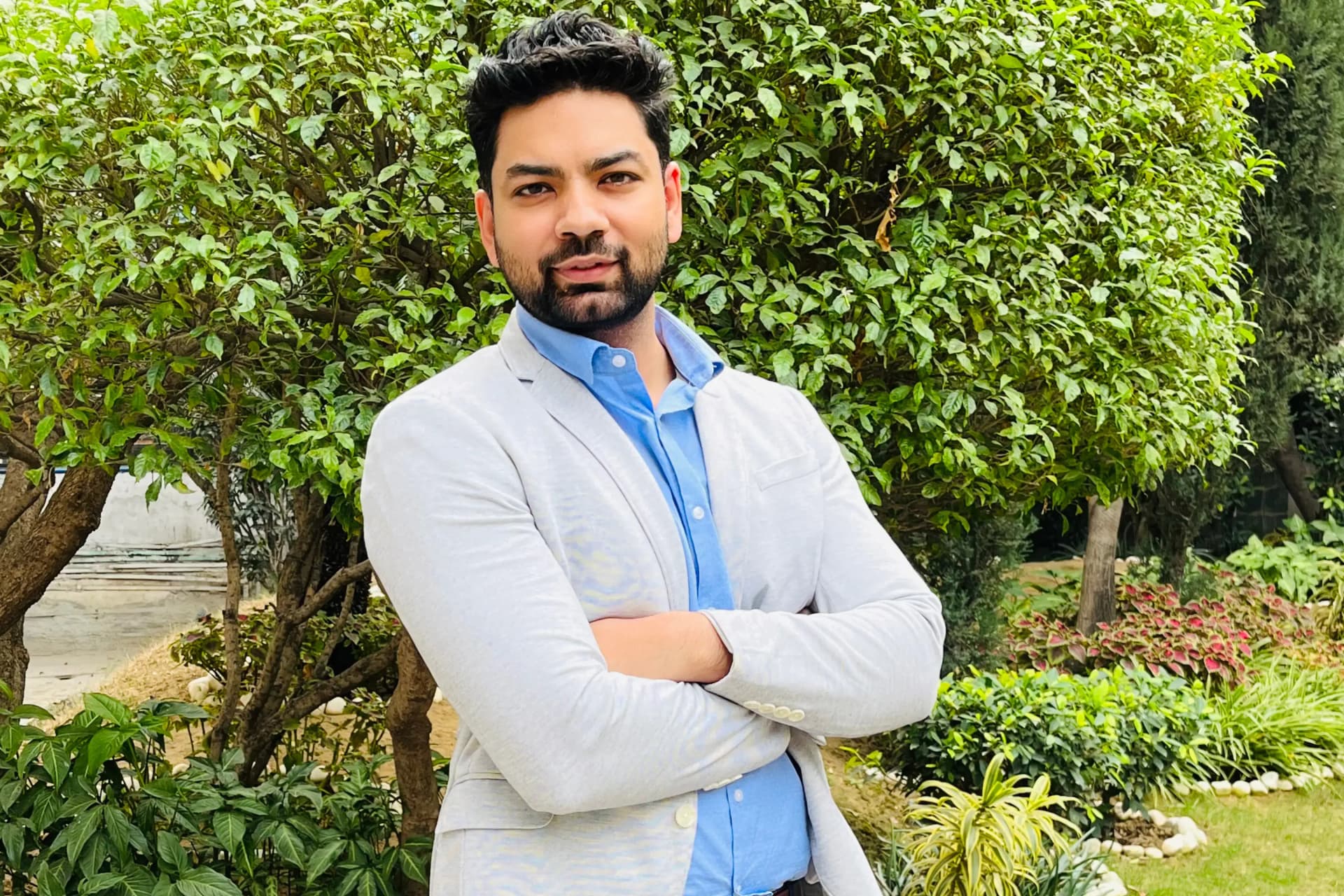
Shrey Bhardwaj is the Director & Founder of PerfectionGeeks Technologies, bringing extensive experience in software development and digital innovation. His expertise spans mobile app development, custom software solutions, UI/UX design, and emerging technologies such as Artificial Intelligence and Blockchain. Known for delivering scalable, secure, and high-performance digital products, Shrey helps startups and enterprises achieve sustainable growth. His strategic leadership and client-centric approach empower businesses to streamline operations, enhance user experience, and maximize long-term ROI through technology-driven solutions.