Depth-Sensing Cameras
These cameras capture the physical landscape and translate it into a digital environment.
Augmented reality sandbox services utilize advanced AR technology to create interactive environments where users can manipulate virtual landscapes using physical sand. These systems employ depth-sensing cameras and projection mapping to enable real-time terrain simulation, creating immersive educational experiences. Ideal for museums and science centers, AR sandboxes offer engaging tools for geography visualization and environmental modeling. They foster STEM learning applications, making complex concepts accessible and enjoyable for learners of all ages.
What is an Augmented Reality Sandbox?
A technology transforming interactive learning experiences.
Augmented reality sandbox technology integrates depth-sensing cameras and projection mapping to create immersive environments where users can manipulate digital sand. This system allows for real-time terrain simulation, enabling users to visualize changes in landscapes and topographies interactively. As users shape the sand, the AR system responds dynamically, providing educational insights into geography and environmental modeling.
These cameras capture the physical landscape and translate it into a digital environment.
Projection mapping overlays digital content on the physical sand, creating interactive landscapes.
AR sandboxes serve as powerful tools for teaching geography and environmental science.
Users engage in hands-on learning, enhancing STEM skills through interactive simulations.
Explore the key differences in AR sandbox systems.
| Technology | Description |
|---|---|
| Depth-Sensing Cameras | Capture real-time user interactions and terrain changes. |
| Projection Mapping | Overlay visuals onto the physical sand for an immersive experience. |
| Interactive Educational Tools | Facilitate hands-on learning and visualization of complex concepts. |
| STEM Learning Applications | Engage students in science, technology, engineering, and mathematics. |
| Geography Visualization | Help in understanding geographical features and environmental changes. |
| Museum Installations | Enhance visitor experiences in museums and science centers. |
Transforming Learning Experiences with Interactive Projections
These cameras capture the physical landscape, allowing for intricate terrain mapping.
Users can see immediate feedback as they alter the sandbox landscape.
Interactive AR sandboxes serve as powerful educational resources for geography.
Multiple users can engage simultaneously, fostering teamwork and interactive learning.
<p>Augmented reality sandbox services provide innovative solutions for education and interactive experiences. By integrating AR technology with sandbox environments, users can manipulate digital landscapes in real-time, enhancing learning and engagement. These systems utilize depth-sensing cameras and projection mapping to create immersive simulations that cater to various educational settings, including museums and science centers.</p>
Engage students with hands-on learning through interactive AR sandboxes.
Visualize geographical features and concepts in an interactive manner.
Enhance visitor experiences with immersive AR exhibits.
Foster teamwork and collaboration in educational settings.
Explore the innovative features that enhance learning and engagement.
Engage users with real-time interactions and dynamic feedback through an intuitive interface.
Support STEM learning and geographical understanding with visual and tactile interaction.
Transform museum exhibits into interactive experiences that captivate audiences of all ages.
1. Real-Time Terrain Generation
Pricing & Timelines
Popular Choice
Best Value
Premium Solution
Augmented reality (AR) sandbox services utilize advanced technology to create immersive interactive experiences through dynamic topographic mapping. These AR sandbox systems harness depth-sensing cameras and projection mapping to transform a simple sandbox into an interactive educational tool. By detecting the shape and movement of the sand, these systems can project real-time images that reflect changes in terrain, allowing users to visualize geography in an engaging way.
In educational settings, AR sandboxes serve as powerful resources for teaching complex concepts in geography, environmental science, and STEM learning. They enable students to manipulate digital landscapes, creating a hands-on experience that promotes active learning. Museums and science centers are increasingly incorporating AR sandbox technology to enhance visitor engagement and facilitate learning through interactive exhibits. This innovative approach to education and simulation presents endless possibilities for both learners and educators.
Enhancing Learning Experiences through Interactive Simulations


Augmented reality sandbox services offer transformative multi-user interactive experiences that foster collaboration and engagement among users. These immersive environments allow participants to manipulate virtual sand, creating dynamic landscapes that respond to their interactions in real-time. Educational institutions and museums leverage these systems to not only enhance learning but also to promote teamwork and creativity among users. The interactive nature of AR sandboxes makes them ideal for group activities, enriching STEM education and providing a platform for hands-on learning.
Collaborative Learning
Encourages teamwork among users in an engaging setting.
Interactive Lessons
Facilitates immersive learning experiences through hands-on activities.
Geography Exploration
Enhances understanding of geography through interactive simulations.
STEM Engagement
Promotes interest in STEM fields through playful exploration.
Explore the transformative uses of AR sandbox technology.
| Application Area | Description |
|---|---|
| Education | Enhances student engagement through interactive geography learning. |
| Museums | Provides immersive experiences that merge art and science. |
| STEM Programs | Fosters creativity and critical thinking in young learners. |
| Environmental Modeling | Simulates real-world geography for better visualization. |
| Training Systems | Offers hands-on training in various fields using AR technology. |
Engage students through interactive learning experiences.
Utilizing AR Sandbox Technology for Interactive Engagement
Transforming entertainment experiences with interactive AR sandbox technology.
AR sandboxes create dynamic gaming environments that engage users in new ways.
These systems enhance learning through interactive geography and science simulations.
Transform events with interactive AR experiences that captivate audiences.
Combine visuals and sound for a comprehensive entertainment experience.
Our augmented reality sandbox services offer an innovative approach to environmental and geography training, allowing students to engage with interactive simulations that visualize real-world topographies and ecosystems. Using advanced AR technology, we provide educational tools that make learning about geography both fun and effective.
Assessing Features and Applications
| Feature | Application |
|---|---|
| Depth-Sensing Cameras | Used for real-time interaction and terrain detection in simulations. |
| Projection Mapping | Enables dynamic visualizations of landscapes and environments. |
| Interactive Educational Tools | Facilitates engaging learning experiences in classrooms and museums. |
| Geography Learning Applications | Enhances understanding of geographical concepts through interactive simulations. |
| STEM Learning Applications | Promotes STEM education with hands-on learning experiences. |
Empowering Organizations Through Realistic AR Training
AR sandboxes make complex concepts in geography and environmental science accessible and engaging.
Students and visitors actively participate in learning by manipulating digital sand, enhancing retention.
AR sandboxes promote teamwork as users can work together to create and explore landscapes.
These systems can be utilized in various settings, from classrooms to museums, for an unforgettable learning experience.
<p>Augmented reality sandbox services offer innovative, hands-on experiences that enhance learning in various educational settings. Utilizing advanced AR technology, these sandboxes create immersive environments where students can explore geography, environmental science, and creative problem-solving through interactive simulations.</p>
<p>AR sandboxes utilize depth-sensing cameras and projection mapping to create real-time terrain simulations, allowing users to manipulate virtual landscapes by shaping physical sand.</p>
<p>These interactive systems are used in classrooms, museums, and science centers to enrich educational experiences and engage learners in a hands-on manner.</p>
<p>AR sandboxes promote experiential learning, improve engagement, and foster collaborative experiences among students and educators.</p>
<p>As technology evolves, AR sandbox applications will expand, incorporating more advanced simulations and educational tools to enhance learning outcomes.</p>
Discover how AR sandboxes transform educational experiences.
AR sandboxes create an engaging platform for students to visualize and manipulate geographic data in real time.
These systems provide educators with innovative tools to teach complex subjects through hands-on interaction.
AR sandbox technology is used in museums to create engaging exhibits that captivate visitors and enhance learning.
3. High Engagement and Interactivity
Augmented reality sandbox services provide an innovative way to create safe and immersive simulation environments for learning and exploration. By utilizing AR sandbox technology, users can interact with a virtual landscape projected onto real sand, allowing for dynamic terrain manipulation. The integration of depth-sensing cameras enables the system to detect changes in the sand's topography, producing real-time visual feedback that enhances engagement and learning. This technology is particularly beneficial in educational settings, where it can facilitate geography learning through interactive simulations. Museums and science centers also leverage AR sandbox systems to offer visitors an engaging way to understand environmental concepts and scientific principles. With applications ranging from STEM education to interactive museum exhibits, augmented reality sandboxes are revolutionizing the way we visualize and interact with our surroundings.
Transforming Learning Environments with Interactive Simulations
Explore the key technologies that power our AR sandbox systems.
Discover the innovative tech stack behind immersive AR experiences.
Navigating the complexities of augmented reality sandbox technology.
Future of Augmented Reality Sandbox Experiences
Engage learners through innovative augmented reality sandbox technology.
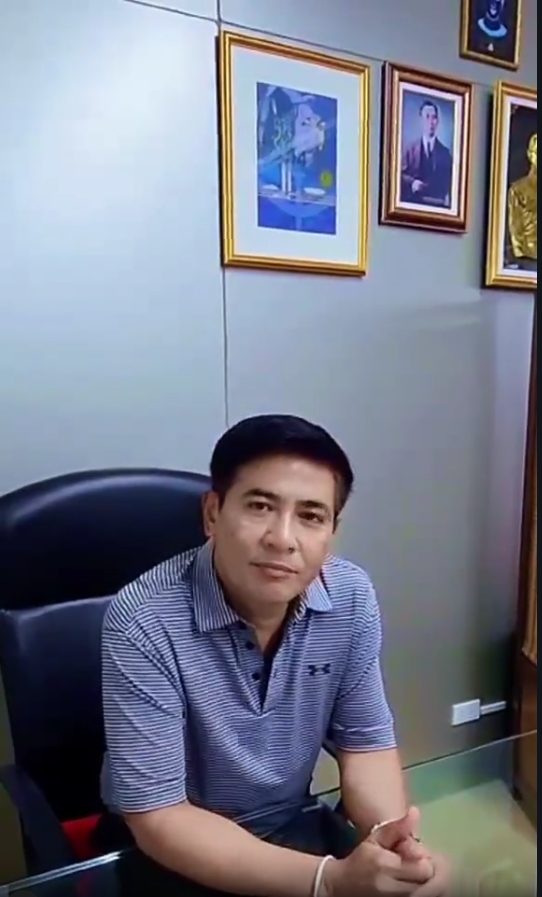
PerfectionGeeks provided excellent service from start to finish. Their team was professional, easy to work with, and delivered exactly what we needed on time. We’re very pleased with the outcome and would gladly recommend them to others.
Thanaboon Mingkaew
CEO, SMART IOT
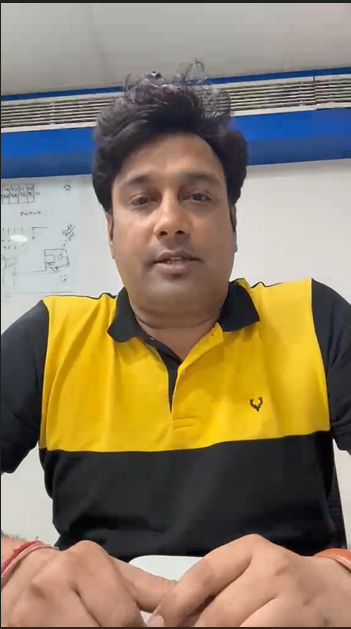
We partnered with PerfectionGeeks for a custom accounting automation software, and the experience was excellent. Their team delivered a high-quality solution that streamlined our operations and improved efficiency. Professional, skilled, and reliable — we’re already working with them on another project.
Saarthak Gupta
Founder, Ceos Accounting Services
As COO of TRP Construction Management, I’m proud of our growth from 300 to 16,000+ SKUs and 4,000+ vendors since 2022. Thanks to Shrey Bhardwaj and Perfection Geeks for delivering scalable, future-ready technology solutions that transformed our vision into a seamless pan-India platform. Highly recommended technology partner.
Mayank Pathak
COO, TRP Construction Management

PerfectionGeeks Technologies transformed our vision into reality with innovative technology solutions. Their professionalism, timely delivery, transparent communication, and commitment to quality made the entire collaboration smooth, reliable, and highly satisfying.
Armaan
Cofounder, Kzminer
I highly recommend PerfectionGeeks Technologies for mobile and web development services. Their expertise, dedication, creative ideas, and customer-focused approach helped our business achieve impressive digital growth successfully.
Chetna
Founder CEO , Klicked

Choosing PerfectionGeeks Technologies was the best decision for our company. Their skilled developers created a user-friendly platform, provided constant assistance, and ensured exceptional performance beyond our expectations every step.
Mark
CTO, IMSMART
Working with PerfectionGeeks Technologies was an excellent experience. Their team delivered our project on time with outstanding quality, smooth communication, innovative solutions, and professional support throughout the entire development process.
Naveen
Founder Director , Way2Kart

PerfectionGeeks Technologies delivered a smooth, professional experience with excellent communication and technical expertise. Their team understood project requirements clearly, provided timely updates, and ensured high-quality results that exceeded expectations.
Srinivasa Mothay
CTO, Sethu Fishries

PerfectionGeeks Technologies impressed with their innovative solutions, responsive support, and commitment to quality. The team handled every detail professionally, delivered on time, and created a seamless experience from start to finish.
Mervin
Cofounder & CTO, Clover Infinity