Predictive Analytics
Utilizing data to forecast challenges in the change process.
AI in change management refers to the integration of artificial intelligence technologies to facilitate and enhance the process of organizational change. By utilizing predictive analytics and employee sentiment analysis, organizations can better understand the impact of change initiatives, track employee adoption, and improve communication throughout the transformation process. AI-driven tools offer insights that help in crafting tailored change strategies, ensuring smooth transitions, and driving digital transformation effectively. As enterprises look to adopt AI, embracing these advanced methodologies proves essential for successful change management.
What is AI in Change Management?
Discover how AI revolutionizes the change management landscape.
Utilizing data to forecast challenges in the change process.
Assessing employee feelings to drive effective change strategies.
Enhancing internal communication for smoother transitions.
Automating processes to reduce resistance and increase efficiency.
Harness data-driven insights to enhance change strategies.
Predictive analytics in change management empowers organizations to foresee potential challenges, enabling proactive strategies for smoother transitions. By analyzing historical data, businesses can identify patterns and trends that inform their change initiatives. This approach not only mitigates risks but also enhances employee engagement by ensuring their concerns are addressed timely.
Identify potential risks early to develop effective mitigation strategies.
Enhance employee involvement by addressing their concerns proactively.
Leverage analytics to guide strategic decisions and improve outcomes.
Utilize insights from predictive analytics to drive successful change initiatives.
Evaluate various AI-driven tools for tracking employee feedback and sentiment.
| Tool | Features |
|---|---|
| Predictive Analytics Tool | Analyzes historical data to predict employee sentiment trends. |
| Sentiment Analysis Software | Utilizes machine learning to assess employee feedback in real-time. |
| AI Communication Platform | Facilitates open channels for employee feedback and sentiment reporting. |
| Feedback Tracking System | Tracks changes in employee sentiment over time to support strategic decisions. |
Transform your organizational communication with AI-driven tools.
Utilize data-driven insights to anticipate change-related risks.
Gauge employee reactions to changes for a smoother transition.
Identify potential pitfalls in the change management process.
Evaluate the effects of proposed changes on the organization.
At PerfectionGeeks, we understand that effective change management requires a workforce that is well-equipped and trained to navigate new systems and processes. Our personalized training programs leverage AI technologies to assess individual learning needs, ensuring that employees gain the skills necessary for seamless adaptation to organizational changes. From AI communication tools to employee sentiment analysis, our comprehensive training strategies foster a culture of continuous improvement and engagement during transformation initiatives.
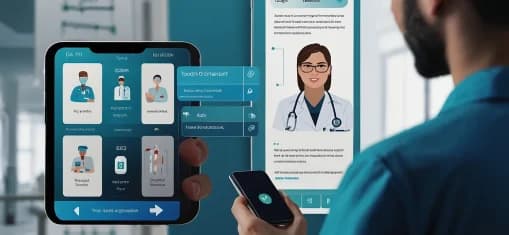
Customized training modules designed to meet specific employee needs.
Monitor employee progress and adapt training strategies accordingly.
Foster teamwork through interactive training sessions and workshops.
Recognize and reward employee achievements in mastering new skills.
Transforming Organizational Change with AI Solutions
Utilizing data to predict potential challenges in change initiatives, allowing proactive measures.
AI tools analyze employee feedback to assess attitudes towards changes and identify areas needing support.
Facilitating effective communication across teams, ensuring everyone is informed and engaged during transitions.
AI Change Management Workflow
AI in change management plays a crucial role in understanding employee sentiment and behavior during organizational transformations. By leveraging predictive analytics, organizations can identify potential challenges and adapt their strategies accordingly. AI-driven sentiment analysis helps gauge employee feelings towards changes, ensuring that communication is tailored and effective. Moreover, AI tools can track change adoption, providing insights into how well employees are adjusting to new processes. This proactive approach not only facilitates smoother transitions but also enhances overall employee satisfaction and productivity.
Leveraging AI to Forecast Change Outcomes


In the realm of change management, automated communication and engagement tools powered by AI are essential for fostering a transparent and collaborative work environment. By leveraging AI communication tools, organizations can streamline their messaging, ensure consistent updates, and enhance employee engagement during transitions. These tools facilitate real-time feedback and sentiment analysis, allowing managers to gauge employee reactions and adapt strategies accordingly. Furthermore, AI-driven communication ensures that every employee receives relevant information tailored to their roles, which is crucial for effective change adoption and overall success in enterprise transformation.
Real-Time Feedback
Collect instant feedback from employees to understand their concerns and sentiments.
Targeted Messaging
Deliver personalized updates and information to specific employee groups.
Sentiment Analysis
Utilize AI tools to analyze employee sentiments regarding changes.
Seamless Integration
Integrate communication tools with existing platforms for better workflow.
Enhancing AI-Driven Change Management Processes
A Comparative Analysis of Approaches
| Aspect | AI-Driven Change Management | Traditional Change Management |
|---|---|---|
| Adaptability | Highly adaptable, leveraging real-time data and AI insights. | Less adaptable, relying on established processes and manual interventions. |
| Efficiency | Streamlined processes through automation and predictive analytics. | Often slower due to manual processes and limited data utilization. |
| Data Utilization | Utilizes big data for insights and employee sentiment analysis. | Limited data use, primarily based on historical trends and qualitative feedback. |
| Employee Engagement | Enhances engagement through personalized AI tools and support. | Engagement strategies often generalized and less tailored. |
| Change Adoption Tracking | Real-time tracking of change adoption metrics using AI. | Post-implementation tracking often lacks immediacy and precision. |
Explore advanced tools and technologies that drive AI-powered change management.
Pricing & Timelines
Starter
Most Popular
Enterprise
Real-world applications of AI in change management showcase its potential.
Future of AI in Change Management
Accelerate your change initiatives with AI solutions tailored for success.
PerfectionGeeks provided excellent service from start to finish. Their team was professional, easy to work with, and delivered exactly what we needed on time. We’re very pleased with the outcome and would gladly recommend them to others.
Thanaboon Mingkaew
CEO, SMART IOT
We partnered with PerfectionGeeks for a custom accounting automation software, and the experience was excellent. Their team delivered a high-quality solution that streamlined our operations and improved efficiency. Professional, skilled, and reliable — we’re already working with them on another project.
Saarthak Gupta
Founder, Ceos Accounting Services
As COO of TRP Construction Management, I’m proud of our growth from 300 to 16,000+ SKUs and 4,000+ vendors since 2022. Thanks to Shrey Bhardwaj and Perfection Geeks for delivering scalable, future-ready technology solutions that transformed our vision into a seamless pan-India platform. Highly recommended technology partner.
Mayank Pathak
COO, TRP Construction Management

PerfectionGeeks Technologies transformed our vision into reality with innovative technology solutions. Their professionalism, timely delivery, transparent communication, and commitment to quality made the entire collaboration smooth, reliable, and highly satisfying.
Armaan
Cofounder, Kzminer

I highly recommend PerfectionGeeks Technologies for mobile and web development services. Their expertise, dedication, creative ideas, and customer-focused approach helped our business achieve impressive digital growth successfully.
Chetna
Founder CEO , Klicked

Choosing PerfectionGeeks Technologies was the best decision for our company. Their skilled developers created a user-friendly platform, provided constant assistance, and ensured exceptional performance beyond our expectations every step.
Mark
CTO, IMSMART

Working with PerfectionGeeks Technologies was an excellent experience. Their team delivered our project on time with outstanding quality, smooth communication, innovative solutions, and professional support throughout the entire development process.
Naveen
Founder Director , Way2Kart

PerfectionGeeks Technologies delivered a smooth, professional experience with excellent communication and technical expertise. Their team understood project requirements clearly, provided timely updates, and ensured high-quality results that exceeded expectations.
Srinivasa Mothay
CTO, Sethu Fishries

PerfectionGeeks Technologies impressed with their innovative solutions, responsive support, and commitment to quality. The team handled every detail professionally, delivered on time, and created a seamless experience from start to finish.
Mervin
Cofounder & CTO, Clover Infinity