
Published 12 June 2026 | Updated 16 June 2026
Digital Compliance
Understanding Social Media Copyright Rules
In the ever-evolving landscape of digital content creation, understanding social media copyright rules is paramount for content creators, marketers, and social media managers. These rules dictate how original content can be utilized across various platforms, ensuring that the rights of creators are respected while promoting a fair and innovative digital environment. Navigating this complex terrain involves a keen awareness of copyright laws, the implications of the DMCA, and the necessity of adhering to specific platform policies. This guide provides a comprehensive overview of the essential components of social media copyright, enabling you to protect your intellectual property while effectively engaging your audience.
Transform Your Digital Experience
- Social media copyright rules govern the use of creative content on platforms.
- Understanding these rules is crucial for content creators and marketers.
- The DMCA provides a framework for addressing copyright infringement.
- Compliance with platform policies is essential to avoid penalties.
- Fair use guidelines can sometimes protect users against copyright claims.
- Intellectual property rights must be respected to maintain digital content integrity.
- Misunderstanding copyright can lead to legal repercussions.
- Educating teams on social media compliance guidelines is vital for effective content management.
What is Social Media Copyright?
Social media copyright refers to the legal protections granted to original works shared on digital platforms. This includes text, images, videos, and other creative outputs. Copyright law ensures that creators maintain ownership of their content, preventing unauthorized use by others. As content sharing becomes increasingly prevalent, understanding these rights is crucial for anyone involved in digital marketing or content creation.
Types of Protected Content
Various types of content are protected under copyright laws. These include:
- Textual Works: Articles, blogs, and social media posts.
- Visual Art: Photographs, illustrations, and infographics.
- Audio and Video: Music, podcasts, and video content.
- Software and Code: Applications and website designs.
Each type of content carries its own set of copyright rules and considerations.
How Copyright Works Online
Copyright protection is automatic upon the creation of a work, meaning that as soon as you create content, you hold the copyright to it. However, this protection can be complex online due to the ease of sharing and replicating content. It's essential to understand that copyright infringement occurs when someone uses your work without permission. This can lead to legal consequences, including takedown notices or lawsuits.
Plagiarism vs Fair Use
Plagiarism involves taking someone else's work or ideas and presenting them as your own, which is an ethical violation. Fair use, on the other hand, allows limited use of copyrighted material without permission for specific purposes, such as commentary, criticism, or education. Understanding the distinction between these two concepts is vital for content creators to avoid legal pitfalls.
DMCA and Takedown Process
The Digital Millennium Copyright Act (DMCA) provides a framework for copyright protection online. It allows copyright holders to request the removal of infringing content through a formal takedown process. If your content is removed, you have the right to contest the takedown by filing a counter-notice, provided you believe your content was removed unjustly. Familiarizing yourself with the DMCA process is essential for both protecting and asserting your rights.
Platform Policies (Meta, YouTube, X)
Each social media platform has its own copyright policies that users must adhere to:
| Platform | Policy Overview | Key Considerations |
|---|---|---|
| Meta (Facebook/Instagram) | Allows users to share original content but has strict rules against copyright infringement. | Understand the rights you grant to Meta when posting. |
| YouTube | Utilizes a Content ID system to detect copyrighted material. | Monetization may be affected by copyright claims. |
| X (formerly Twitter) | Encourages original content sharing but protects user rights. | Be aware of potential for content removal or suspension. |
Common Copyright Violations
Common violations include:
- Using copyrighted music in videos without permission.
- Sharing images without proper attribution or licensing.
- Copying text from blogs or articles without citation.
Being aware of these violations can help you avoid legal issues and maintain a positive online presence.
Best Practices for Creators
To navigate the complexities of social media copyright successfully, consider the following best practices:
- Always create original content: This is the best way to ensure you own the rights to your work.
- Use licensed material: If using someone else's content, ensure you have the proper licenses or permissions.
- Stay informed: Regularly review copyright laws and platform policies to remain compliant.
- Educate your team: Ensure that everyone involved in content creation understands copyright rules and best practices.
By following these guidelines, you can protect your intellectual property and contribute positively to the digital landscape.
Decision Guide
Choose the following paths based on your content creation needs:
- Choose original content creation if you want full control over your work and to avoid copyright issues.
- Choose licensed material if you want to use existing content while ensuring compliance with copyright laws.
- Choose to educate your team if you want to foster a culture of compliance and creativity in your organization.
Frequently Asked Questions
Quick answers related to this article from PerfectionGeeks.
1. What are the key copyright rules for social media content?
2. How can I avoid copyright violations on social media platforms?
3. What constitutes fair use in social media content sharing?
4. What steps can I take to protect my intellectual property online?
5. What should I do if my content is taken down due to a copyright claim?
Conclusion
In conclusion, adhering to social media copyright rules is crucial for anyone sharing content online. Failure to comply can lead to significant legal challenges, including copyright infringement claims. Here are some practical guidelines to help navigate this landscape:
- Familiarize yourself with the DMCA and its implications for your content.
- Understand the specific platform policies of the social media sites you use.
- Assess whether your content falls under the fair use provision.
- Ensure that you have the necessary rights or licenses for content you share.
- Regularly review your content for compliance as laws and platform rules may change.
For comprehensive support on digital compliance and content management, contact PerfectionGeeks today. We can help ensure your social media strategy aligns with copyright requirements.
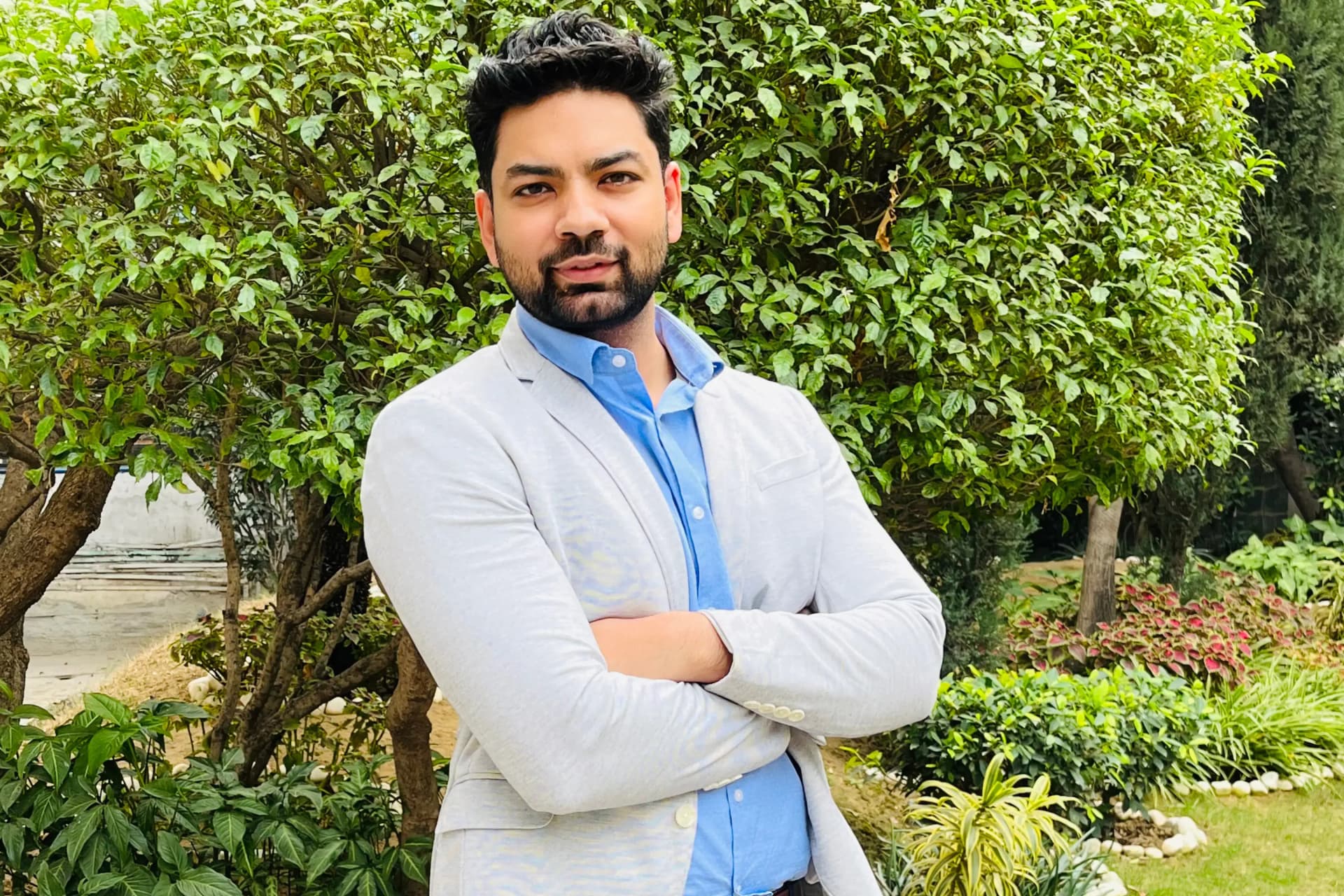
Written By Shrey Bhardwaj
Director & Founder
Shrey Bhardwaj is the Director & Founder of PerfectionGeeks Technologies, bringing extensive experience in software development and digital innovation. His expertise spans mobile app development, custom software solutions, UI/UX design, and emerging technologies such as Artificial Intelligence and Blockchain. Known for delivering scalable, secure, and high-performance digital products, Shrey helps startups and enterprises achieve sustainable growth. His strategic leadership and client-centric approach empower businesses to streamline operations, enhance user experience, and maximize long-term ROI through technology-driven solutions.