UI/UX Design Services Trusted by Startups & Enterprises Worldwide
PerfectionGeeks is a leading UI/UX design services company and Figma design partner helping product teams in the US, UK, Europe, UAE, and Singapore build digital experiences that convert. Our UX designers combine user research, interaction design, and rigorous testing to deliver interfaces that are intuitive, accessible, and measurable. We deliver every project in Figma — with full component libraries, design tokens, and developer handoff. Whether you are a funded startup or a Fortune 500 enterprise, we design products your users love — and your business can measure.
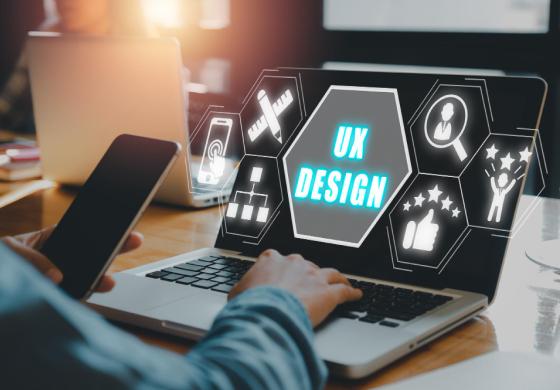
WHAT IS UI/UX DESIGN?
Together, UI and UX design determine whether a digital product succeeds or fails in real users’ hands.
User Interface (UI)
UI (User Interface) design focuses on the visual and interactive elements users engage with directly—buttons, layouts, typography, color systems, and interface components.
Key Components
- Visual Hierarchy & Spacing
- Typography & Color Theory
- Interactive Component Design
- Responsive Grid Systems
- Iconography & Assets
User Experience (UX)
UX (User Experience) design focuses on the entire journey a user takes while interacting with a product—how they navigate, what they feel, and whether they can achieve their goals efficiently
Key Components
- User Research & Personas
- Information Architecture
- User Flow & Journey Mapping
- Low-Fidelity Wireframing
- Usability Testing & Feedback
UI/UX Design Services for US, UK & European Businesses Scalable, Research-Driven
PerfectionGeeks empowers businesses worldwide with sophisticated user experiences that drive growth, enhance retention, and dominate diverse markets.
User Testing & Validation
We serve clients across:
Global Markets



Top Rated Team
Our UI/UX Design Services
We provide comprehensive design services for startups, SMEs, and enterprises worldwide, helping businesses build seamless digital experiences across platforms.

User Research & Strategy
Every successful product starts with understanding real users through interviews, behavior analysis, and journey mapping.
- Competitor research
- Data-driven insights

Wireframing & Architecture
Structuring the product experience before visual design begins to ensure users can easily find what they need.
- Layout planning
- Navigation flows

Mobile UI Design
Platform-specific design standards following Material Design 3 for Android and Apple Human Interface Guidelines for iOS.
- iOS & Android
- Cross-platform consistency

Visual UI & Interaction
Creating visually engaging interfaces using clean system, token-aligned typography, and micro-interactions.
- Animations
- Conversion-optimized UI

Prototyping & Testing
Validating product experiences through interactive prototypes and real user testing sessions before development.
- Interactive prototypes
- Validates ideas before development

Design Systems
Building reusable design systems including UI component libraries and design tokens for growing products.
- Scalable components
- Developer documentation
Industry Expertise
Our team has designed experiences across industries including:
E-commerce
Improved product discovery and checkout flows.
Healthcare
Accessible and compliant patient platforms.
Fintech
Secure and intuitive financial dashboards.
Logistics
Real-time tracking dashboards and workflow systems.
EdTech
Engaging learning experiences.
Travel
Seamless travel experiences.
DESIGN QUALITY
ISO 9241 — Ergonomics of Human-System Interaction
TRUSTED TECHNOLOGY STACK

"After redesigning our fintech onboarding experience, our team saw massive improvements."
45%
Increase in User Retention
60%
Higher Completion Rates
UI/UX Design Cost Breakdown
Transparent pricing for every stage of design
What Affects UI/UX Cost?
Understand what drives your design investment
UI/UX pricing goes beyond just the number of screens. Real cost depends on how complex your user journeys are and how much research and testing is required.
Number of Screens
More screens mean more design hours, asset creation, and iteration cycles.
Complexity of User Journeys
Multi-step flows, conditional logic, and edge cases require deeper UX planning.
Platform Requirements
Mobile, web, tablet, or cross-platform — each adds unique design considerations.
UX Research Depth
User interviews, competitor analysis, usability testing, and accessibility audits.
What Really Drives App Development Cost ?
- Real-time systems (chat, notifications, tracking)
- Advanced integrations (AI, APIs, third-party services)
- Multi-device testing & Android fragmentation
- Security, scalability & compliance requirements
App pricing isn’t just about screens or features—it’s about what happens behind them. The real cost depends on how complex, scalable, and performance-driven your app needs to be.
UI/UX Design Process (Double Diamond Framework)
Our design methodology follows the industry-standard Double Diamond Framework — widely used in product design to solve complex problems and create user-centered experiences.
Discovery
Understanding user problems, business goals, and product vision. We conduct stakeholder interviews, competitor analysis, and user research to lay a solid foundation.

Accessibility & UX Best Practices
PerfectionGeeks follows WCAG 2.2 accessibility standards to ensure inclusive digital experiences.
- 01-High-contrast typography
- 02-Screen-reader compatibility
- 03-Keyboard navigation support
- 04-Inclusive interface patterns
Screen Reader Ready
Keyboard First
High Contrast
Inclusive UI
Why US, UK & European Businesses Choose PerfectionGeeks for UI/UX Design
Companies worldwide trust PerfectionGeeks because of our experience, methodology, and measurable results.
8+ years of experience in crafting intuitive and scalable user experiences.
Successfully designed 200+ digital products for clients across multiple industries and regions.
We follow a dedicated UX research methodology to ensure user-centered and data-backed design decisions.
Expertise in transforming and improving existing applications for better usability, engagement, and performance.
We provide ongoing UX improvements to ensure your product evolves with user needs and market trends.
We ensure seamless and consistent user experiences across web, mobile, and multi-device platforms.
Benefits of Investing in Professional UX Design
Businesses investing in strong UX see measurable results:
01
35% reduction in support requests
Professional UX design minimizes user confusion and errors, leading to fewer support tickets and lower operational costs.
02
Higher App Store & Play Store ratings
Intuitive, well-designed apps receive better user reviews and higher ratings, improving visibility and download rates.
03
Stronger brand credibility
A seamless user experience builds trust and positions your brand as professional, reliable, and user-centric.
04
Higher conversion rates
Optimized user flows remove friction, guiding visitors smoothly toward desired actions like purchases or signups.
Frequently Asked Questions
Everything you need to know about working with PerfectionGeeks Technologies. Can't find an answer? Reach out to us.