What is Meant by Digital Design?
January 6,
11:30 AM
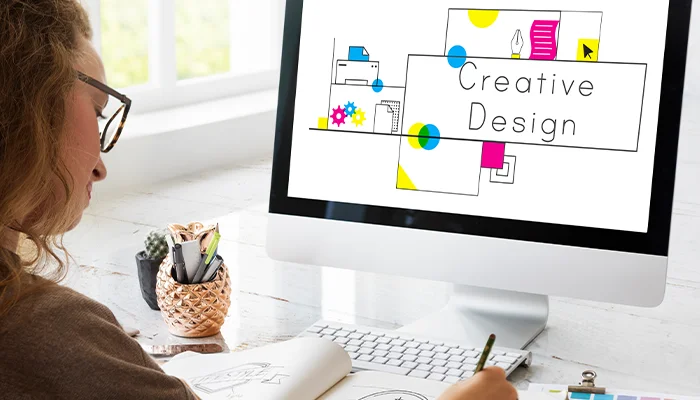
In today's hyper-connected world, digital design is the cornerstone of how we experience the internet and interact with brands.
It encompasses the visual and interactive elements that make websites, apps, and other digital platforms engaging and user-friendly.
Key Aspects of Digital Design:
- User Interface (UI) Design: This focuses on the visual elements of a digital product, such as layout, color schemes, typography, and imagery. The goal is to create an aesthetically pleasing and intuitive interface that is easy for users to navigate and understand.
- User Experience (UX) Design: This goes beyond aesthetics and considers the overall user journey. UX designers focus on how users interact with a product, ensuring that the experience is seamless, enjoyable, and effective. This includes factors like usability, accessibility, and overall satisfaction.
- Interaction Design: This deals with how users interact with digital elements, such as buttons, menus, and animations. The aim is to create intuitive and engaging interactions that make the user experience more enjoyable.
- Information Architecture: This involves organizing and structuring information in a clear and logical way. It ensures that users can easily find what they are looking for and navigate the digital product with ease.
- Responsive Design: With the rise of mobile devices, responsive design is crucial. It ensures that websites and apps adapt seamlessly to different screen sizes and orientations, providing an optimal viewing experience across all devices.
The Importance of Digital Design:
- Enhanced User Experience: Well-designed digital products are more enjoyable to use, leading to increased user satisfaction and engagement.
- Stronger Brand Identity: Digital design plays a vital role in shaping a brand's visual identity and communicating its message effectively.
- Improved Business Outcomes: A strong digital presence can drive conversions, increase customer loyalty, and ultimately boost business revenue.
- Competitive Advantage: In today's competitive market, businesses that invest in high-quality digital design can gain a significant edge over their competitors.
Digital Design in the Modern World:
Digital design is constantly evolving, with new technologies and trends emerging all the time. Some of the current trends include:
- Artificial Intelligence (AI) in Design: AI-powered tools are being used to automate tasks, personalize user experiences, and generate creative designs.
- Voice User Interfaces (VUIs): With the rise of voice assistants like Siri and Alexa, designing for voice interactions is becoming increasingly important.
- Augmented Reality (AR) and Virtual Reality (VR): AR and VR technologies are opening up new possibilities for immersive and interactive digital experiences.
Conclusion
Digital design is an essential aspect of the modern digital landscape. By investing in high-quality design, businesses can create engaging user experiences, build strong brands, and achieve their business goals. If you're looking for a Web Design Company that can help you create stunning and effective digital experiences, consider partnering with PerfectionGeeks Technologies. We have a team of experienced designers who can help you bring your vision to life.