How to Build an App Like Too Good To Go: A Complete Guide
March 17,
11:45 AM
Food waste is a major global issue, with millions of tons of food being discarded every year. Too Good To Go is one of the most successful food rescue apps tackling this problem by connecting restaurants, cafes, and grocery stores with consumers who can buy surplus food at discounted prices. If you're considering developing an app similar to Too Good To Go, this guide will walk you through the process—from understanding the Too Good To Go business model to launching your own food waste management app.
What is Too Good To Go?
Too Good To Go is a mobile app designed to reduce food waste by allowing food businesses to sell surplus meals at reduced prices instead of throwing them away. The app is popular across Europe and the USA, helping users find affordable, high-quality food while benefiting businesses by reducing losses.
Users can browse nearby restaurants, bakeries, and supermarkets offering leftover food at a discount, purchase through the app, and pick up their meals within a designated time window. This simple yet effective model has made Too Good To Go one of the most widely used food rescue platforms.
Understanding the Too Good To Go Business Model
If you plan to develop apps like Too Good To Go, it's essential to understand how the platform generates revenue and sustains operations.
Revenue Streams of Too Good To Go
Commission Fees – The app charges a small commission on each transaction made between businesses and customers.
Subscription Plans – Some businesses pay a monthly fee for premium features such as better app visibility and analytics.
Corporate Partnerships – Collaborations with major food chains, grocery stores, and sustainability organizations help expand reach and impact.
By understanding these revenue sources, you can structure your food waste management app development strategy effectively.
Key Features for Apps Like Too Good To Go
If you’re looking to create Too Good To Go similar apps, these features are essential for success:
1. User Registration & Profiles: Allow users to sign up via email or social media. Businesses should have separate profiles to list their surplus food.
2. Search and Filtering Options: Users should be able to filter food deals based on location, food type, dietary preferences, and price.
3. Real-Time Inventory Management: Businesses should be able to update their available food stock dynamically to avoid mismatched orders.
4. Secure Payment Gateway: Offer secure and convenient payment options, including credit/debit cards, digital wallets, and online banking.
5. Push Notifications: Users should receive real-time alerts about new food deals, pickup reminders, and special discounts.
6. Ratings & Reviews: Feedback from customers helps businesses improve their offerings and builds trust among new users.
7. Order Tracking & Management: Customers should be able to track their orders and receive real-time updates on pickup times.
8. Loyalty and Referral Programs: Encourage user engagement by rewarding repeat purchases and referrals to friends.
Steps to Build a Food Rescue App
Step 1: Market Research & Competitor Analysis
Study Too Good To Go competitors such as Olio, Karma, and Flashfood to identify market gaps and opportunities.
Step 2: Define Your Unique Value Proposition (UVP)
To stand out from other Too Good To Go alternatives, consider unique features like:
- AI-powered food matching based on user preferences
- Dynamic pricing that adjusts based on demand
- Partnerships with food banks to donate unclaimed food
Step 3: Choose the Right Technology Stack
For seamless food waste management app development, select the right technologies:
- Frontend: React Native or Flutter for cross-platform compatibility
- Backend: Node.js or Django for efficient performance
- Database: PostgreSQL or MongoDB for structured data management
- Cloud Services: AWS or Google Cloud for storage and scalability
Step 4: Partner with an App Development Company
A professional app development company ensures that your platform is secure, scalable, and user-friendly.
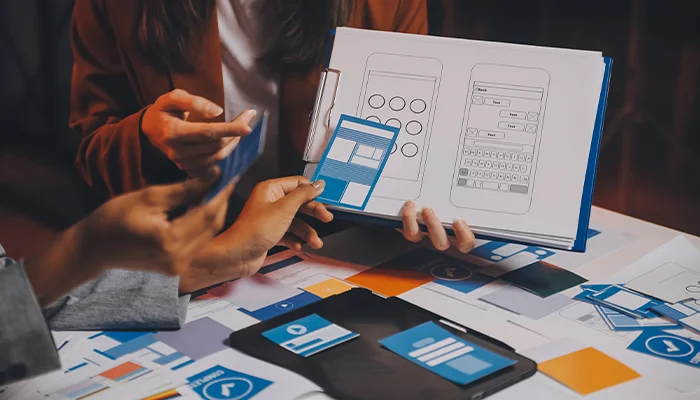
Step 5: UI/UX Design & Prototyping
A simple and engaging design will keep users coming back. Focus on:
- Intuitive navigation
- Easy onboarding
- Attractive visual elements
Use tools like Figma, Adobe XD, or Sketch to create an interactive prototype before full development.
Step 6: App Development & Testing
Once the prototype is approved, begin the development process. Follow an agile approach for efficient iteration and improvement. Conduct extensive testing for:
- Functionality – Ensuring all features work correctly
- Performance – Fast load times and smooth interactions
- Security – Protecting user data with encryption
Step 7: Launch & Marketing Strategy
Once the app is developed, launch it on iOS and Android app stores. Use a multi-channel marketing approach:
- SEO and Content Marketing – Target keywords like apps like Too Good To Go USA to attract local users.
- Social Media Promotions – Leverage Instagram, Facebook, and TikTok for brand awareness.
- Partnerships – Collaborate with restaurants and grocery chains for wider adoption.
Step 8: Monitor, Update & Scale
After launching, track user feedback and improve the app accordingly. Expand your reach by entering new markets and adding innovative features.
Challenges in Building a Food Waste Management App
1. Partnering with Businesses: Convincing restaurants and grocery stores to join your platform can be challenging. Offering incentives like reduced commission fees initially can help onboard partners.
2. User Adoption & Retention: Attracting users and keeping them engaged requires strategic marketing and loyalty programs.
3. Logistics & Pickup Coordination: Managing timely food pickups without delays is critical for maintaining customer satisfaction. Integrating GPS tracking and automated reminders can help.
4. App Scalability: As the user base grows, the app should handle increased traffic without performance issues. Cloud-based architecture ensures smooth scaling.
Conclusion
Developing apps like Too Good To Go requires careful planning, a solid business model, and the right technology. Whether you are looking at Too Good To Go competitors or creating a fresh food rescue app, prioritizing sustainability and customer convenience will increase your chances of success.
Partnering with an experienced app development company can ensure a seamless launch and long-term scalability. By focusing on food waste reduction, your app can make a significant impact while also being a profitable venture.
Frequently Asked Questions

Contact US!
India

Plot 378-379, Udyog Vihar Phase 4 Rd, near Nokia building, Electronic City, Phase IV, Sector 19, Gurugram, Haryana 122015



Copyright © 2026 PerfectionGeeks Technologies | All Rights Reserved | Policy