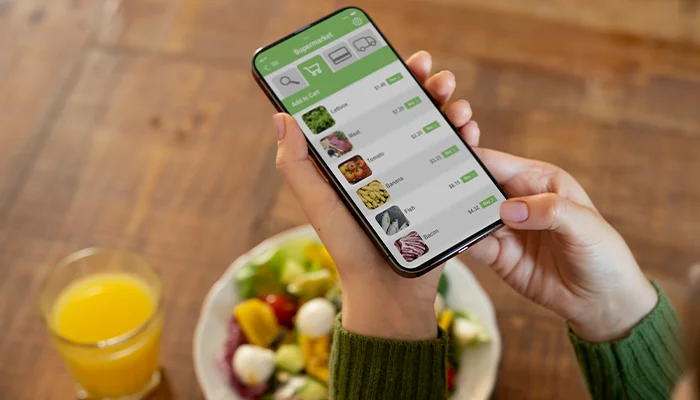
How to Build a Grocery Delivery App Like Merqueo
March 05,
11:10 AM
The grocery delivery industry has witnessed significant growth in recent years, driven by increasing consumer demand for convenience and digital shopping experiences. Apps like Merqueo Grocery App have revolutionized the market by providing seamless grocery shopping and fast deliveries. If you want to build a grocery delivery app, understanding the key development steps, required features, and cost considerations is essential.
In this blog, we will explore how to create a grocery delivery app like Merqueo, covering everything from planning and development to cost and marketing strategies.
Understanding the Grocery Delivery App Market
Before diving into app development, it is crucial to analyze the grocery delivery industry. Online grocery shopping has become increasingly popular, with users preferring apps for grocery delivery due to their convenience, variety, and time-saving benefits. The success of platforms like Merqueo highlights the growing need for efficient deliver groceries apps that cater to urban and suburban consumers.
Market research helps businesses identify target demographics, understand customer behavior, and analyze competitors. Studying top grocery delivery apps, including Merqueo, can provide insights into their business models, features, and strategies for customer retention.
Steps to Build a Grocery Delivery App Like Merqueo
1. Define Your Business Model
Selecting the right business model is crucial for developing a successful grocery delivery platform. Some of the common models include:
Aggregator Model – The app connects users with multiple grocery stores, allowing them to place orders and have groceries delivered by third-party couriers.
Inventory-Based Model – The company owns warehouses and manages its inventory, ensuring full control over product availability and quality.
Hybrid Model – A combination of both, where the platform collaborates with stores while also managing some inventory to optimize delivery services.
Choosing the right model depends on factors like investment capacity, supply chain capabilities, and target market. Merqueo Grocery App follows an inventory-based model, ensuring quick deliveries and quality control.
2. Identify Key Features
A well-designed grocery delivery app should have essential features that enhance user experience and ensure smooth operations.
User Panel Features
Easy Registration – Sign-up via email, phone number, or social media.
Smart Search & Filters – Allows users to find products quickly based on categories and preferences.
Shopping Cart & Wishlist – Enables users to add items for checkout or save them for later.
Multiple Payment Options – Secure payments via credit/debit cards, mobile wallets, and cash on delivery.
Real-Time Order Tracking – Users can monitor their deliveries in real-time.
Scheduled Deliveries – Allows customers to choose delivery time slots as per convenience.
Order History & Reordering – Provides easy access to previous orders for quick reordering.
Admin Panel Features
Dashboard & Analytics – Helps manage orders, sales, and customer insights.
Inventory Management – Ensures real-time stock updates.
Customer Support Management – Assists in handling user queries and complaints.
Promotion & Discount Management – Enables adding offers, promo codes, and discounts.
Delivery Partner Features
Delivery Request Management – Accept or reject delivery requests.
Navigation & Route Optimization – Helps find the shortest delivery routes.
Earnings Dashboard – Tracks earnings and completed deliveries.
3. Choose the Right Technology Stack
A high-performing grocery delivery app requires a robust technology stack to ensure smooth functionality and scalability. The following technologies are commonly used:
Frontend Development – React Native, Flutter, or Swift for iOS and Kotlin for Android.
Backend Development – Node.js, Python, or Ruby on Rails.
Database Management – MySQL, PostgreSQL, or Firebase.
Cloud Storage & Hosting – AWS, Google Cloud, or Microsoft Azure.
Payment Gateway Integration – Stripe, PayPal, Razorpay, or Google Pay.
Real-Time Tracking & Maps – Google Maps API, Mapbox, or OpenStreetMap.
Choosing the right tech stack ensures a smooth user experience and high app performance.
4. UI/UX Design for Seamless User Experience
A well-designed app with an intuitive user interface (UI) and smooth user experience (UX) can significantly enhance customer engagement. Some key design aspects include:
Minimalist and clean design for easy navigation.
High-quality product images and descriptions.
Quick checkout process with minimal steps.
Dark mode and accessibility options for diverse user preferences.
At PerfectionGeeks Technologies, we specialize in creating engaging UI/UX designs for grocery delivery apps, ensuring smooth navigation and user-friendly interfaces.
5. Develop and Test the App
Once the design and features are finalized, the development process begins. The app should be developed in stages, starting with a Minimum Viable Product (MVP) that includes essential features for testing.
After development, rigorous testing is required to identify and fix bugs before launch. Types of testing include:
Functional Testing – Ensures all features work as expected.
Performance Testing – Checks app speed and responsiveness.
Security Testing – Protects user data and prevents cyber threats.
Once testing is complete, the app is ready for deployment on Google Play Store and Apple App Store.
6. Launch and Marketing Strategies
A well-planned marketing strategy is essential to attract users and drive downloads. Effective marketing techniques include:
App Store Optimization (ASO) – Improves app ranking on Google Play Store and Apple App Store.
Social Media Marketing – Promotes the app on platforms like Facebook, Instagram, and LinkedIn.
Referral Programs & Discounts – Encourages users to invite friends by offering incentives.
Influencer Collaborations – Leverages industry influencers to promote the app.
Partnering with an experienced app development company like PerfectionGeeks Technologies can help businesses implement effective marketing strategies for a successful launch.
Cost to Build a Grocery Delivery App Like Merqueo
The cost to build a grocery delivery app depends on various factors, including:
App Complexity – Basic apps with standard features cost between $40,000 - $60,000, while advanced apps with AI-based recommendations, multiple payment gateways, and real-time analytics can exceed $100,000.
Development Team – Hiring a team of developers, designers, testers, and project managers affects overall costs. Outsourcing to a company like PerfectionGeeks Technologies ensures cost efficiency and high-quality development.
Third-Party Integrations – Payment gateways, real-time tracking, and API services add to the cost.
Post-Launch Maintenance – Regular updates, bug fixes, and customer support require additional investment.
At PerfectionGeeks Technologies, we offer tailored app development solutions based on your budget and business needs.
Conclusion
Creating a grocery delivery app like Merqueo requires careful planning, feature integration, and strategic marketing. By following the right development steps and choosing an expert app development company like PerfectionGeeks Technologies, businesses can launch a successful deliver groceries app that meets market demands.
If you are looking to create an online grocery store with advanced features and seamless performance, contact PerfectionGeeks Technologies today. Our expert team will help you turn your grocery delivery app idea into reality.




Contact US!
India

Plot 378-379, Udyog Vihar Phase 4 Rd, near Nokia building, Electronic City, Phase IV, Sector 19, Gurugram, Haryana 122015



Copyright © 2026 PerfectionGeeks Technologies | All Rights Reserved | Policy