How Much Does It Cost to Build a Driver Assistance System Like Tesla Autopilot?
May 23
10:30 AM
Tesla Autopilot has changed how we think about driving. It combines cameras, sensors, and smart software to create a semi-autonomous driving experience. With more businesses exploring this space, the big question is: how much does it cost to build a system like Tesla Autopilot? This blog breaks down the costs, key components, and what it takes to build your own autopilot app. We also discuss the technology behind Tesla’s driver assistance system and explore what sets it apart.
What Is Tesla Autopilot?
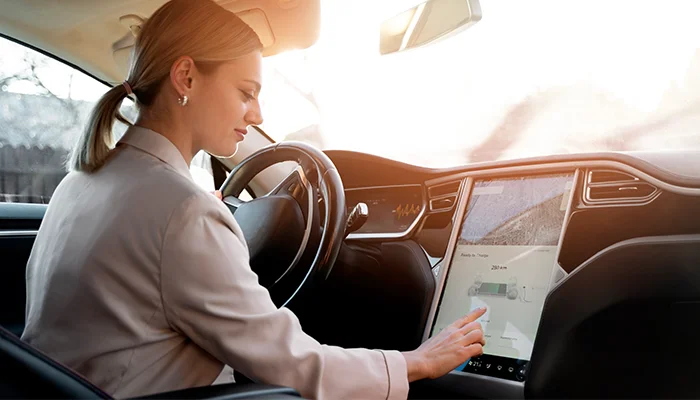
Tesla Autopilot is an advanced driver assistance system. It helps with tasks like steering, braking, and lane control. The system uses cameras, radar, and sensors to monitor the road. Combined with AI-powered software, it offers a smoother and safer drive. With a Tesla automatic car, drivers can use the Tesla app to control features like remote start, charging, and navigation. The growing popularity of these systems is pushing more companies to create their own versions.
Key Components of a Driver Assistance System Like Tesla Autopilot
Before we break down the cost, it’s essential to understand the core components required to build an ADAS similar to Tesla Autopilot:
Hardware Sensors: Cameras, radar, ultrasonic sensors, and LiDAR (optional but used by some competitors).
AI-Powered Software: Real-time image processing, sensor fusion, object detection, decision-making algorithms.
Data Infrastructure: Cloud platforms for data storage and edge computing.
Connectivity Modules: Vehicle-to-everything (V2X) communication and over-the-air (OTA) update functionality.
User Interface: Dashboard integration and mobile autopilot app access via smartphone (similar to the Tesla app).
Safety Protocols: Redundancies, fallback procedures, and compliance with global safety regulations.
Cost Breakdown for Building an Autopilot System
1. Hardware Development Costs
Hardware is one of the most expensive parts of an autonomous driving system. For a Tesla automatic car, the hardware suite includes multiple sensors and computing units. If you're developing from scratch, this can range between $8,000 to $20,000 per vehicle depending on the sophistication of the sensor array.
2. Software Development Costs
Developing AI-powered perception, decision-making, and control algorithms can cost $500,000 to over $2 million depending on the system complexity. It requires a team of AI engineers, data scientists, and real-time systems developers.
3. Data Collection and Training
Training the AI models used in systems like Tesla Autopilot requires massive amounts of data. This step alone can cost $200,000 to $500,000, not including the cost of cloud storage and labeling.
4. Mobile App Integration
Just like the Tesla app offers remote control features, your autopilot app should enable users to monitor vehicle status, receive alerts, and customize driving modes. Developing this can cost around $50,000 to $100,000.
5. Testing and Safety Compliance
Rigorous testing, both in simulation and real-world environments, is non-negotiable. Compliance with regulations can drive testing costs up to $500,000 or more.
6. Maintenance and Updates
Long-term support, OTA updates, and bug fixes are essential. Annual maintenance might cost $100,000 or more depending on the system's scale.
Total Estimated Cost
In total, building an advanced driver assistance system similar to Tesla Autopilot can range from $2 million to $5 million or more. Costs can vary based on geographic location, development team expertise, choice of hardware, and integration complexity.
This makes it a significant autopilot investment app project, suitable for businesses with long-term vision and the capacity for sustained R&D efforts.
Why Is Tesla Autopilot So Expensive?
Many people wonder: How much does Tesla self-driving cost? As of now, Tesla offers Full Self-Driving (FSD) capabilities as an add-on, typically priced around $12,000. That’s in addition to how much a Tesla costs upfront, which varies between $40,000 and $120,000 depending on the model.
Tesla’s investment in proprietary chips, neural networks, and continuous fleet learning has positioned it uniquely in the market. However, that doesn’t mean there’s no room for competition. With enough expertise and innovation, new players can emerge with affordable alternatives.
Key Challenges in Developing an Autopilot System
Despite the appeal, building a driver assistance system like Tesla Autopilot comes with substantial hurdles:
Tesla Autopilot Crash Cases: These incidents underline the importance of robust fail-safe mechanisms. You need to develop and test your system for thousands of driving hours before market release.
Ethical and Legal Concerns: Handling moral decisions (e.g., collision avoidance dilemmas) and navigating global regulatory environments is no small task.
High R&D Costs: The upfront investment required can be daunting for startups without proper funding.
Should You Invest in Building a Tesla Autopilot Alternative?
If you’re a company or entrepreneur aiming to innovate in the autonomous driving space, building an autopilot system can be a high-risk, high-reward opportunity. It requires not only a solid technical foundation but also a scalable infrastructure, continuous improvement strategies, and long-term funding.
However, the payoff is significant. As the automotive industry gradually shifts toward full autonomy, businesses offering competitive alternatives to Tesla with Autopilot will likely become valuable assets in the mobility ecosystem.
Final Thoughts
Building a driver assistance system like Tesla Autopilot is not cheap. It involves many moving parts: advanced sensors, powerful AI, and hours of testing. Still, with the right plan, it is possible. The total cost can run from $2 million to $5 million, depending on your system’s features and complexity. This investment could place your company at the front of the autonomous driving wave.
If you’re ready to explore this journey, PerfectionGeeks Technologies can help. We build smart, scalable systems using the latest AI and automotive tech.