Published 16 December 2025
Technology
The Role of VR Models in Creating Immersive Virtual Reality Experiences
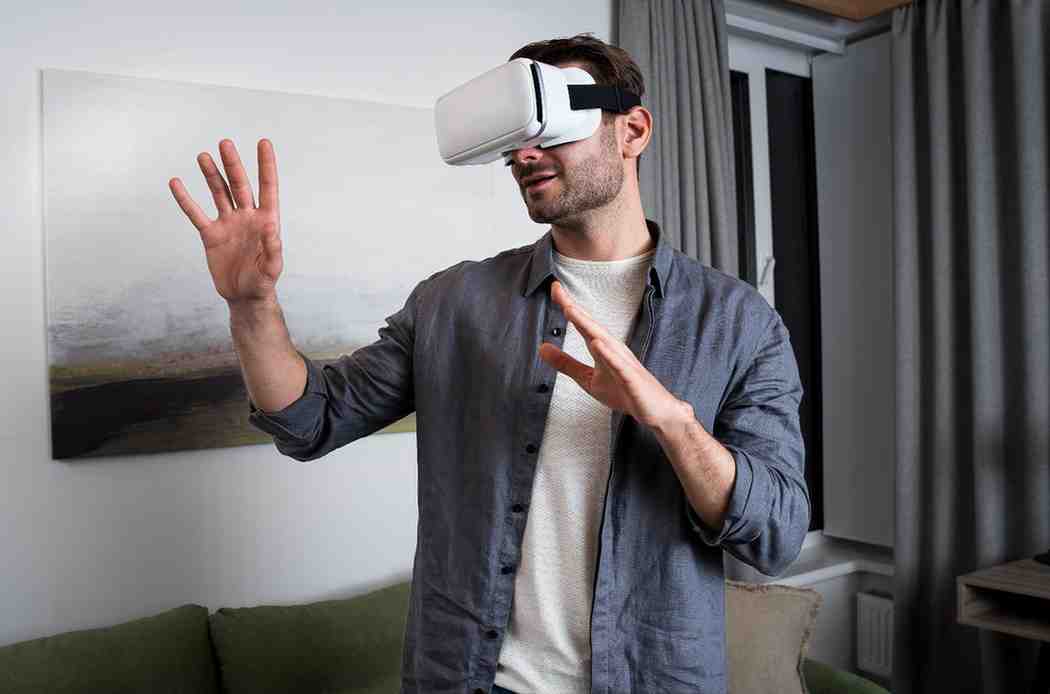
Virtual Reality has redefined how people interact with digital spaces by offering experiences that feel realistic, interactive, and deeply engaging. The success of any virtual reality application depends largely on the quality of its VR models. These models shape the visual depth, realism, and interactivity that users experience within a virtual world. Without carefully designed virtual reality models, immersion remains limited and unconvincing.
What Are VR Models?
VR models are three-dimensional digital assets created specifically for use in virtual reality applications. These include environments, objects, avatars, and interactive elements that users can see, explore, and interact with in real time. Unlike standard 3D assets, 3D models for virtual reality are optimized for real-time performance, user movement, and spatial awareness. Well-crafted virtual reality models help users feel present inside a virtual environment, making interactions feel natural rather than artificial.
Why VR Models Are Essential for Immersion
Immersion is the defining element of virtual reality, and VR models play a central role in achieving it.
Creating Realistic VR Environments: A detailed vr environment allows users to experience depth, scale, and spatial accuracy. High-quality VR models enhance visual realism through textures, lighting, and proportion, making the virtual space believable.
Enabling Interactive Experiences: VR models are designed to respond to user actions such as movement, touch, and gestures. This interactivity increases engagement and allows users to actively participate rather than passively observe.
Improving User Comfort: Optimized VR models help maintain smooth frame rates, reducing motion discomfort and improving overall usability. Performance optimization is a critical part of professional VR development.
The Role of VR Models in VR Development
VR development is a complex process that involves design, modeling, programming, and testing. VR models serve as the foundation upon which immersive experiences are built. Developers must ensure that virtual reality models are lightweight, visually appealing, and compatible with multiple VR devices. Professional VR development teams focus on polygon optimization, efficient texturing, and real-time rendering techniques to ensure that VR applications perform smoothly across platforms.
Companies like PerfectionGeeks specialize in delivering end-to-end VR development services, including custom VR models tailored to business goals, industry requirements, and user expectations.
VR Model Marketplaces and Asset Stores
Many developers source assets from platforms such as the vrmodels store, which offers ready-made VR models for various industries. These marketplaces provide a convenient starting point for development and reduce production time. However, businesses often look for a vrmodels alternative when they need custom-designed assets, better licensing flexibility, or unique branding. Custom VR models provide greater control over quality, performance, and scalability.
A frequently asked question among developers is, is vrmodels safe to use for commercial projects? Reputable asset stores follow standard licensing practices, but it is important to review usage rights, data security policies, and compatibility before integrating third-party models.
VR Content Creation and Supporting Tools
Successful vr content creation goes beyond visual design. It includes storytelling, interaction planning, and user experience design. VR models act as the building blocks of this creative process.
Modern vr content creation tools help designers and developers create, test, and refine VR assets efficiently. These tools support real-time previews, physics simulations, and cross-platform deployment, ensuring consistency across VR experiences.
Choosing the right tools and workflows ensures that VR models integrate seamlessly into the final application.
Industry Applications of VR Models
VR models are widely used across multiple industries, including:
Education and Training: Interactive simulations for skill development
Healthcare: Medical training and therapy environments
Real Estate: Virtual property walkthroughs
Retail and E-commerce: Product visualization and virtual showrooms
Manufacturing: Safety training and process simulation
In each use case, immersive virtual reality models enhance understanding, engagement, and decision-making.
Why Choose PerfectionGeeks for VR Model Development
PerfectionGeeks offers advanced VR development solutions focused on performance, realism, and scalability. The company specializes in creating high-quality VR models, immersive vr environments, and interactive experiences tailored to business needs.
With expertise in custom 3D models for virtual reality and enterprise-grade VR applications, PerfectionGeeks helps businesses deliver impactful virtual experiences that align with their objectives and brand identity.
Future Growth of VR Models
As VR technology continues to evolve, VR models are becoming more detailed, interactive, and intelligent. Integration with AI, real-time physics, and advanced rendering techniques is expanding the possibilities of immersive experiences. Businesses investing in high-quality VR models today are better positioned for long-term innovation and competitive advantage.
Frequently Asked Questions
Quick answers related to this article from PerfectionGeeks.
1. What are VR models?
2. Why are VR models important in VR development?
3. How does PerfectionGeeks support VR development?
Conclusion
VR models play a critical role in creating immersive virtual reality experiences. From realistic environments and interactive objects to performance optimization and storytelling, they shape how users engage with virtual worlds. By choosing the right assets, tools, and development partners like PerfectionGeeks, businesses can unlock the full potential of VR technology.

Shrey Bhardwaj is the Director & Founder of PerfectionGeeks Technologies, bringing extensive experience in software development and digital innovation. His expertise spans mobile app development, custom software solutions, UI/UX design, and emerging technologies such as Artificial Intelligence and Blockchain. Known for delivering scalable, secure, and high-performance digital products, Shrey helps startups and enterprises achieve sustainable growth. His strategic leadership and client-centric approach empower businesses to streamline operations, enhance user experience, and maximize long-term ROI through technology-driven solutions.