Predictive Analytics
Utilizing data to forecast health risks and optimize patient care.
At PerfectionGeeks, we specialize in harnessing AI to revolutionize early disease detection, empowering healthcare professionals with predictive analytics and advanced diagnostic tools.
AI in early disease detection leverages advanced technologies such as machine learning, deep learning, and predictive analytics to identify potential health risks before they manifest into severe conditions. By analyzing vast amounts of medical data, AI tools can enhance the accuracy of early diagnoses, particularly in critical areas like cancer and cardiovascular diseases.
Medical imaging AI plays a significant role in detecting anomalies in imaging tests, allowing for quicker and more precise evaluations. Predictive healthcare AI utilizes genomic data and biomarker detection to assess an individual's risk profile, enabling tailored prevention strategies. The integration of AI in preventive healthcare technologies not only improves patient outcomes but also optimizes resource allocation within healthcare systems, ultimately supporting clinical decision-making processes.
What is AI in Early Disease Detection?
Leveraging AI for Proactive Health Management
Utilizing data to forecast health risks and optimize patient care.
Enhancing diagnostic accuracy through advanced imaging technologies.
Implementing AI systems to identify cancerous changes at early stages.
Providing healthcare professionals with actionable insights for better outcomes.
Enhancing early disease detection through advanced imaging technologies.
AI is transforming medical imaging by improving accuracy in disease detection and diagnosis. By leveraging machine learning and deep learning algorithms, AI systems can analyze medical images more efficiently, leading to timely interventions and better patient outcomes. This innovation is particularly impactful in oncology, cardiology, and preventive healthcare, allowing for earlier diagnosis and treatment planning.
AI tools enhance the interpretation of radiological images, facilitating quicker and more accurate diagnoses.
AI helps in early detection of cardiovascular diseases through advanced imaging techniques.
AI-powered imaging systems support the early diagnosis of cancer, improving treatment outcomes.
AI's predictive analytics capabilities allow for proactive healthcare decisions based on imaging data.
Evaluating different AI solutions in predictive oncology
| AI Tool | Key Features |
|---|---|
| AI Medical Imaging Systems | Utilizes advanced imaging techniques to enhance early detection of tumors. |
| Predictive Analytics Platforms | Analyzes patient data to predict cancer risk and suggest early interventions. |
| AI Cancer Screening Tools | Employs machine learning to improve accuracy in identifying cancerous cells. |
| Genomics Analysis Tools | Focuses on identifying genetic markers associated with cancer predisposition. |
| Clinical Decision Support Systems | Provides healthcare professionals with data-driven insights for informed decision-making. |
Leveraging AI for early detection of cardiovascular diseases
AI models analyze patient data to predict neurological disease risk.
Machine learning aids in the early diagnosis of neurological disorders.
AI enhances medical imaging techniques for detecting neurological conditions.
AI-driven systems support clinicians in making informed decisions about patient care.
Genomics and biomarker analysis are at the forefront of AI in early disease detection, enabling healthcare professionals to identify diseases at their nascent stages. By leveraging advanced machine learning algorithms and deep learning techniques, we can analyze genetic data and biomarkers to predict disease susceptibility and progression. This not only enhances the accuracy of early diagnosis but also paves the way for personalized treatment strategies.
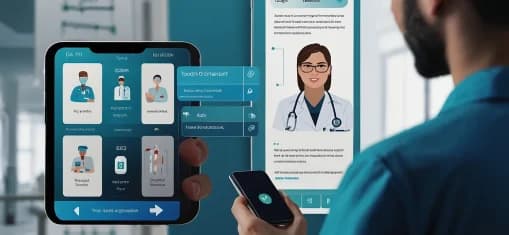
Utilizing AI to discover biomarkers that indicate disease presence.
Employing machine learning for comprehensive genomic data evaluation.
Creating predictive models to foresee disease risks based on genetic factors.
Tailoring treatment plans based on individual genomic profiles.
AI is reshaping the landscape of early disease detection by enhancing diagnostic capabilities.
AI analyzes vast amounts of data to identify risk factors and predict disease onset.
Deep learning algorithms assist in interpreting medical images for early diagnosis.
AI systems enhance the accuracy and speed of cancer diagnostics through image analysis.
AI Diagnostic Workflow
AI in early disease detection relies heavily on data processing and feature extraction, which are crucial for identifying patterns that indicate health anomalies. By utilizing advanced algorithms, AI systems can process vast amounts of medical data—including patient history, genomic data, and imaging results—to extract relevant features that aid in diagnosis. This process involves the application of machine learning and deep learning techniques, which enhance the precision of predictive analytics and facilitate early interventions. For example, in medical imaging AI, automated analysis of images allows for quicker and more accurate identification of conditions like cancer, leading to timely treatment. Additionally, predictive healthcare AI can help in stratifying patients based on their risk profiles, enabling healthcare providers to focus on preventive measures that are tailored to individual needs.
Innovative AI Models for Enhanced Early Diagnosis


Artificial Intelligence (AI) plays a crucial role in early disease detection by harnessing advanced machine learning and deep learning techniques. By analyzing vast amounts of health data, AI systems can identify patterns that may indicate the onset of diseases, enabling healthcare professionals to take proactive measures. For instance, in predictive analytics, AI can assess historical patient data to forecast potential health risks, leading to timely interventions. Additionally, AI-powered medical imaging systems enhance the early detection of conditions such as cancer by improving diagnostic accuracy and reducing false positives. This combination of technology not only improves patient outcomes but also optimizes resource allocation in healthcare facilities.
AI in Medical Imaging
Utilizing AI algorithms to enhance image analysis for early disease detection.
Predictive Analytics
Leveraging historical data to predict future health outcomes effectively.
Machine Learning Models
Employing machine learning to improve risk assessment and prediction accuracy.
Clinical Decision Support
AI systems providing healthcare professionals with actionable insights for patient care.
AI-driven solutions for improving clinical decision-making.
Transform your healthcare experience with advanced AI solutions.
Transforming Cardiovascular Diagnostics with AI Innovations
Leveraging AI Technologies for Enhanced Neurological Diagnostics
AI systems enhance the early detection of neurological disorders through comprehensive data analysis.
Implementing predictive analytics allows for better risk assessment in patients showing early symptoms.
Machine learning models are designed to identify subtle changes in patient health, facilitating early diagnosis.
AI-driven clinical decision support tools assist healthcare professionals in making informed treatment choices.
Harnessing AI for Early Detection of Respiratory Illnesses
AI technologies are playing a pivotal role in the early detection of respiratory diseases like asthma, pneumonia, and chronic obstructive pulmonary disease (COPD). By utilizing machine learning algorithms and advanced medical imaging, healthcare providers can analyze patient data, identify risk factors, and implement timely interventions.
Utilizes data to forecast respiratory disease risks in patients.
Enhances imaging techniques for clearer diagnosis of lung conditions.
Streamlines the diagnostic process for faster treatment decisions.
Provides healthcare professionals with AI-driven recommendations.
Evaluating various AI tools for effective disease detection.
| AI Technology | Key Features |
|---|---|
| Predictive Analytics | Utilizes historical data to forecast disease outbreaks and trends. |
| Medical Imaging AI | Enhances image analysis for accurate diagnosis of diseases. |
| Machine Learning Algorithms | Learns from data patterns to improve diagnostic accuracy over time. |
| Clinical Decision Support Systems | Provides actionable insights to aid healthcare professionals in decision-making. |
| Genomic Data Analysis | Analyzes genetic information to identify predispositions to diseases. |
A Detailed Comparison of Approaches
| Criteria | AI in Early Disease Detection | Traditional Diagnosis |
|---|---|---|
| Speed | Rapid analysis of large datasets for quicker diagnosis. | Typically slower due to manual processes and limited data analysis capabilities. |
| Accuracy | High accuracy with machine learning algorithms reducing false positives. | Variable accuracy, often dependent on human judgment and experience. |
| Data Utilization | Utilizes vast amounts of data, including genomics and imaging. | Limited to available clinical data and historical patient information. |
| Cost Efficiency | Potentially lower long-term costs by reducing late-stage treatments. | Can incur high costs due to late diagnosis and extended treatment plans. |
| Preventive Care | Focuses on early detection to enable preventive measures. | Reactive approach primarily addressing existing conditions. |
Explore the essential technologies driving AI advancements in early disease detection.
Pricing & Timelines
Smart Healthcare
Preventive Care
Medical Innovation
Real-world applications of AI technologies in healthcare.
Future of AI in Early Disease Detection
Partner with PerfectionGeeks to leverage AI for early disease detection.
PerfectionGeeks provided excellent service from start to finish. Their team was professional, easy to work with, and delivered exactly what we needed on time. We’re very pleased with the outcome and would gladly recommend them to others.
Thanaboon Mingkaew
CEO, SMART IOT
We partnered with PerfectionGeeks for a custom accounting automation software, and the experience was excellent. Their team delivered a high-quality solution that streamlined our operations and improved efficiency. Professional, skilled, and reliable — we’re already working with them on another project.
Saarthak Gupta
Founder, Ceos Accounting Services
As COO of TRP Construction Management, I’m proud of our growth from 300 to 16,000+ SKUs and 4,000+ vendors since 2022. Thanks to Shrey Bhardwaj and Perfection Geeks for delivering scalable, future-ready technology solutions that transformed our vision into a seamless pan-India platform. Highly recommended technology partner.
Mayank Pathak
COO, TRP Construction Management
PerfectionGeeks Technologies transformed our vision into reality with innovative technology solutions. Their professionalism, timely delivery, transparent communication, and commitment to quality made the entire collaboration smooth, reliable, and highly satisfying.
Armaan
Cofounder, Kzminer

I highly recommend PerfectionGeeks Technologies for mobile and web development services. Their expertise, dedication, creative ideas, and customer-focused approach helped our business achieve impressive digital growth successfully.
Chetna
Founder CEO , Klicked

Choosing PerfectionGeeks Technologies was the best decision for our company. Their skilled developers created a user-friendly platform, provided constant assistance, and ensured exceptional performance beyond our expectations every step.
Mark
CTO, IMSMART

Working with PerfectionGeeks Technologies was an excellent experience. Their team delivered our project on time with outstanding quality, smooth communication, innovative solutions, and professional support throughout the entire development process.
Naveen
Founder Director , Way2Kart

PerfectionGeeks Technologies delivered a smooth, professional experience with excellent communication and technical expertise. Their team understood project requirements clearly, provided timely updates, and ensured high-quality results that exceeded expectations.
Srinivasa Mothay
CTO, Sethu Fishries

PerfectionGeeks Technologies impressed with their innovative solutions, responsive support, and commitment to quality. The team handled every detail professionally, delivered on time, and created a seamless experience from start to finish.
Mervin
Cofounder & CTO, Clover Infinity