Flexibility
Agile allows for changes throughout the project, while Waterfall is rigid once the phases are set.
Agile vs Waterfall: Agile is characterized by its iterative process, allowing teams to adapt to changes quickly and deliver incremental value through methods like Scrum and Kanban. It promotes continuous integration and delivery, fostering close collaboration with customers throughout the project lifecycle. In contrast, Waterfall is a traditional model that progresses through distinct phases: requirement gathering, system design, implementation, testing, deployment, and maintenance. This approach is more rigid, with a focus on thorough documentation and risk management. While Agile is often preferred for projects requiring flexibility, Waterfall is typically chosen for projects with strict regulatory requirements or well-defined scopes.
Understanding the differences between Agile and Waterfall methodologies.
| Feature | Agile | Waterfall |
|---|---|---|
| Planning | Iterative and flexible planning with ongoing adjustments. | Sequential planning with defined phases. |
| Flexibility | Highly adaptable to changes throughout the project. | Less flexible; changes can be costly once phases are completed. |
| Development Lifecycle | Continuous development with regular iterations and feedback. | Linear progression through distinct phases. |
| Customer Involvement | High involvement with regular feedback loops. | Limited involvement until the testing phase. |
| Documentation | Less emphasis on documentation; focus on working software. | Thorough documentation throughout all phases. |
| Testing | Continuous testing and integration throughout the process. | Testing is performed after completion of development phases. |
| Risk Management | Frequent risk assessments and adjustments based on feedback. | Risk assessment primarily at the start of the project. |
| Cost | Potential for higher costs due to ongoing changes. | Defined costs based on initial project scope. |
| Delivery Timelines | Frequent releases and updates with shorter timelines. | Single delivery at the end of the project timeline. |
| Scalability | Highly scalable for changes in project scope. | Scalability can be challenging once the project is underway. |
What Is Agile?
What Is Waterfall?
Explore the essential differences between Agile and Waterfall approaches.
Agile and Waterfall are two prominent software development methodologies, each with its own strengths and weaknesses. Agile is characterized by its iterative process, promoting flexibility and customer collaboration. In contrast, Waterfall follows a linear and sequential approach, emphasizing thorough documentation and upfront planning. Understanding these differences can help businesses choose the right methodology for their projects.
Agile allows for changes throughout the project, while Waterfall is rigid once the phases are set.
Agile promotes continuous customer feedback, whereas Waterfall involves customers mainly at the project's start and end.
Agile uses iterative cycles (sprints), while Waterfall follows a linear progression through distinct phases.
Waterfall emphasizes comprehensive documentation, while Agile focuses on essential documentation.
Why Agile is the Preferred Choice for Modern Software Development
Waterfall provides a clear framework for project execution, making it easy to track progress.
This methodology excels in projects with stable requirements, minimizing scope creep.
Waterfall emphasizes comprehensive documentation, enhancing project governance and knowledge transfer.
The sequential nature of Waterfall allows for accurate project timelines and resource allocation.
Agile is perfect for projects needing adaptability and iterative development.
Waterfall excels in projects with clear, fixed requirements and detailed planning.
Agile promotes regular feedback and collaboration with customers throughout the project.
Waterfall's sequential phases ensure thorough documentation and risk management.
Explore how different industries benefit from Agile and Waterfall approaches.

Explore the essential tools for effective project management.
How PerfectionGeeks Delivers Successful Software Projects
Choose the right methodology for your project's success.
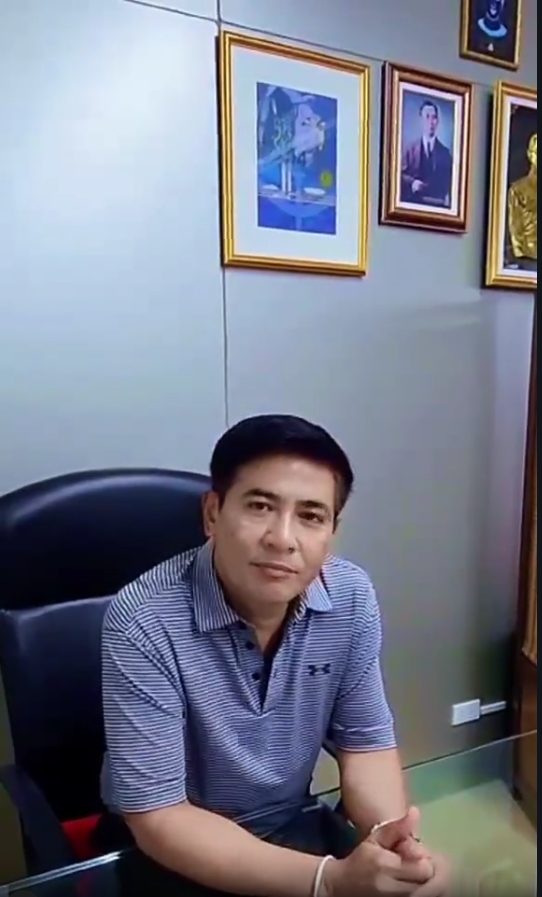
PerfectionGeeks provided excellent service from start to finish. Their team was professional, easy to work with, and delivered exactly what we needed on time. We’re very pleased with the outcome and would gladly recommend them to others.
Thanaboon Mingkaew
CEO, SMART IOT
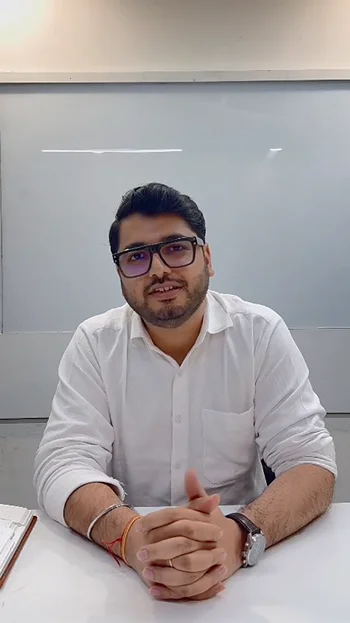
We partnered with PerfectionGeeks for a custom accounting automation software, and the experience was excellent. Their team delivered a high-quality solution that streamlined our operations and improved efficiency. Professional, skilled, and reliable — we’re already working with them on another project.
Saarthak Gupta
Founder, Ceos Accounting Services
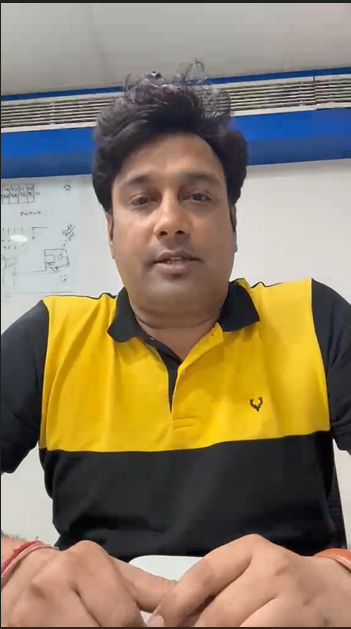
As COO of TRP Construction Management, I’m proud of our growth from 300 to 16,000+ SKUs and 4,000+ vendors since 2022. Thanks to Shrey Bhardwaj and Perfection Geeks for delivering scalable, future-ready technology solutions that transformed our vision into a seamless pan-India platform. Highly recommended technology partner.
Mayank Pathak
COO, TRP Construction Management

PerfectionGeeks Technologies transformed our vision into reality with innovative technology solutions. Their professionalism, timely delivery, transparent communication, and commitment to quality made the entire collaboration smooth, reliable, and highly satisfying.
Armaan
Cofounder, Kzminer
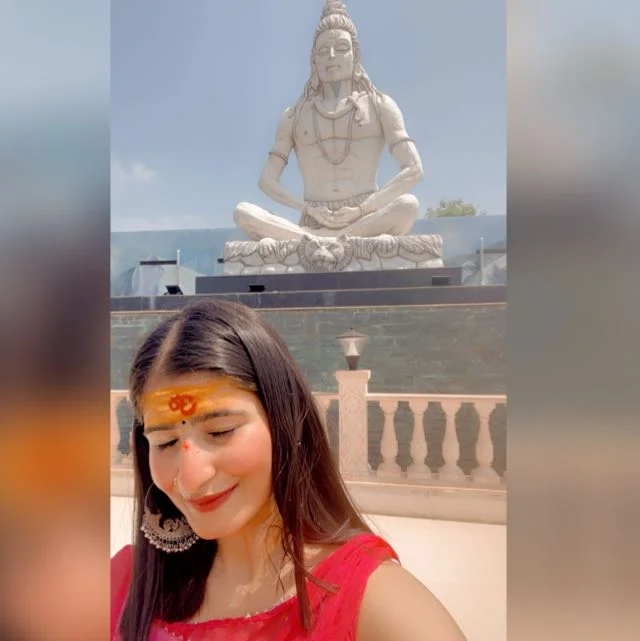
I highly recommend PerfectionGeeks Technologies for mobile and web development services. Their expertise, dedication, creative ideas, and customer-focused approach helped our business achieve impressive digital growth successfully.
Chetna
Founder CEO , Klicked

Choosing PerfectionGeeks Technologies was the best decision for our company. Their skilled developers created a user-friendly platform, provided constant assistance, and ensured exceptional performance beyond our expectations every step.
Mark
CTO, IMSMART
Working with PerfectionGeeks Technologies was an excellent experience. Their team delivered our project on time with outstanding quality, smooth communication, innovative solutions, and professional support throughout the entire development process.
Naveen
Founder Director , Way2Kart
PerfectionGeeks Technologies delivered a smooth, professional experience with excellent communication and technical expertise. Their team understood project requirements clearly, provided timely updates, and ensured high-quality results that exceeded expectations.
Srinivasa Mothay
CTO, Sethu Fishries

PerfectionGeeks Technologies impressed with their innovative solutions, responsive support, and commitment to quality. The team handled every detail professionally, delivered on time, and created a seamless experience from start to finish.
Mervin
Cofounder & CTO, Clover Infinity