Discovery Phase
The initial phase focuses on gathering requirements and understanding the target audience. This ensures that the project aligns with user needs and business objectives.
The PWA development process involves several critical stages to ensure that your application is fast, reliable, and engaging. At PerfectionGeeks, we start with discovery and requirements gathering, where we analyze your business needs and target audience. Following this, we move to UI/UX design, focusing on creating intuitive interfaces that enhance user experience.
Next, we handle architecture planning to lay a solid foundation for your app, followed by frontend development to build a responsive interface. We also integrate backend/API services to ensure smooth data handling. An essential part of the process is implementing service workers for offline functionality and push notifications, enhancing user engagement even without internet access.
After thorough testing to ensure performance and security, we proceed to deployment, making your app live. Finally, we provide ongoing maintenance to keep your application running smoothly and up-to-date.
Maximize Efficiency and Quality in Progressive Web Application Development
The initial phase focuses on gathering requirements and understanding the target audience. This ensures that the project aligns with user needs and business objectives.
Creating intuitive and engaging user interfaces is crucial. Well-designed UI/UX enhances user satisfaction and encourages more interactions with the app.
In this phase, frontend and backend development occurs. Implementing service workers for offline functionality is vital for a seamless user experience.
Comprehensive testing ensures that the application functions as intended across various devices and platforms. This step is essential for identifying and fixing bugs before launch.
The final stage involves deploying the PWA to a production environment. Careful planning during this phase helps in minimizing downtime and ensuring a smooth user transition.
Evaluate various methodologies for building Progressive Web Apps.
| Development Approach | Key Features |
|---|---|
| Agile Development | Flexible, iterative process that allows for quick adjustments based on feedback. |
| Waterfall Model | Linear approach with distinct phases, suitable for projects with clear requirements. |
| Prototype Model | Focuses on creating a working prototype for early feedback and revisions. |
| Rapid Application Development (RAD) | Emphasizes quick development and iteration through user feedback. |
| DevOps Approach | Combines development and operations for faster delivery and continuous improvement. |
A Step-by-Step Guide to Building Progressive Web Applications
We begin with a thorough discovery phase to understand your business goals and requirements. Our planning stage ensures that we lay a solid foundation for the PWA project, aligning it with your vision.
Our team crafts intuitive and engaging UI/UX designs that enhance user experience. We focus on creating visually appealing designs that are consistent across devices and platforms.
We utilize modern frameworks and technologies to develop the front end of your PWA. Our robust development ensures seamless performance and a responsive design that adapts to various screen sizes.
Integrating powerful back-end services and APIs is crucial for your PWA. We ensure smooth interaction between front-end and back-end components, enhancing functionality and performance.
Our rigorous testing process covers all aspects of functionality, performance, and security. We ensure your PWA is bug-free and ready for deployment, providing a seamless user experience.
Once your PWA is ready, we assist with the launch process and provide ongoing maintenance. Our post-launch support ensures your application remains up-to-date and performs optimally.
Pricing & Timelines
Estimated Timeline: 4-6 Weeks
Estimated Timeline: 8-12 Weeks
Estimated Timeline: 12+ Weeks
Explore how our PWA development process adapts to meet the unique needs of different sectors.

In the evolving landscape of web applications, the user interface (UI) and user experience (UX) are paramount, especially for Progressive Web Apps (PWAs). A modern PWA should embody principles that not only attract users but also retain them with intuitive interactions. These principles serve as a foundation for creating applications that are not only visually appealing but also functionally robust.Firstly, a responsive design is crucial. PWAs must adapt seamlessly across various devices, ensuring that users have a consistent experience whether they are on a smartphone, tablet, or desktop. Secondly, incorporating familiar navigation patterns enhances usability, making it easier for users to access content and features without confusion.Additionally, clarity in design is essential. Clean layouts with ample whitespace help to focus user attention on critical elements. Moreover, feedback mechanisms, such as animations or notifications, inform users about their actions, improving engagement. Lastly, prioritizing accessibility ensures that your PWA caters to all users, regardless of their abilities, fostering inclusivity.
Responsive Design
Ensure your PWA adapts to various screen sizes for a seamless user experience.
Familiar Navigation
Utilize common navigation patterns to enhance usability and reduce user confusion.
Clarity in Layout
Adopt clean designs with ample whitespace to highlight essential features effectively.
User Feedback Mechanisms
Incorporate notifications and animations to keep users informed and engaged.
Accessibility Focus
Design your PWA to be inclusive, ensuring it is usable for all individuals, including those with disabilities.
Leverage the right tools and technologies to build robust Progressive Web Applications.
Explore how our structured PWA development process has driven success for various clients.

Unlock the full potential of your business with our expert PWA development services.
PerfectionGeeks provided excellent service from start to finish. Their team was professional, easy to work with, and delivered exactly what we needed on time. We’re very pleased with the outcome and would gladly recommend them to others.
Thanaboon Mingkaew
CEO, SMART IOT
We partnered with PerfectionGeeks for a custom accounting automation software, and the experience was excellent. Their team delivered a high-quality solution that streamlined our operations and improved efficiency. Professional, skilled, and reliable — we’re already working with them on another project.
Saarthak Gupta
Founder, Ceos Accounting Services
As COO of TRP Construction Management, I’m proud of our growth from 300 to 16,000+ SKUs and 4,000+ vendors since 2022. Thanks to Shrey Bhardwaj and Perfection Geeks for delivering scalable, future-ready technology solutions that transformed our vision into a seamless pan-India platform. Highly recommended technology partner.
Mayank Pathak
COO, TRP Construction Management

PerfectionGeeks Technologies transformed our vision into reality with innovative technology solutions. Their professionalism, timely delivery, transparent communication, and commitment to quality made the entire collaboration smooth, reliable, and highly satisfying.
Armaan
Cofounder, Kzminer

I highly recommend PerfectionGeeks Technologies for mobile and web development services. Their expertise, dedication, creative ideas, and customer-focused approach helped our business achieve impressive digital growth successfully.
Chetna
Founder CEO , Klicked

Choosing PerfectionGeeks Technologies was the best decision for our company. Their skilled developers created a user-friendly platform, provided constant assistance, and ensured exceptional performance beyond our expectations every step.
Mark
CTO, IMSMART
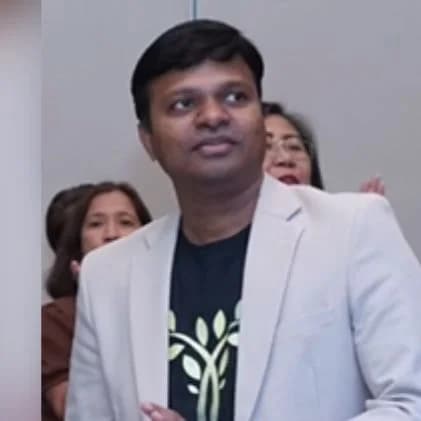
Working with PerfectionGeeks Technologies was an excellent experience. Their team delivered our project on time with outstanding quality, smooth communication, innovative solutions, and professional support throughout the entire development process.
Naveen
Founder Director , Way2Kart

PerfectionGeeks Technologies delivered a smooth, professional experience with excellent communication and technical expertise. Their team understood project requirements clearly, provided timely updates, and ensured high-quality results that exceeded expectations.
Srinivasa Mothay
CTO, Sethu Fishries

PerfectionGeeks Technologies impressed with their innovative solutions, responsive support, and commitment to quality. The team handled every detail professionally, delivered on time, and created a seamless experience from start to finish.
Mervin
Cofounder & CTO, Clover Infinity