Cost Efficiency
Engaging a fractional CTO reduces overhead costs while gaining access to high-level expertise.
Hiring a Chief Technology Officer (CTO) is a crucial step for startups, SMEs, and enterprises looking to enhance their technological capabilities. A fractional CTO offers flexible, part-time support, ideal for businesses that need technical leadership without the commitment of a full-time executive. In contrast, a virtual CTO provides comprehensive services remotely, managing technology strategies, product roadmaps, and team dynamics, making it suitable for organizations that prefer outsourced solutions. An interim CTO can step in during transitional phases, ensuring continuity until a permanent leader is found. By leveraging these models, companies can access high-level expertise in software architecture, cloud infrastructure, and product strategy, driving growth and innovation effectively.
Explore the key responsibilities of a Chief Technology Officer.
| Engagement Model | Description |
|---|---|
| Fractional CTO | A part-time CTO who provides strategic guidance on a flexible basis. |
| Virtual CTO | Remote CTO services that assist with technology strategy and implementation. |
| Interim CTO | A temporary CTO who manages technology operations during transitions. |
| Full-Time CTO | A dedicated CTO responsible for the overall technology vision and leadership. |
Explore how a CTO as a Service can transform your technology strategy.
Engaging a fractional CTO reduces overhead costs while gaining access to high-level expertise.
Virtual CTOs can quickly adapt to your changing business needs and technology landscape.
Benefit from specialized knowledge in areas like AI, cybersecurity, and cloud architecture.
Implement agile practices efficiently with an interim CTO guiding your engineering teams.
Pricing & Timelines
Estimated Timeline: 4-6 Weeks
Estimated Timeline: 8-12 Weeks
Estimated Timeline: 12+ Weeks
Get expert leadership without the full-time commitment.
Leverage our CTO services remotely for flexibility.
Temporary solutions to manage transitions smoothly.
Tailored strategies to launch and grow your tech startup.
Explore how our CTO services have transformed businesses.

Empower your business with our comprehensive CTO services.
Why Businesses Choose PerfectionGeeks as Their CTO Partner
Empower your technology strategy with expert leadership.
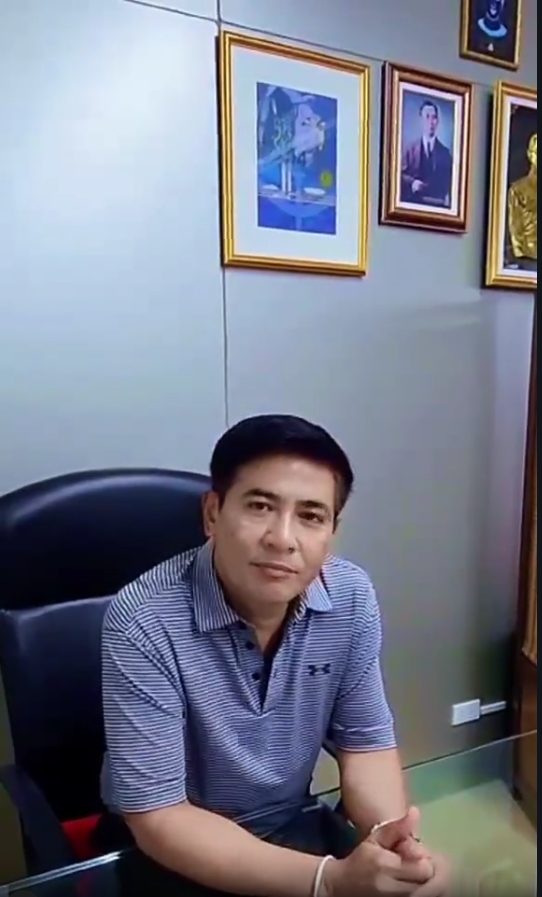
PerfectionGeeks provided excellent service from start to finish. Their team was professional, easy to work with, and delivered exactly what we needed on time. We’re very pleased with the outcome and would gladly recommend them to others.
Thanaboon Mingkaew
CEO, SMART IOT
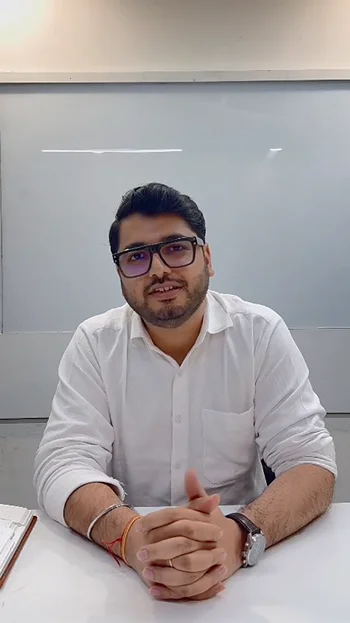
We partnered with PerfectionGeeks for a custom accounting automation software, and the experience was excellent. Their team delivered a high-quality solution that streamlined our operations and improved efficiency. Professional, skilled, and reliable — we’re already working with them on another project.
Saarthak Gupta
Founder, Ceos Accounting Services
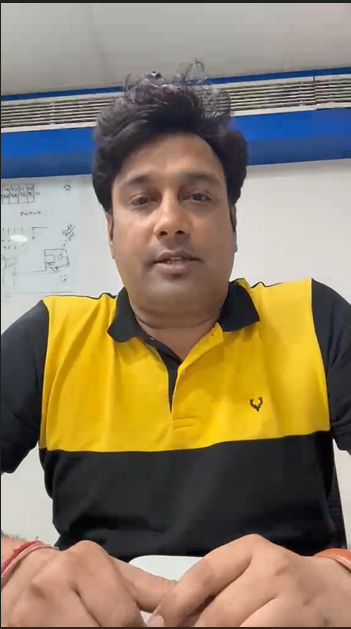
As COO of TRP Construction Management, I’m proud of our growth from 300 to 16,000+ SKUs and 4,000+ vendors since 2022. Thanks to Shrey Bhardwaj and Perfection Geeks for delivering scalable, future-ready technology solutions that transformed our vision into a seamless pan-India platform. Highly recommended technology partner.
Mayank Pathak
COO, TRP Construction Management

PerfectionGeeks Technologies transformed our vision into reality with innovative technology solutions. Their professionalism, timely delivery, transparent communication, and commitment to quality made the entire collaboration smooth, reliable, and highly satisfying.
Armaan
Cofounder, Kzminer

I highly recommend PerfectionGeeks Technologies for mobile and web development services. Their expertise, dedication, creative ideas, and customer-focused approach helped our business achieve impressive digital growth successfully.
Chetna
Founder CEO , Klicked

Choosing PerfectionGeeks Technologies was the best decision for our company. Their skilled developers created a user-friendly platform, provided constant assistance, and ensured exceptional performance beyond our expectations every step.
Mark
CTO, IMSMART
Working with PerfectionGeeks Technologies was an excellent experience. Their team delivered our project on time with outstanding quality, smooth communication, innovative solutions, and professional support throughout the entire development process.
Naveen
Founder Director , Way2Kart

PerfectionGeeks Technologies delivered a smooth, professional experience with excellent communication and technical expertise. Their team understood project requirements clearly, provided timely updates, and ensured high-quality results that exceeded expectations.
Srinivasa Mothay
CTO, Sethu Fishries

PerfectionGeeks Technologies impressed with their innovative solutions, responsive support, and commitment to quality. The team handled every detail professionally, delivered on time, and created a seamless experience from start to finish.
Mervin
Cofounder & CTO, Clover Infinity