Customer Mobile App
A user-friendly interface for customers to book and manage their moving services seamlessly.
The Moving Services App Case Study outlines how PerfectionGeeks developed a comprehensive mobile application to transform the moving industry. This solution integrates essential features like booking management, GPS-based live tracking, and digital payments, ensuring seamless operations and improved customer experiences. It emphasizes automation and real-time tracking as vital components for modern logistics businesses.
Streamlining Operations and Enhancing User Experience
| Challenge | Solution |
|---|---|
| Inefficient Booking Management | Automated booking system for seamless user experience. |
| Lack of Real-time Tracking | GPS-based live tracking for enhanced transparency. |
| Complex Payment Processes | Integrated digital payment gateways for easy transactions. |
| Poor Communication Channels | In-app chat and push notifications for instant updates. |
| Difficulty in Inventory Management | Intuitive inventory management system for better control. |
Empowering your moving business with innovative solutions.
A user-friendly interface for customers to book and manage their moving services seamlessly.
An app that connects moving partners to job requests, ensuring efficient task allocation and management.
Real-time monitoring of all ongoing moves to enhance coordination and operational efficiency.
In-depth analytics and reporting features that help businesses make data-driven decisions and optimize operations.
Pricing & Timelines
Starter
Business
Enterprise
A user-friendly app for customers to manage their moving experience effortlessly.
A comprehensive tool for moving partners to coordinate and streamline their operations.
An intuitive dashboard for administrators to oversee all moving operations and analytics.
A robust system for managing bookings, schedules, and customer communications seamlessly.
Delivering Efficiency and Satisfaction

Leveraging Modern Technologies for Seamless Operations
How Digital Transformation Streamlined Moving & Relocation Services
Transform your moving business with a custom mobile app.
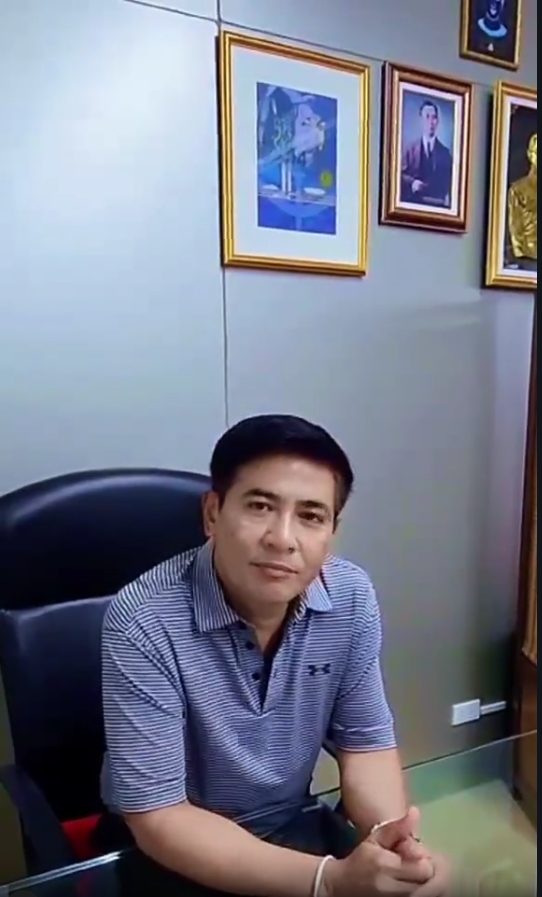
PerfectionGeeks provided excellent service from start to finish. Their team was professional, easy to work with, and delivered exactly what we needed on time. We’re very pleased with the outcome and would gladly recommend them to others.
Thanaboon Mingkaew
CEO, SMART IOT
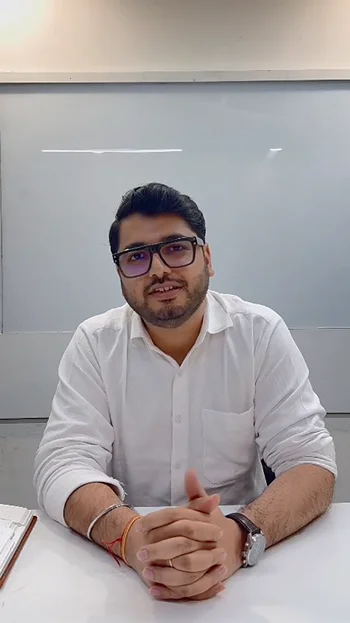
We partnered with PerfectionGeeks for a custom accounting automation software, and the experience was excellent. Their team delivered a high-quality solution that streamlined our operations and improved efficiency. Professional, skilled, and reliable — we’re already working with them on another project.
Saarthak Gupta
Founder, Ceos Accounting Services
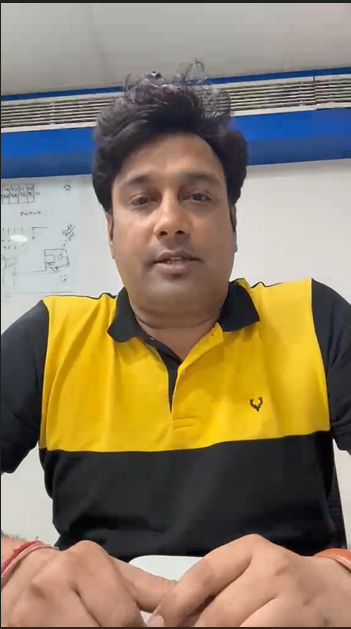
As COO of TRP Construction Management, I’m proud of our growth from 300 to 16,000+ SKUs and 4,000+ vendors since 2022. Thanks to Shrey Bhardwaj and Perfection Geeks for delivering scalable, future-ready technology solutions that transformed our vision into a seamless pan-India platform. Highly recommended technology partner.
Mayank Pathak
COO, TRP Construction Management
PerfectionGeeks Technologies transformed our vision into reality with innovative technology solutions. Their professionalism, timely delivery, transparent communication, and commitment to quality made the entire collaboration smooth, reliable, and highly satisfying.
Armaan
Cofounder, Kzminer

I highly recommend PerfectionGeeks Technologies for mobile and web development services. Their expertise, dedication, creative ideas, and customer-focused approach helped our business achieve impressive digital growth successfully.
Chetna
Founder CEO , Klicked

Choosing PerfectionGeeks Technologies was the best decision for our company. Their skilled developers created a user-friendly platform, provided constant assistance, and ensured exceptional performance beyond our expectations every step.
Mark
CTO, IMSMART
Working with PerfectionGeeks Technologies was an excellent experience. Their team delivered our project on time with outstanding quality, smooth communication, innovative solutions, and professional support throughout the entire development process.
Naveen
Founder Director , Way2Kart

PerfectionGeeks Technologies delivered a smooth, professional experience with excellent communication and technical expertise. Their team understood project requirements clearly, provided timely updates, and ensured high-quality results that exceeded expectations.
Srinivasa Mothay
CTO, Sethu Fishries

PerfectionGeeks Technologies impressed with their innovative solutions, responsive support, and commitment to quality. The team handled every detail professionally, delivered on time, and created a seamless experience from start to finish.
Mervin
Cofounder & CTO, Clover Infinity