
Published 12 June 2026 | Updated 25 June 2026
Blockchain Development
Understanding the Cost to Build a Solana dApp
As the demand for decentralized applications (dApps) continues to rise, understanding the cost of building on the Solana blockchain becomes crucial for Web3 startups and blockchain developers. Solana offers unique advantages such as high throughput and lower transaction costs. However, various factors influence the overall cost of development, from the complexity of the features to the integration of Rust-based smart contracts and wallet functionalities. This article aims to provide a comprehensive analysis of the cost elements associated with Solana dApp development to help businesses make informed decisions.
Transform Your Digital Experience
The cost to build a Solana dApp varies widely based on complexity, features, and development time, but understanding key factors can help you budget effectively for your project.
- Explore the cost factors associated with Solana dApp development.
- Understand the advantages of using Rust-based smart contracts.
- Learn about the scalability of the Solana blockchain.
- Get insights on wallet integration for decentralized applications.
- Examine the potential of Web3 dApp platforms in various industries.
- Review practical tips to avoid the hype in blockchain development.
- Evaluate the cost of developing crypto dApps for startups.
- Assess industry-specific applications, such as in healthcare and finance.
- Find out how to effectively manage decentralized application development.
- Discover the future trends in Solana blockchain development.
What is a Solana dApp?
A Solana dApp, or decentralized application, operates on the Solana blockchain, leveraging its high-performance capabilities. These applications can range from finance and gaming to social media and supply chain solutions. The defining characteristic of a dApp is its ability to function autonomously without a central authority, providing transparency and security through blockchain technology.
Why Choose Solana Blockchain?
Solana is known for its scalability and speed, making it an ideal choice for dApp development. Some of its key advantages include:
- High Throughput: Solana can handle thousands of transactions per second, allowing for seamless user experiences.
- Low Transaction Costs: The network's structure minimizes fees, making it affordable for developers and users alike.
- Robust Ecosystem: With a growing community and support from various tools and platforms, developers can find resources easily.
Smart Contracts on Solana
Smart contracts are self-executing contracts with the terms of the agreement directly written into code. In Solana, developers primarily use the Rust programming language to create these contracts, benefiting from its performance and safety features. Rust-based smart contracts are designed to be efficient, which is crucial for maintaining low operational costs.
Architecture of dApps
The architecture of a Solana dApp typically consists of:
- Frontend: The user interface that interacts with the blockchain.
- Backend: The smart contracts that handle the logic of the application.
- Blockchain Network: The infrastructure that facilitates transactions.
Technology Stack
Building a Solana dApp requires a specific technology stack, which may include:
| Component | Description | Examples |
|---|---|---|
| Frontend Framework | User interface development | React, Vue.js |
| Smart Contract Language | Contract logic implementation | Rust, Anchor |
| Blockchain Layer | Transaction processing | Solana Network |
Development Cost
Estimating the cost of developing a Solana dApp can vary widely based on several factors:
- Complexity of Features: More features typically require more development time and expertise.
- Development Time: The overall timeline influences labor costs; longer projects incur higher expenses.
- Integration Needs: Wallet and API integrations can add to the costs.
Security Considerations
Security is a paramount concern in Solana dApp development. Developers should implement best practices such as:
- Thorough testing of smart contracts
- Regular audits to identify vulnerabilities
- Integration of secure wallet systems
Future of Solana Ecosystem
The future of the Solana ecosystem appears promising, with ongoing developments aimed at enhancing scalability and efficiency. As more projects adopt Solana, its influence in the Web3 space is expected to grow, presenting ample opportunities for developers and businesses alike.
Decision Framework
When considering building a Solana dApp, use the following guidelines:
- Choose Solana if: You require high scalability and low transaction fees.
- Choose Rust: If you prefer a performance-oriented programming language for smart contracts.
- Choose a Comprehensive Tech Stack: If you want to leverage community support and resources for faster development.
Frequently Asked Questions
Quick answers related to this article from PerfectionGeeks.
1. What are the primary cost factors in Solana dApp development?
2. How does the scalability of the Solana blockchain affect dApp costs?
3. What security measures should be taken for Solana dApps?
4. How can Web3 startups estimate the cost for building a Solana dApp?
5. What role do smart contracts play in Solana dApp development?
Conclusion
In conclusion, understanding the cost to build a Solana dApp involves evaluating multiple factors that contribute to the overall budget. Here are some key considerations:
- Complexity of Features: More intricate functionalities will require additional development time and expertise.
- Development Time: The duration of the project plays a crucial role in determining costs, as longer timelines often increase expenses.
- Smart Contract Development: Utilizing Rust for smart contracts can enhance performance but may also require specialized knowledge.
- Wallet Integration: Ensuring seamless wallet integration is essential for user experience but can add to the complexity and cost.
- Industry Applications: Different industries, such as healthcare or finance, may have unique requirements that affect development costs.
Choose to partner with PerfectionGeeks if you want expert guidance and a tailored approach to your Solana dApp development project, ensuring you stay within budget while maximizing your application's potential.
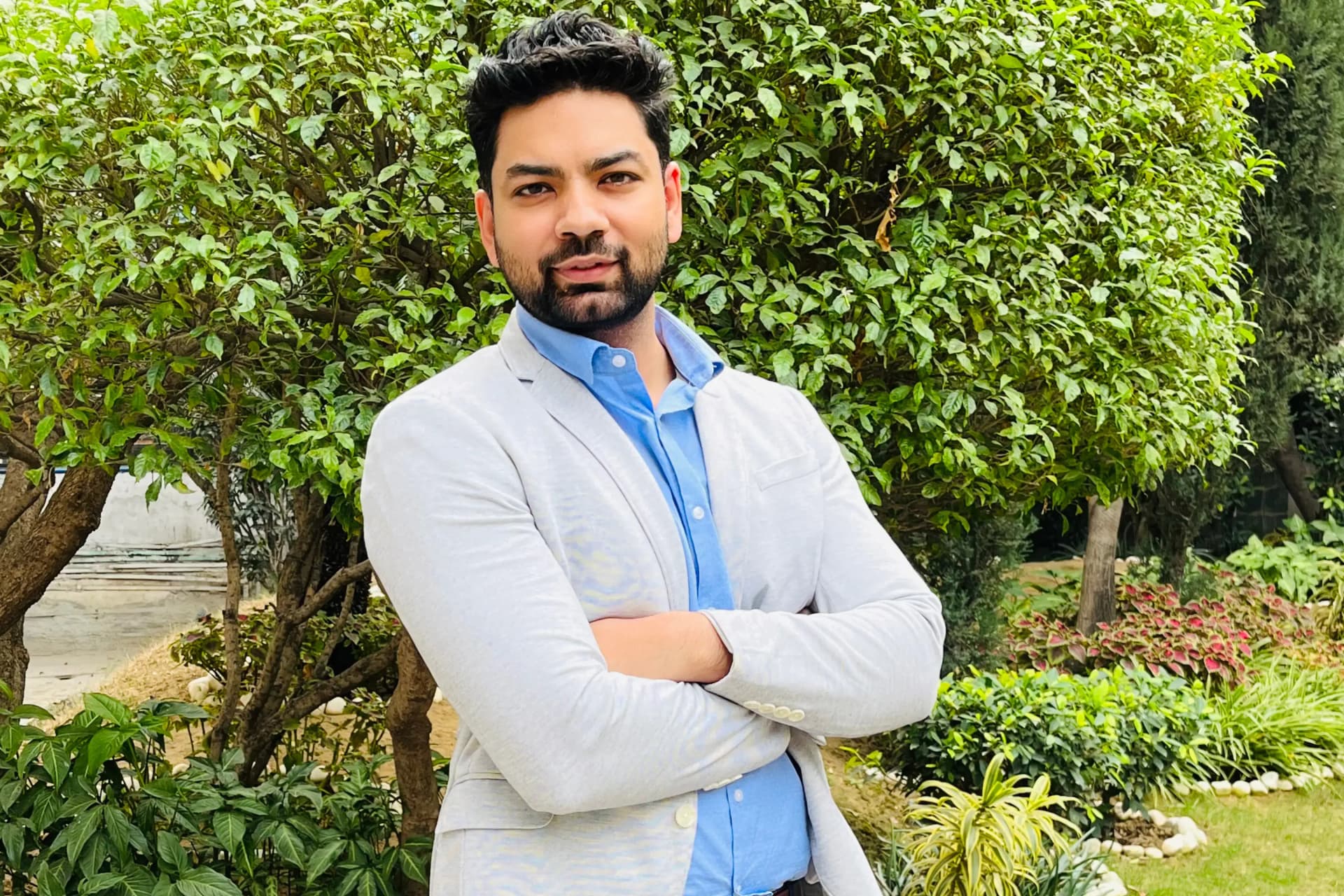
Shrey Bhardwaj is the Director & Founder of PerfectionGeeks Technologies, bringing extensive experience in software development and digital innovation. His expertise spans mobile app development, custom software solutions, UI/UX design, and emerging technologies such as Artificial Intelligence and Blockchain. Known for delivering scalable, secure, and high-performance digital products, Shrey helps startups and enterprises achieve sustainable growth. His strategic leadership and client-centric approach empower businesses to streamline operations, enhance user experience, and maximize long-term ROI through technology-driven solutions.