
Published 11 June 2026 | Updated 16 June 2026
Blockchain & Web3
NFT Fashion Marketplace Development: Transforming the Fashion Industry
The emergence of NFT fashion marketplaces is reshaping how fashion brands engage with consumers, allowing them to create unique digital assets that resonate with the modern buyer. As a leading NFT fashion marketplace development company, PerfectionGeeks is at the forefront of this revolution, leveraging blockchain technology to help fashion brands and NFT creators establish their presence in the digital landscape. Our tailored solutions encompass everything from NFT minting systems to smart contracts, ensuring that your marketplace is not only innovative but also secure and scalable.
Transform Your Digital Experience
- NFT fashion marketplace development enables fashion brands to thrive in the digital era.
- Utilizing smart contracts enhances transparency and trust in transactions.
- Our solutions cater to Web3 fashion marketplaces, promoting decentralization.
- We support NFT minting systems tailored for unique fashion items.
- Experience the scalability of blockchain technology for your fashion platform.
- Explore the potential of digital fashion NFTs to engage customers.
- Join the metaverse fashion platform revolution with our expert services.
- PerfectionGeeks offers end-to-end development tailored to NFT clothing platforms.
- Stay ahead in the competitive landscape with our blockchain fashion solutions.
- Our expertise ensures that your marketplace aligns with evolving consumer demands.
What is NFT Fashion Marketplace?
An NFT fashion marketplace is a digital platform where fashion brands can create, buy, sell, and trade digital fashion assets in the form of non-fungible tokens (NFTs). These marketplaces allow brands to monetize their designs and engage with consumers in a novel way, providing a unique shopping experience that blends fashion with technology. Unlike traditional e-commerce, NFT marketplaces offer a decentralized environment, giving creators more control over their products and how they are sold.
How Digital Fashion NFTs Work
Digital fashion NFTs function as unique digital certificates that represent ownership of specific fashion items or designs. When a brand mints an NFT, it encodes the ownership and authenticity on the blockchain. This allows consumers to purchase these digital assets, which can then be showcased in virtual environments or resold in secondary markets. The uniqueness of each NFT ensures that buyers own something exclusive, making digital fashion appealing to collectors and enthusiasts alike.
Blockchain Platforms Used
Various blockchain platforms can be utilized for developing NFT fashion marketplaces, each offering unique features:
| Blockchain | Key Features | Use Cases |
|---|---|---|
| Ethereum | Smart contracts, high security, extensive developer community | Widely used for NFT marketplaces |
| Polygon | Lower transaction fees, faster processing | Scalable NFT solutions |
| Binance Smart Chain | Cost-effective, high throughput | Emerging NFT projects |
Smart Contract Integration
Smart contracts play a crucial role in NFT fashion marketplaces by automating transactions and ensuring that all parties involved adhere to agreed terms. These self-executing contracts eliminate the need for intermediaries, reducing costs and increasing transaction speed. By integrating smart contracts, brands can implement royalty systems that automatically pay creators every time their digital fashion item is resold, promoting sustainable practices within the industry.
Virtual Fashion and Metaverse
The concept of virtual fashion is gaining traction with the rise of the metaverse, where users can interact in immersive digital environments. NFT fashion marketplaces enable brands to create virtual clothing and accessories that users can wear in these virtual spaces. This not only expands the brand's reach but also creates new revenue streams through the sale of digital fashion items. As more users engage with the metaverse, the demand for unique digital fashion will continue to rise, propelling NFT marketplaces to new heights.
Key Features of NFT Marketplaces
To be successful, NFT fashion marketplaces should incorporate several key features:
- User-Friendly Interface: Simplifies navigation and enhances user experience.
- Robust Search and Filter Options: Helps users find specific items easily.
- Secure Payment Gateways: Ensures safe transactions using cryptocurrency or traditional payment methods.
- NFT Minting Capabilities: Allows brands to create and list their own digital assets directly on the platform.
- Community Engagement Tools: Fosters a sense of community among users through forums and social media integration.
Challenges in NFT Fashion Industry
Despite the exciting opportunities presented by NFT fashion marketplaces, several challenges must be addressed:
- Market Volatility: The value of NFTs can fluctuate significantly, impacting brand investments.
- Environmental Concerns: The energy consumption associated with blockchain technology has raised sustainability questions.
- Regulatory Issues: Navigating the legal landscape surrounding NFTs can be complex, with varying regulations across regions.
Future of Digital Fashion
The future of digital fashion is bright, with increasing integration of technology in everyday life. As NFT fashion marketplaces evolve, we can expect to see more innovative features, such as augmented reality (AR) applications that allow customers to virtually try on clothing before purchasing. Additionally, the collaboration between fashion brands and digital artists will likely lead to unique, limited-edition collections that capture the attention of consumers. The ongoing evolution of the metaverse will further drive demand for digital fashion, making NFT marketplaces a pivotal part of the fashion industry's future.
Decision Guide
In deciding whether to invest in NFT fashion marketplace development, consider the following:
- Choose NFT Fashion Marketplace Development if:
You aim to create a unique digital presence for your brand, engage with tech-savvy consumers, and tap into new revenue streams through the sale of digital assets. - Consider Traditional E-Commerce if:
Your primary customer base is not yet engaged with digital assets or NFTs, and you prefer to operate within established retail frameworks.
Frequently Asked Questions
Quick answers related to this article from PerfectionGeeks.
1. What are the key benefits of an NFT fashion marketplace?
2. How much does it cost to develop an NFT fashion marketplace?
3. What is the development process for an NFT fashion marketplace?
4. How can blockchain technology enhance fashion marketplaces?
5. What features should an NFT fashion marketplace include?
Conclusion
In conclusion, partnering with PerfectionGeeks for your NFT fashion marketplace development means investing in a future where fashion meets technology. Our expert team is dedicated to providing:
- Custom Marketplace Solutions: Tailored platforms designed specifically for your brand's needs.
- Enhanced Security: Utilizing blockchain technology to ensure secure transactions and data integrity.
- Innovative Features: Integrating NFT minting systems that allow for the creation of unique digital fashion items.
- Scalability: Building on a framework that grows with your business, adapting to market demands.
- Expert Guidance: Navigating the complexities of the Web3 fashion marketplace.
Choose PerfectionGeeks if you aim to innovate and lead in the NFT clothing platform space. Together, we can create a transformative experience that sets your brand apart in the competitive landscape.
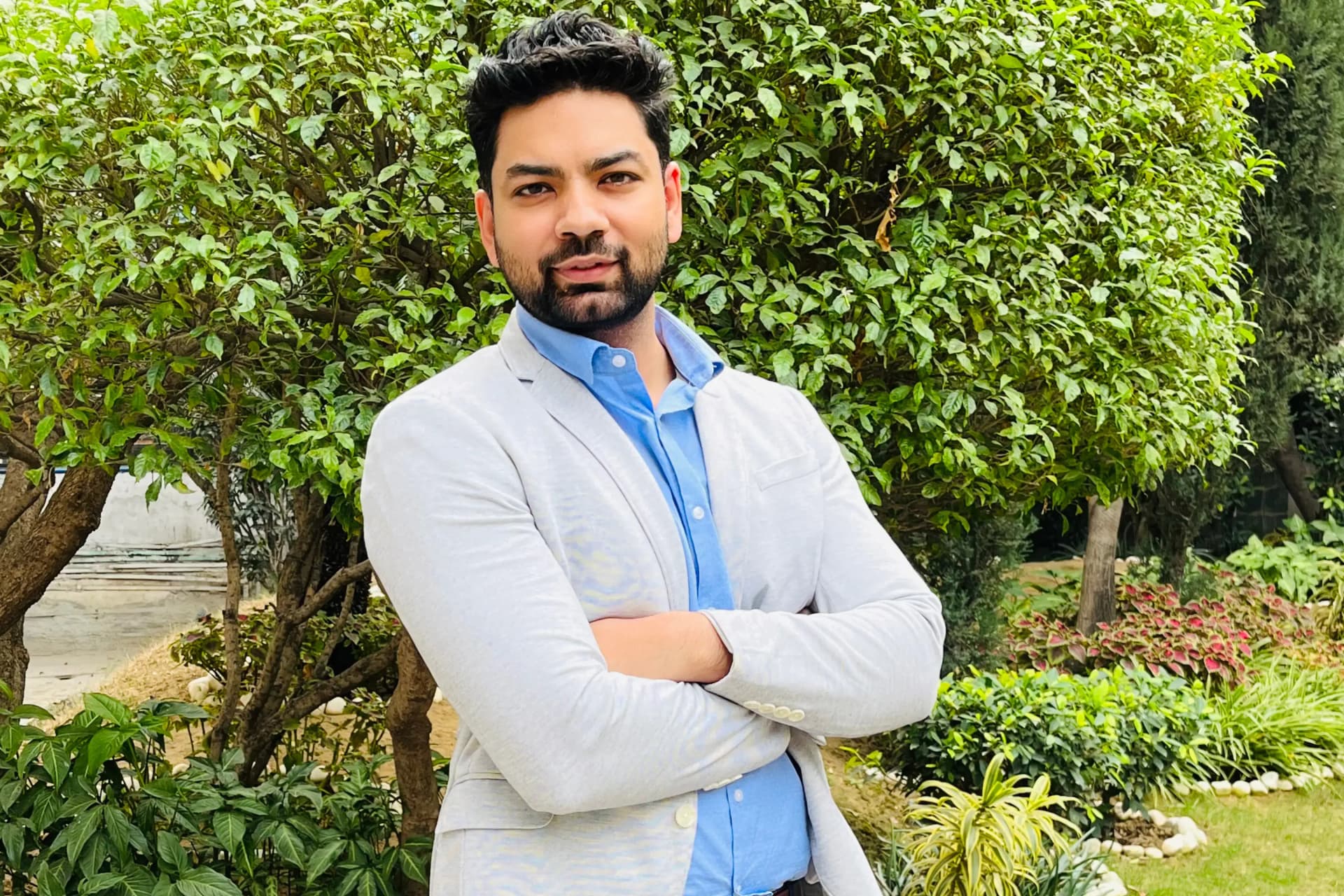
Written By Shrey Bhardwaj
Director & Founder
Shrey Bhardwaj is the Director & Founder of PerfectionGeeks Technologies, bringing extensive experience in software development and digital innovation. His expertise spans mobile app development, custom software solutions, UI/UX design, and emerging technologies such as Artificial Intelligence and Blockchain. Known for delivering scalable, secure, and high-performance digital products, Shrey helps startups and enterprises achieve sustainable growth. His strategic leadership and client-centric approach empower businesses to streamline operations, enhance user experience, and maximize long-term ROI through technology-driven solutions.