Published 31 July 2025
App
How DApps Differ from Traditional Apps: A Clear Comparison
In the rapidly evolving world of technology, the rise of decentralized applications (DApps) is reshaping how software is developed, deployed, and experienced. While traditional applications (centralized apps) still dominate most industries, DApps are gaining traction across finance, gaming, healthcare, and governance.
But what exactly sets DApps apart from traditional apps? In this blog, we at PerfectionGeeks break down the fundamental differences between the two and explain how our DApp Development Services can help you navigate this next-gen transformation.
What Are Traditional Apps?
Traditional apps are software programs built using a centralized server-client model. The application logic, user data, and back-end processing are all managed by a centralized authority—usually a company or service provider. These apps can be mobile (like Instagram), desktop (like Microsoft Word), or web-based (like Gmail).
Key Features of Traditional Apps:
Centralized databases
- Managed and controlled by a single entity
- Fast and scalable on central cloud systems
- User authentication through email/password
- Data ownership rests with the company
What Are DApps (Decentralized Applications)?
DApps are applications built on decentralized networks, typically blockchain. Instead of relying on centralized servers, DApps use smart contracts and peer-to-peer networks to function. Popular blockchain platforms for DApp development include Ethereum, Solana, Polygon, and BNB Chain.
Key Features of DApps:
- Open-source and decentralized
- Backend powered by blockchain smart contracts
- Users own their data and identities
- Transactions are transparent and immutable
- Token-based incentives often built-in (e.g., cryptocurrency rewards)
Traditional Apps vs. DApps: A Side-by-Side Comparison
| Feature | Traditional Apps | DApps |
|---|---|---|
| Architecture | Centralized | Decentralized (blockchain-based) |
| Control | Owned by a company or authority | Controlled by community or protocol rules |
| Data Storage | Central server or cloud | Distributed ledger (blockchain) |
| Security | Vulnerable to central failure or hacking | High security via cryptographic validation |
| Transparency | Closed source (usually) | Mostly open-source and auditable |
| User Privacy | Data owned by provider | Data owned by user, stored on-chain |
| Payments | Fiat, cards, centralized gateways | Crypto tokens or smart contracts |
| Uptime | Can suffer outages | High uptime due to decentralization |
Real-World Examples of Each
Traditional App Examples:
- Facebook: Social media platform controlled and monetized by Meta.
- Netflix: Centralized streaming service with subscription-based revenue.
- Uber: Ride-sharing platform with all data and pricing controlled by a single company.
DApp Examples:
- Uniswap: A decentralized crypto exchange without intermediaries.
- Brave Browser: Rewards users in crypto for viewing ads.
- Decentraland: A blockchain-powered virtual world owned by users.
Why Businesses Are Moving Toward DApps
As blockchain adoption grows, many businesses are exploring DApp Development Services to embrace:
- Greater Transparency: Blockchain ensures all transactions are visible and verifiable.
- User Trust: No single party controls the data or logic, reducing manipulation risk.
- Cost Efficiency: Elimination of intermediaries reduces transactional fees.
- Global Reach: DApps operate on public blockchains, accessible worldwide.
- Innovative Monetization Models: Use of tokens, NFTs, or decentralized finance (DeFi) methods.
At PerfectionGeeks, we’ve helped startups and enterprises pivot from centralized systems to decentralized frameworks, unlocking new levels of customer engagement and operational security.
Challenges in DApp Development
While DApps offer many advantages, they come with unique development challenges:
- Complexity: Building smart contracts requires deep blockchain knowledge.
- Scalability: Public blockchains can be slow under high usage.
- User Experience: Wallets, tokens, and keys can be overwhelming for average users.
- Regulatory Landscape: Varies by country and use case.
This is where PerfectionGeeks’ DApp Development Services make a difference. We provide end-to-end support, from conceptualization to deployment, ensuring your DApp is secure, scalable, and user-friendly.
When Should You Choose a DApp Over a Traditional App?
Choosing between a DApp and a traditional app depends on your goals:
Choose a DApp if:
- You need decentralization or tokenomics
- Trust and transparency are key
- You want to build for Web3 users
- You plan to leverage DeFi, NFTs, or crypto payments
Choose a Traditional App if:
- You’re building an app with sensitive data that doesn’t require decentralization
- You want faster development and onboarding
- Blockchain doesn’t offer clear benefits to your use case
If you’re unsure, our team at PerfectionGeeks can assess your business needs and recommend the right architecture.
The Future of Applications Is Hybrid
As blockchain matures, we may see more hybrid apps—combining the best of both worlds. For example, a social media app could have a traditional interface but store user content on IPFS and use tokens for rewards.
At PerfectionGeeks, we’re already building these next-gen solutions. Our expert developers understand both centralized and decentralized tech stacks, giving you unmatched flexibility.
Conclusion
The line between traditional and decentralized applications is becoming increasingly clear. While traditional apps are faster and easier to build, DApps offer transparency, ownership, and trust that centralized apps can’t. As the world transitions to Web3, DApps will play a critical role across industries.
Whether you want to create a DeFi platform, launch an NFT marketplace, or decentralize your existing business model—PerfectionGeeks is your trusted partner in DApp Development Services.
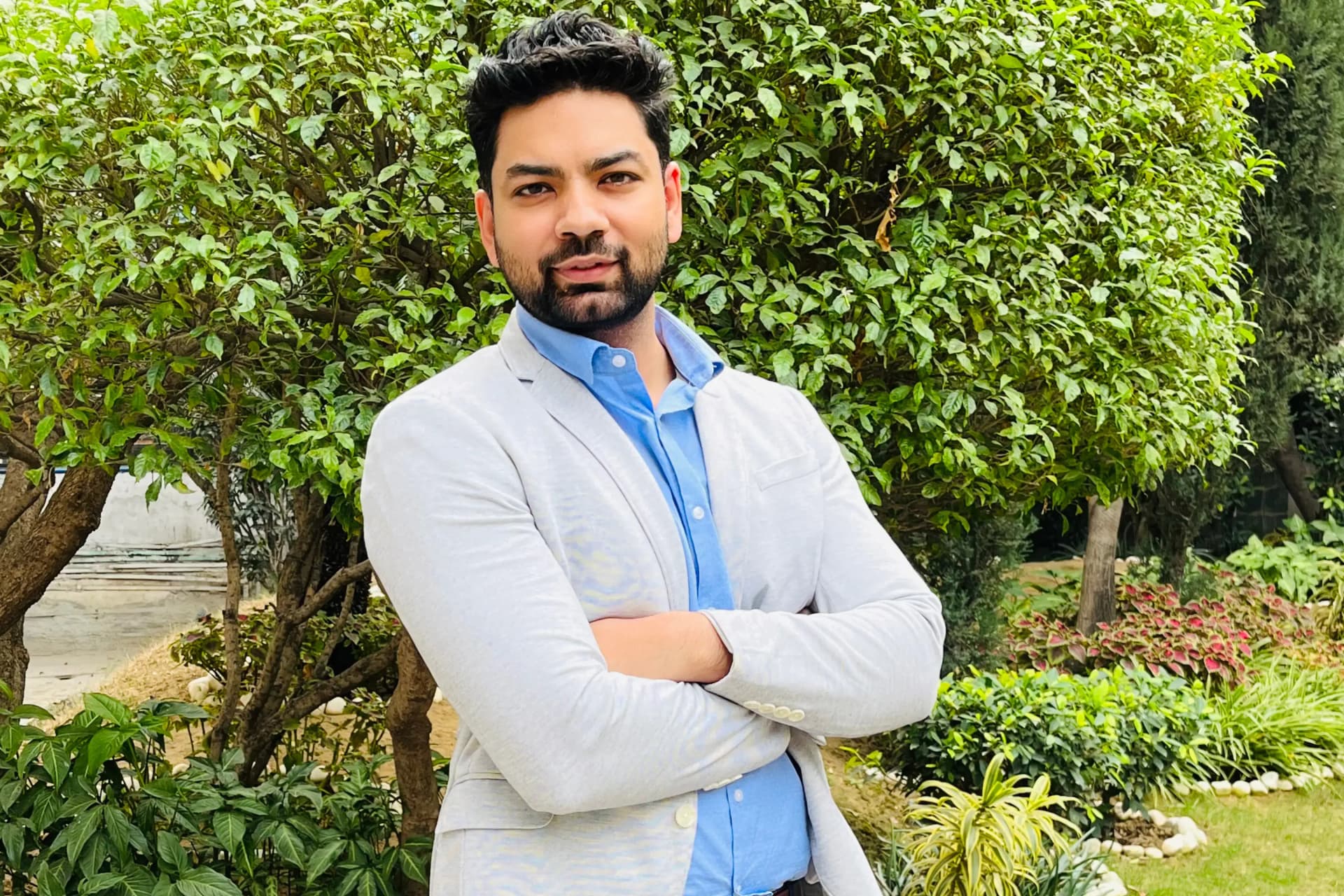
Shrey Bhardwaj is the Director & Founder of PerfectionGeeks Technologies, bringing extensive experience in software development and digital innovation. His expertise spans mobile app development, custom software solutions, UI/UX design, and emerging technologies such as Artificial Intelligence and Blockchain. Known for delivering scalable, secure, and high-performance digital products, Shrey helps startups and enterprises achieve sustainable growth. His strategic leadership and client-centric approach empower businesses to streamline operations, enhance user experience, and maximize long-term ROI through technology-driven solutions.