Published 13 June 2026 | Updated 24 August 2026
Blockchain / Media
Blockchain-Based Live Streaming App Development
Traditional live streaming platforms sit between a creator and their audience, taking a cut and controlling the payment rails, the content rights, and the data. Blockchain-based live streaming removes that middle layer: creators can be paid directly in crypto as viewers tip or subscribe, content and viewership records live on-chain where they cannot be quietly altered, and access to premium streams can be gated by a token or NFT instead of a centralized paywall. PerfectionGeeks builds live streaming platforms with this architecture for creators, communities, and businesses who want ownership and payment rails that a traditional platform cannot offer.
Transform Your Digital Experience
Blockchain-based live streaming provides a decentralized and efficient platform for content creators to monetize their work through smart contracts and token incentives, enhancing user engagement and control over distribution.
- Blockchain live streaming leverages decentralized networks for efficient content delivery.
- Utilizing smart contracts, creators can monetize their content seamlessly.
- Token incentives foster community engagement and creator loyalty.
- Web3 video streaming offers greater control over content distribution.
- Peer to peer video streaming enhances user experience by reducing latency.
- Decentralized content delivery networks mitigate risks of centralization.
- Industries like healthcare and eCommerce can benefit from secure streaming solutions.
- Real-world examples showcase successful implementations of blockchain video apps.
- Understanding Web3 scalability challenges is crucial for future developments.
- Exploring NFT streaming rights adds value to digital content ownership.
Why Build a Live Streaming Platform With Blockchain?
Traditional streaming platforms typically manage creator payments, subscriptions, access control and audience data through centralized systems.
Blockchain can introduce another layer of ownership and verification.
For the right use case, it can help with:
- Direct creator payments
- Token-based access to premium streams
- NFT ownership and membership
- Transparent royalty distribution
- Blockchain-based transactions
- Wallet-based authentication
- Verifiable digital ownership
- Community-driven monetization
- On-chain records for selected transactions
- The important part is choosing the right architecture.
A streaming platform still needs reliable video encoding, content delivery, storage, moderation, analytics and application infrastructure. Blockchain should complement those systems rather than replace technologies that already perform those jobs efficiently.
What We Build for Blockchain-Based Live Streaming
Token-Gated Live Streaming
Give users access to selected streams based on ownership of a particular token or NFT.
For example, a creator could offer:
- NFT-holder-only live sessions
- Token-gated events
- VIP broadcasts
- Community streams
- Paid digital events
- Membership-based content
- Exclusive creator experiences
The application verifies the user's wallet and token ownership before granting access to the relevant stream.
This approach can be useful when digital ownership is part of the community or membership model.
Crypto Payment & Creator Monetization
We build payment functionality for streaming platforms that want to support blockchain-based transactions.
Depending on the product, this can include:
- Creator tips
- Paid live streams
- Crypto subscriptions
- Pay-per-view access
- Digital purchases
- Creator rewards
- Revenue distribution
- Wallet-to-wallet payments
Smart contracts can be used where automated payment distribution makes sense.
The exact payment flow depends on the jurisdictions served, supported assets, custody model and regulatory requirements of the platform.
Blockchain Live Streaming Platform Development
A complete blockchain streaming platform can combine a conventional streaming stack with blockchain services.
A typical architecture may include:
Viewer / Creator App
↓
Authentication & Wallet Connection
↓
Streaming & Content Delivery Layer
↓
Application / API Layer
↓
Payment & Access-Control Services
↓
Smart Contracts
↓
Blockchain Network
The video itself does not necessarily need to be stored on-chain.
High-volume video delivery is normally better handled through suitable streaming infrastructure, storage and CDN services, while blockchain can manage ownership, payments, access rights or selected transaction records.
NFT-Based Streaming Experiences
NFTs can be used for more than digital collectibles.
For a live streaming platform, NFTs can represent:
- Event passes
- Memberships
- VIP access
- Creator subscriptions
- Digital collectibles
- Exclusive video access
- Community membership
- Limited-edition content
For example, a creator could issue a collection of NFTs that provides holders with access to selected live events.
The platform can verify NFT ownership through wallet connectivity and smart-contract data before allowing access.
Direct Creator Payments
One of the biggest opportunities for blockchain-based streaming is creator monetization.
Instead of relying entirely on a centralized platform payment system, the application can support blockchain-based payments where appropriate.
A creator could receive:
Viewer → Wallet / Payment Layer → Smart Contract → Creator
Depending on the business model, the platform may also take a predefined service fee.
Smart contracts can automate agreed revenue splits between:
- Creators
- Platform operators
- Content owners
- Event organizers
- Affiliates
- Other participating parties
Any financial model involving crypto assets should be reviewed for applicable legal and regulatory requirements before launch.
Blockchain-Based Subscription Models
A streaming platform can combine traditional subscriptions with blockchain-based membership.
Possible models include:
Token Membership
Users hold a specific token to access selected content.
NFT Membership
NFT ownership provides access to a creator's private streams or community.
Crypto Subscription
Users pay a recurring or defined subscription amount using supported digital assets.
Hybrid Subscription
Users can choose between conventional payment methods and supported blockchain payment options.
The right model depends on the audience, jurisdiction, user experience and commercial structure of the platform.
Watch-to-Earn Streaming Platforms
Watch-to-earn models can reward viewers for defined forms of engagement.
Depending on the business model, rewards may be linked to:
- Watching content
- Attending live events
- Completing activities
- Participating in communities
- Supporting creators
- Referring new users
A reward mechanism should be designed carefully. Simply attaching a token to viewer activity does not automatically create a sustainable business model.
We can help structure the technical side of reward distribution, wallet integration and smart-contract functionality around the business rules.
Decentralized Video Infrastructure
Blockchain does not mean that every component of a streaming platform needs to be decentralized.
A practical architecture can combine:
Conventional cloud infrastructure
- Video encoding
- CDN delivery
- Object storage
- Decentralized storage
- Blockchain networks
- Smart contracts
- Application APIs
This hybrid approach can provide flexibility while keeping video delivery fast and cost-effective.
For businesses considering decentralized storage, we evaluate the content type, expected traffic, availability requirements, storage costs and retrieval requirements before selecting the infrastructure.
Core Features of a Blockchain Live Streaming App
The feature set depends on the product, but a typical platform can include the following.
Viewer Features
- User registration and authentication
- Wallet connection
- Live video streaming
- Stream discovery
- Creator profiles
- Follow and subscribe
- Live chat
- Reactions
- Digital tipping
- Token-gated streams
- NFT-gated access
- Paid events
- Watch history
- Notifications
- Transaction history
- Digital asset collection
Creator Features
- Creator registration
- Profile management
- Live-stream scheduling
- Stream management
- Audience analytics
- Subscriber management
- Token-gated content
- NFT integration
- Crypto payments
- Tips and donations
- Revenue tracking
- Content management
- Moderation controls
- Payout management
Admin Features
- User management
- Creator verification
- Content moderation
- Stream monitoring
- Transaction monitoring
- Token management
- NFT collection management
- Revenue reporting
- Payment management
- Dispute management
- Analytics dashboards
- Platform configuration
Security monitoring
Blockchain Components We Can Integrate
Smart Contracts
Smart contracts can manage defined business rules such as:
Token-gated access
- Creator payments
- Subscription logic
- Revenue sharing
- NFT ownership
- Rewards
- Royalties
Digital asset transactions
Contracts should be thoroughly tested before production deployment. For contracts handling significant financial value, an independent security audit should also be considered.
Wallet Integration
Users can connect compatible wallets to:
- Verify ownership
- Make payments
- Receive rewards
- Access token-gated streams
- Manage digital assets
- Sign blockchain transactions
The wallet experience should be kept as simple as possible. Requiring a wallet for every user action can create unnecessary friction, especially for audiences unfamiliar with blockchain.
NFT Integration
NFT functionality can be used for:
- Membership
- Event access
- Digital ownership
- Creator collectibles
- Premium content
- Community access
The NFT contract and access-control mechanism should be designed around the actual product rather than adding NFTs simply as a marketing feature.
Blockchain Networks for Live Streaming
The right blockchain depends on the application's transaction volume, users, assets and smart-contract requirements.
Depending on the project's actual technical requirements and PerfectionGeeks' supported stack, the platform may be built using:
- Ethereum
- Polygon
- BNB Chain
- Solana
- Other compatible networks
We recommend choosing the network after evaluating:
- Transaction costs
- Transaction speed
- Smart-contract capabilities
- Ecosystem maturity
- Wallet support
- Developer tooling
- Security
- Expected transaction volume
- User location
- Long-term maintenance
Only list networks that your development team genuinely supports.
Traditional Streaming vs Blockchain-Based Streaming
Capability
- Traditional Streaming
- Blockchain-Based Streaming
- Video delivery
- Centralized infrastructure
- Centralized or hybrid infrastructure
- User authentication
- Email/social login
- Email, social login or wallet
Payments
- Cards, bank/payment gateways
- Crypto and conventional payments
Premium access
- Centralized subscription system
- Subscription, token or NFT access
Digital ownership
- Platform-controlled
- Blockchain-verifiable ownership
Creator payments
- Platform-managed
- Can include smart-contract payments
Royalty distribution
- Centralized
- Can be automated through smart contracts
Community membership
- Database-based
Can include token/NFT membership
Transaction records
- Platform database
Selected transactions can be recorded on-chain
Blockchain is not automatically better for every streaming platform. The value comes from using it where ownership, payments, access control or transparent transaction records genuinely matter.
Blockchain Live Streaming App Development Services
Custom Streaming Platform Development
We develop custom live streaming applications around your business model, audience and monetization strategy.
This can include web applications, mobile apps, creator dashboards, administration systems and blockchain integrations.
Live Video Streaming App Development
We build the application layer required to manage live broadcasts, viewers, creators, content and real-time interactions.
Crypto Streaming App Development
We integrate blockchain payment and wallet functionality into streaming applications where cryptocurrency is part of the product model.
Token-Gated Streaming Development
We build access-control systems that verify token or NFT ownership before granting users access to selected streams.
NFT Streaming Platform Development
NFT functionality can be incorporated into streaming products for memberships, digital collectibles, event access and exclusive content.
Streaming Wallet Integration
We integrate wallet functionality so users can connect, sign transactions, make payments and access blockchain-based features.
Smart Contract Development
We develop and test smart contracts for payment distribution, access control, rewards, NFT functionality and other defined business rules.
Existing Platform Blockchain Integration
Already have a streaming application?
We can add blockchain functionality without necessarily replacing your existing platform.
Possible integrations include:
- Wallet login
- Crypto payments
- NFT verification
- Token-gated access
- Creator payouts
- Smart contracts
Blockchain analytics
Blockchain Streaming App Architecture
A production-ready platform normally contains several systems working together.
1. Streaming Layer
Handles:
- Video ingestion
- Encoding
- Transcoding
- Live delivery
Adaptive bitrate streaming
Content distribution
2. Application Layer
Handles:
- Users
- Creators
- Profiles
- Subscriptions
- Content
- Notifications
- Analytics
3. Blockchain Layer
Handles selected blockchain functionality such as:
- Payments
- NFTs
- Tokens
- Ownership
- Smart contracts
- Transaction records
4. Security Layer
Handles:
- Authentication
- Authorization
- Wallet security
- API security
- Transaction monitoring
- Access controls
- Logging
5. Administration Layer
Provides control over:
- Users
- Creators
- Streams
- Payments
- Content
- Transactions
- Moderation
- Platform analytics
Security for Blockchain Streaming Applications
Adding blockchain to a streaming platform introduces additional security considerations.
Our development approach can include security controls across several layers.
Smart Contract Security
- Access-control testing
- Business-logic testing
- Reentrancy checks
- Input validation
- Transaction-flow testing
- Permission review
- Gas optimization
- Upgradeability review
- Wallet Security
Secure signing flows
- Wallet authentication
- Transaction confirmation
- Withdrawal controls
- Session management
- Suspicious transaction monitoring
- Application Security
Authentication
- Authorization
- API protection
- Encryption
- Rate limiting
- Input validation
- Secure session management
- Streaming Security
Stream access control
- Signed URLs where appropriate
- Content protection
- Creator permissions
- Abuse monitoring
- Account security
No development process can guarantee that a system will never be attacked. The goal is to reduce avoidable risks through secure architecture, testing, monitoring and operational controls.
Our Blockchain Live Streaming App Development Process
1. Product Discovery
We start with the business model.
We look at:
- Who will create the content?
- Who will watch it?
- How will creators earn?
- Is blockchain actually required?
- What content should be free?
- What should be paid?
- Where does token ownership add value?
- Which countries will the platform serve?
This prevents unnecessary blockchain functionality from being built into the product.
2. Architecture Planning
We define the relationship between the streaming infrastructure, application backend and blockchain layer.
This includes deciding what belongs on-chain and what should remain off-chain.
3. UX/UI Design
The blockchain functionality should feel like part of the product rather than a technical obstacle.
We design the wallet, payment and access flows around the expected user experience.
4. Smart Contract Development
Where smart contracts are required, we develop and test the contract logic against normal and adverse scenarios.
5. Streaming Platform Development
The application, creator dashboard, administration system and streaming functionality are developed alongside the blockchain components.
6. Blockchain Integration
Wallets, tokens, NFTs, payment systems and smart contracts are connected to the application.
7. Security Testing
We test the application, payment flows, wallet interactions and smart-contract functionality before production launch.
For high-value contracts, an independent audit is recommended.
8. Deployment
The production environment is configured and the application is prepared for launch.
9. Post-Launch Support
Support can include:
Bug fixes
- Performance improvements
- Infrastructure monitoring
- Blockchain updates
- Security maintenance
- Feature development
Streaming optimization
Blockchain Live Streaming App Development Cost
There is no useful single price for a blockchain streaming application because the scope can vary significantly.
A platform with simple live streaming and wallet login is very different from a multi-creator platform with token-gated content, smart contracts, subscriptions, NFT functionality and advanced analytics.
The main cost factors include:
- Streaming infrastructure
- Web or mobile application
- Number of user roles
- Creator dashboard
- Admin dashboard
- Wallet integration
- Number of blockchain networks
- Smart-contract complexity
- NFT functionality
- Payment integration
- Token functionality
- Video storage
- CDN requirements
- Security testing
- Third-party integrations
- Expected concurrent viewers
- Typical project categories
Project Type
Scope
Blockchain streaming MVP
Core streaming, user accounts, wallet connection and basic blockchain functionality
Token-gated streaming platform
Streaming + wallet authentication + token/NFT access
Creator monetization platform
Streaming + subscriptions + tipping + creator dashboard
Full blockchain streaming ecosystem
Streaming + wallets + tokens + NFTs + payments + creator/admin systems
Why Choose PerfectionGeeks?
A technically detailed page should be supported by real company evidence.
Use this section to publish only verified information.
[12]+ Years in Software Development
[50]+ Applications Delivered
[50]+ Developers
[50]+ Countries Served
Who Can Benefit From Blockchain-Based Live Streaming?
Blockchain streaming is particularly relevant to businesses where digital ownership, creator monetization or community access is central to the product.
Creators & Influencers
Build direct monetization through subscriptions, tipping, NFTs and token-based memberships.
Gaming & Esports
Combine live broadcasts with digital assets, community memberships and blockchain-based rewards.
Music & Entertainment
Offer exclusive performances, digital collectibles and premium access.
Sports Platforms
Use blockchain for event access, memberships, collectibles and selected payment models.
Education Platforms
Create paid or token-gated events, courses and specialist communities.
Web3 Communities
Build streaming experiences around token ownership, community participation and digital assets.
Brands & Events
Create exclusive live experiences connected to digital memberships or collectibles.
Blockchain Streaming vs Traditional Streaming: Which Should You Choose?
You do not need blockchain simply because your application uses live video.
A conventional streaming architecture may be the better option when the primary requirements are:
- Video delivery
- Advertising
- Standard subscriptions
- Large-scale content distribution
- Conventional payment methods
- Centralized administration
Blockchain becomes more interesting when the product requires:
- Digital ownership
- Token-based access
- Creator-controlled payments
- Blockchain-native memberships
- NFT functionality
- On-chain transactions
- Transparent royalty distribution
Our recommendation is to start with the business requirement and work backward to the technology.
Frequently Asked Questions
Quick answers related to this article from PerfectionGeeks.
1. Do viewers need a crypto wallet to watch a blockchain-based live stream?
2. Can you build a blockchain live streaming app from scratch?
3. Can blockchain functionality be added to an existing streaming platform?
4. Can creators receive payments directly?
5. What is token-gated streaming?
6. Does the video itself need to be stored on blockchain?
7. How much does blockchain live streaming app development cost?
8. Is a blockchain streaming platform secure?
Conclusion
Blockchain can add meaningful functionality to a streaming business when it solves a real problem around ownership, payments, access or creator monetization.
The best architecture is not necessarily the one with the most blockchain components. It is the one that gives viewers a good streaming experience while using blockchain where it provides measurable value.
If you are planning a token-gated streaming platform, creator monetization application, crypto streaming app, NFT-based live experience or Web3 video platform, PerfectionGeeks can help with product architecture, application development, blockchain integration and post-launch support.
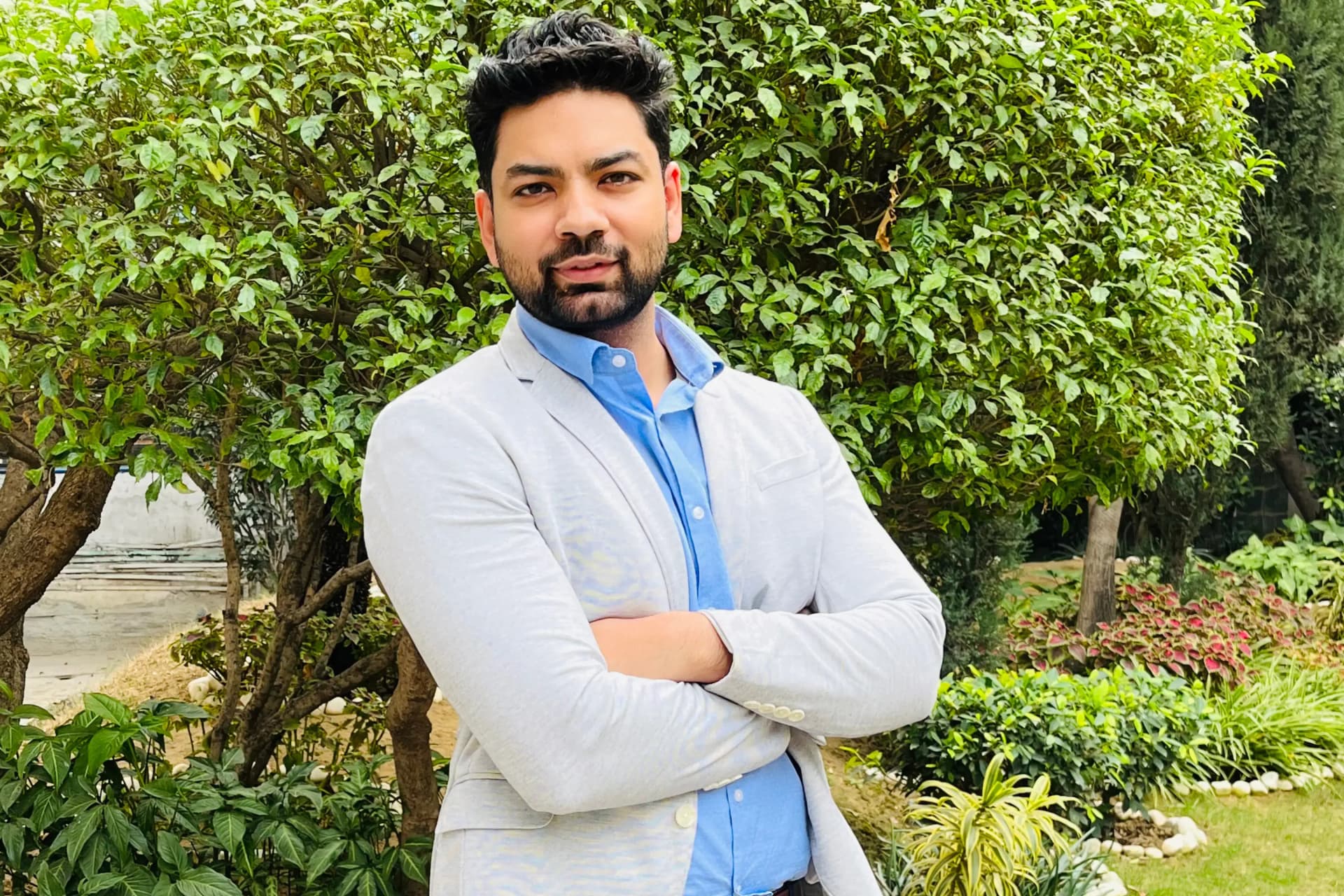
Shrey Bhardwaj is the Director & Founder of PerfectionGeeks Technologies, bringing extensive experience in software development and digital innovation. His expertise spans mobile app development, custom software solutions, UI/UX design, and emerging technologies such as Artificial Intelligence and Blockchain. Known for delivering scalable, secure, and high-performance digital products, Shrey helps startups and enterprises achieve sustainable growth. His strategic leadership and client-centric approach empower businesses to streamline operations, enhance user experience, and maximize long-term ROI through technology-driven solutions.