Published 23 April 2026 | Updated 8 July 2026
Technology
Why Businesses Are Investing in Audio-Visual Programming Solutions in 2026
Clear communication and smooth collaboration have become essential for business success. Companies are no longer relying on basic meeting tools or traditional setups. Instead, they are adopting advanced audio visual programming solutions to improve how teams interact, present ideas, and work together. From boardrooms to training spaces, modern organizations are investing in smart systems that connect people, devices, and information seamlessly. These systems are not just about screens and speakers—they are about creating efficient, engaging, and productive work environments.
Transform Your Digital Experience
Businesses are investing in audio-visual programming solutions in 2026 to improve hybrid collaboration, automate meeting environments, reduce operational complexity, enhance customer engagement, and support scalable digital workplace transformation. These solutions combine hardware and software to create intelligent, connected, and cloud-managed communication ecosystems.
- Advanced audio visual systems for business integrate hardware, software, and automation into a unified communication ecosystem.
- They improve collaboration, productivity, and user experience across organizations.
- Automation eliminates manual setup and reduces technical issues during meetings.
- Proper planning, scalable design, and correct programming are essential for success.
- AI and cloud technologies are shaping the future of AV systems in 2026.
What Are Audio-Visual Programming Solutions?
Audio-visual programming solutions refer to the integration of hardware devices (cameras, microphones, displays) with software-based control systems that manage and automate AV environments.
Instead of manually controlling each device, businesses use programmed AV systems to:
- Automate meeting room setups
- Sync audio and video systems instantly
- Manage multiple rooms from a single dashboard
- Integrate cloud conferencing tools
- Enable remote monitoring and control
In simple terms, audio-visual programming solutions for business turn traditional meeting spaces into smart, automated communication environments.
Transform Your Workplace with Smart AV Systems
Modern businesses are upgrading to advanced audio visual systems for business to enable seamless hybrid collaboration and automation.
Upgrade your communication infrastructure with expert AV programming solutions.
Why Businesses Are Investing in Audio-Visual Programming Solutions in 2026
1. Rise of Hybrid and Remote Work Models
One of the biggest reasons businesses are investing in audio-visual programming solutions for business is the permanent shift toward hybrid work.
Employees now work from offices, homes, and remote locations simultaneously. This requires seamless communication tools that deliver consistent experiences across all environments.
Modern AV programming ensures that:
- Meetings connect instantly across locations
- Audio and video quality remains consistent
- Remote participants feel equally engaged
- Collaboration tools are fully synchronized
Without advanced AV systems, hybrid work becomes fragmented and inefficient.
2. Demand for Smarter and Automated Meeting Rooms
Traditional meeting rooms require manual setup of displays, microphones, lighting, and conferencing tools. This leads to delays and technical issues.
With audio-visual programming solutions, businesses can fully automate meeting environments.
When a meeting starts:
- Cameras adjust automatically
- Audio systems calibrate based on room size
- Displays switch to presentation mode
- Video conferencing connects instantly
This automation saves time and eliminates technical disruptions, making meetings more productive.
3. Centralized Control and IT Efficiency
Enterprises manage multiple offices and meeting rooms, often across different regions. Managing each AV system individually becomes complex and time-consuming.
Modern AV programming allows centralized control through cloud-based dashboards.
IT teams can:
- Monitor all AV rooms remotely
- Detect and fix issues in real time
- Push updates across all devices
- Standardize configurations across locations
This reduces operational workload and improves system reliability at scale.
4. Enhanced Customer and Employee Experience
Businesses are increasingly using audio-visual programming solutions for business to improve engagement experiences.
In corporate environments, employees benefit from smoother communication, fewer technical issues, and better collaboration tools.
In customer-facing industries, AV systems are used for:
- Interactive digital signage
- Smart retail displays
- Immersive brand experiences
- Digital kiosks and presentations
This creates a modern and engaging experience that strengthens brand perception.
5. Cost Efficiency and Long-Term ROI
Although AV programming systems require upfront investment, they significantly reduce long-term operational costs.
Businesses save money by:
- Reducing IT support workload
- Minimizing equipment downtime
- Avoiding manual configuration errors
- Extending hardware lifecycle through smart management
Over time, these efficiencies lead to strong return on investment, making AV programming a strategic financial decision.
6. Integration with Cloud and AI Technologies
In 2026, AV systems are no longer standalone tools—they are part of a larger digital ecosystem.
Modern audio-visual programming solutions for business integrate with:
- Cloud platforms (Zoom, Microsoft Teams, Google Meet)
- AI-based meeting assistants
- IoT devices
- Smart sensors and automation systems
AI-driven features now enable:
- Automatic meeting transcription
- Noise cancellation optimization
- Smart room occupancy detection
- Predictive maintenance alerts
This makes AV systems more intelligent and adaptive than ever before.
7. Scalability for Growing Enterprises
As businesses expand, their communication infrastructure must scale accordingly.
AV programming solutions allow companies to:
- Add new meeting rooms easily
- Expand across global offices
- Standardize systems across locations
- Maintain consistent performance at scale
This scalability makes AV systems a long-term infrastructure investment rather than a temporary tool.
Key Applications of Audio-Visual Programming in Businesses
1. Conference Rooms
Automated systems allow users to start meetings, control lighting, and manage presentations with ease.
2. Training and Learning
Interactive displays and audio systems make training sessions more engaging and effective.
3. Corporate Events
Businesses use AV technology solutions for product launches, webinars, and large-scale events.
4. Digital Signage
Screens placed across offices display announcements, updates, and promotional content.
5. Control Rooms
Advanced AV systems help monitor operations and manage real-time data.
Core Components of Audio-Visual Systems
| Component | Purpose |
| Displays & Screens | Present visuals and presentations |
| Audio Systems | Ensure clear sound and communication |
| Control Systems | Manage multiple devices from one interface |
| Video Conferencing Tools | Enable remote collaboration |
| Networking Infrastructure | Connect all devices seamlessly |
These components are integrated through audio visual system integration to create a smooth and efficient setup.
Benefits of Audio Visual Solutions for Businesses
The benefits of audio visual solutions go beyond just better meetings. They directly impact overall business performance.
- Improved Collaboration Across Teams
Advanced audio visual systems for business enable real-time communication between employees in different locations. High-quality video and audio make hybrid and remote collaboration smooth, ensuring teams stay connected and productive. - Smart Meeting Room Automation
Meetings become more efficient because systems automatically handle setup tasks. Devices power on, configure themselves, and connect to conferencing platforms instantly, eliminating manual intervention and saving time. - Enhanced Training and Learning Environments
Organizations use AV systems for interactive training sessions. Trainers can share presentations, videos, and live demonstrations while participants engage in real time. This improves learning effectiveness and engagement. - Customer Engagement and Digital Experiences
Businesses use AV systems for digital signage, interactive kiosks, and immersive presentations. These tools help brands attract attention, communicate messages effectively, and enhance customer experience. - Industry-Wide Applications
These systems are widely used in corporate offices, education, healthcare, retail, hospitality, and government sectors for communication, monitoring, and large-scale presentations.
Role of AV System Integration Services
Implementing AV solutions requires expertise. This is where AV system integration services play a key role. These services ensure that all devices and technologies work together seamlessly. From installation to configuration, professionals handle every aspect of the setup. With proper audio visual system integration, businesses can avoid technical issues and ensure smooth performance across all systems.
How AV Programming Services Add Value
Professional AV programming services customize systems based on business needs. Instead of using generic setups, companies get tailored solutions that match their workflow.
Key Advantages:
- Custom control interfaces
- Automation of repetitive tasks
- Integration with existing tools
- Improved system reliability
These services make AV solutions for offices more efficient and user-friendly.
Challenges in Adopting Audio-Visual Programming Solutions
While the benefits are significant, businesses may face some challenges during implementation.
High Initial Investment
Challenge: Advanced AV systems often require significant upfront costs, which can be a barrier for businesses.
Solution: Focus on long-term ROI by choosing scalable solutions that reduce operational expenses over time and deliver lasting value.
Integration Complexity
Challenge: Connecting multiple AV devices and ensuring compatibility across platforms can be difficult.
Solution: Partner with experienced AV system integration providers who can design seamless setups and reduce technical hurdles.
Maintenance Requirements
Challenge: AV systems need regular updates, monitoring, and technical support to remain efficient.
Solution: Opt for ongoing service packages and proactive maintenance to ensure smooth performance and minimize downtime.
User Adoption
Challenge: Employees may struggle to adapt to new AV technologies, slowing down productivity.
Solution: Provide structured training sessions and design simple, intuitive interfaces to make adoption easier and faster.
Rapid Technology Changes
Challenge: AV technology evolves quickly, making systems outdated in a short span.
Solution: Invest in flexible, upgradeable solutions that can adapt to new innovations without requiring complete replacements.
How Advanced Audio Visual Systems For Business Works
- Integration of Hardware and Software Systems
Advanced audio visual systems for business work by combining physical devices like cameras, microphones, speakers, and displays with intelligent software platforms. These components are connected through a centralized system that allows them to function as one unified communication environment instead of separate tools. - Automated Device Synchronization
When a meeting or presentation starts, the system automatically synchronizes all connected devices. Cameras adjust focus and angle, microphones calibrate sound levels, and displays switch to the correct input source without manual setup. This automation reduces technical delays and improves meeting efficiency. - Role of AV Programming Logic
AV programming defines how all devices behave and interact. It uses predefined rules and scripts so that specific actions trigger automatic responses. For example, entering a conference room may automatically turn on displays, adjust lighting, and connect to a video conferencing platform. - Cloud-Based Management Systems
Modern AV systems are controlled through cloud dashboards. IT teams can monitor multiple rooms, locations, and devices remotely. This allows centralized control, faster troubleshooting, and consistent performance across enterprise environments.
Step-by-Step Guide
- Requirement Analysis and Planning
The first step is understanding business needs such as video conferencing, digital signage, or hybrid collaboration. This helps define the scale and complexity of the AV system required. - System Design and Architecture Development
In this stage, engineers design the AV ecosystem by selecting appropriate hardware and software components. Scalability, network requirements, and future expansion are also considered. - AV Programming and System Integration
This is where automation logic is created. Devices are programmed to work together seamlessly, ensuring that user actions trigger automatic system responses like adjusting audio, switching screens, or launching meetings. - Installation and Configuration
All hardware devices are physically installed and connected to the network. Each component is configured and calibrated to ensure optimal performance and compatibility. - Testing and Optimization
Before final deployment, the entire system is tested under real conditions. Engineers check audio clarity, video synchronization, latency, and automation accuracy to ensure smooth performance.
Common Mistakes to Avoid
- Ignoring Future Scalability Needs
Many businesses design systems only for current requirements. This becomes a problem when the organization grows, requiring expensive upgrades or replacements later. - Weak Network Infrastructure
AV systems depend heavily on stable networks. Poor bandwidth or unstable connections lead to lag, poor audio quality, and system failures during meetings. - Improper AV Programming Setup
If automation logic is not correctly configured, devices may not synchronize properly. This can cause disruptions such as cameras not activating or audio delays. - Lack of Employee Training
Even advanced systems fail if users do not understand how to operate them. Proper training ensures employees can use AV tools effectively. - No Regular Maintenance Plan
Without ongoing maintenance, system performance gradually declines. Regular updates and monitoring are necessary for long-term reliability.
Expert Tips for 2026
- Adopt Cloud-Based AV Management
Cloud platforms allow businesses to manage multiple AV systems remotely, reducing operational effort and improving efficiency. - Use AI-Powered Features
Modern AV systems now include AI tools such as automatic camera tracking, noise reduction, and meeting transcription for smarter communication. - Focus on System Interoperability
Businesses should choose AV solutions that integrate with multiple platforms like Zoom, Microsoft Teams, and Google Meet for flexibility. - Strengthen Cybersecurity Measures
As AV systems become connected, protecting them from cyber threats is essential. Secure networks and encrypted communication must be prioritized. - Invest in Future-Ready Infrastructure
Choosing scalable and upgradeable systems ensures long-term value without complete replacements in the future.
Future Trends in Audio-Visual Programming
Businesses are not just investing in current solutions—they are preparing for the future.
AI-Powered AV Systems
Artificial intelligence will automate controls like lighting, sound, and video adjustments. This reduces manual effort, improves efficiency, and ensures seamless experiences during meetings or events.
Cloud-Based AV Solutions
AV systems will increasingly move to the cloud, allowing remote management and easy scalability. Businesses can update, monitor, and control systems from anywhere, reducing infrastructure costs.
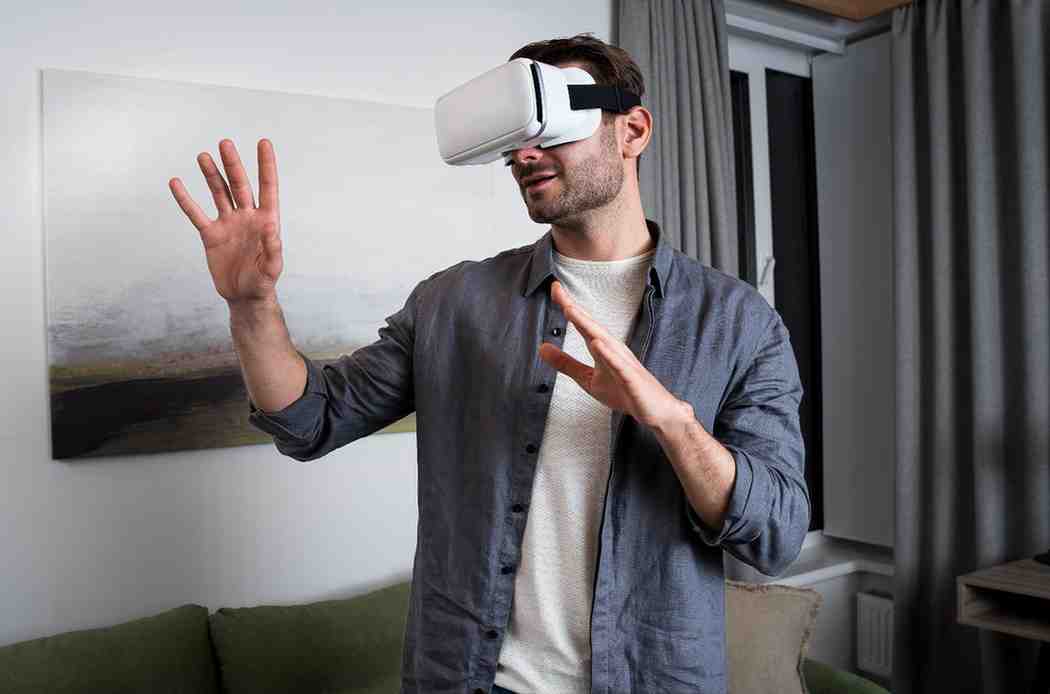
Immersive Experiences (AR & VR)
Technologies such as augmented reality and virtual reality will transform presentations, training, and events. These immersive tools create engaging environments that improve learning and audience interaction.
Smart Offices with IoT Integration
AV systems will connect with IoT devices like smart lighting, sensors, and automated scheduling tools. This creates fully integrated workplaces that enhance productivity and collaboration.
These trends will further increase the demand for audio visual programming solutions in the coming years.
Frequently Asked Questions
Quick answers related to this article from PerfectionGeeks.
1. How do advanced audio visual systems for business work?
2. What are the main components of AV systems?
3. What are the benefits of audio visual solutions for business?
4. How does PerfectionGeeks help in AV technology solutions?
5. Where are AV systems used?
Conclusion
Businesses are investing in audio visual programming solutions to improve communication, enhance productivity, and create modern work environments. From meeting rooms to large-scale events, these systems play a crucial role in daily operations. With the right combination of AV programming services, audio visual solutions for business, and AV system integration services, companies can build efficient and future-ready workplaces. The ability to connect teams, simplify processes, and deliver high-quality experiences makes AV solutions a valuable investment for any organization.

Shrey Bhardwaj is the Director & Founder of PerfectionGeeks Technologies, bringing extensive experience in software development and digital innovation. His expertise spans mobile app development, custom software solutions, UI/UX design, and emerging technologies such as Artificial Intelligence and Blockchain. Known for delivering scalable, secure, and high-performance digital products, Shrey helps startups and enterprises achieve sustainable growth. His strategic leadership and client-centric approach empower businesses to streamline operations, enhance user experience, and maximize long-term ROI through technology-driven solutions.

.webp)